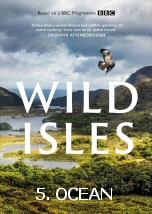
Sir David Attenborough explores the surprisingly vibrant seas that surround the British Isles. The vast watery wilderness around us is over three times the size of our land mass, and yet to many, our oceans remain a mystery. Full of colour and teeming with life, the seas of Britain and Ireland are crucially important to a range of wildlife. This episode goes beneath the waves to uncover the thriving habitats that exist along our 22,000-mile coastline. In winter, clear evidence of the ocean’s abundance can be seen on a beach in Norfolk. Thousands of grey seals congregate on the shoreline to give birth. Britain and Ireland are home to 40 per cent of the world’s grey seals, and the number being born on our shore rises every year. Once the newly born pups are weaned, the females are ready to breed again, and heavyweight males enter violent, bloody fights to win a stretch of beach, and the females along with it. Beyond the beach, the vibrant shallows contain several important habitats. Rich beds of seagrass are nurseries for a range of animals, while also acting as very important carbon storage areas. They are also home to one of the strangest fish in our waters, the seahorse. We follow a male and female as they perform a balletic mating dance in the water, delicately entwining their tails. The stakes are high, as these animals mate for life. In a touching piece to camera, Sir David bids a fledging Manx shearwater chick farewell as it embarks on a 6,000-mile journey across the oceans to South America. There is no better example of how important the British Isles and its abundant seas are to the survival of wildlife worldwide.
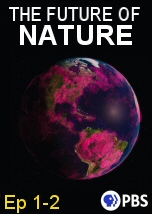
This visionary documentary series asks a bold and urgent question: how can the power of nature itself help repair the damage we have done to the planet and even reverse climate change? Drawing on cutting-edge science and filmed across some of Earth’s most vital ecosystems, the series reveals nature not as a victim, but as one of our strongest allies. It offers a hopeful glimpse into a future where working with natural systems could restore balance, resilience, and abundance on a global scale. In the first two episodes, the focus turns to oceans and grasslands, two of the planet’s most powerful yet underestimated climate regulators. Viewers discover how marine life plays a crucial role in removing carbon from the atmosphere, and how vast grasslands, sustained by thriving animal populations, lock away carbon beneath the surface. Through new research and striking imagery, the episodes show why protecting and restoring these ecosystems is essential to our future—and how human action can help them recover.













In winter, clear evidence of the ocean’s abundance can be seen on a beach in Norfolk. Thousands of grey seals congregate on the shoreline to give birth. Britain and Ireland are home to 40 per cent of the world’s grey seals, and the number being born on our shore rises every year. Once the newly born pups are weaned, the females are ready to breed again, and heavyweight males enter violent, bloody fights to win a stretch of beach, and the females along with it.
Beyond the beach, the vibrant shallows contain several important habitats. Rich beds of seagrass are nurseries for a range of animals, while also acting as very important carbon storage areas. They are also home to one of the strangest fish in our waters, the seahorse. We follow a male and female as they perform a balletic mating dance in the water, delicately entwining their tails. The stakes are high, as these animals mate for life.
In a touching piece to camera, Sir David bids a fledging Manx shearwater chick farewell as it embarks on a 6,000-mile journey across the oceans to South America. There is no better example of how important the British Isles and its abundant seas are to the survival of wildlife worldwide.