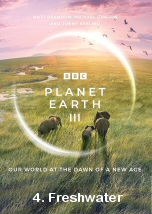
Covering one tenth of all species on the planet, Freshwater is a rich, diverse habitat filled with never-ending surprises. The fourth episode is set beneath the Yucatan Peninsula and spanning diverse locations like the rainforests of Costa Rica and the Kalahari Desert and presents a vivid exploration of how freshwater shapes life on Earth. The narrative journeys through the unique breeding rituals of gliding tree frogs in Costa Rica, the strategic hunting methods of mugger crocodiles in Sri Lanka, and the astonishing adaptations of wildlife in the Okavango Delta. It highlights the critical role of freshwater in supporting diverse ecosystems, from the teeming fish species in Lake Malawi to the perilous journey of gobies in Bioko. The episode also addresses human impact, showcasing the extensive irrigation system in Pakistan and its unintended consequences on local wildlife, like the endangered Indus river dolphin. This captivating chapter not only showcases nature's marvels but also underscores the delicate balance between human needs and wildlife conservation.
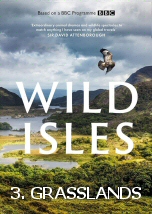
David Attenborough explores Britain and Ireland’s grasslands, revealing the creatures that create them and the extraordinary stories they hide. From the coastal flower meadows in the Scottish Outer Hebrides to the rich open landscapes in the mountains of southern Ireland, we enter surprising and dramatic worlds. In southern England, we meet an extraordinary bee that lives in chalk grassland, one of our rarest habitats, laying her eggs in empty snail shells. Meanwhile, in the colourful machair of the Hebrides, ringed plovers and lapwings strive to rear their families of tiny fluffy chicks and to save them for marauding gulls. We travel back in time to explore the vast wild grasslands once found throughout our isles, before meeting herds of semi-wild horses, where males battle fiercely for the females. Today, they are helping to turn some of this land back to wilderness. And in our precious remaining pockets of flower-rich meadow, a remarkable conservation success story plays out. Once extinct in our isles, England now has the largest known populations of large blue butterflies. Their survival relies on a game of deception with red ants, which are tricked into adopting the butterfly’s unassuming but predatory caterpillars. Our story then journeys to the mountains. Each morning in early spring, feisty male black grouse battle for prime position on their frozen breeding grounds. Their sole mission is to impress a female. Meanwhile, on south-facing scree slopes, dozens of adders emerge from hibernation to perform a surprisingly delicate courtship routine. The episode concludes with a mighty battle in the wild mountains of County Kerry. This is the scene of an epic and spectacular rut between the largest land mammals in Britain and Ireland, red deer. The grasslands of Britain and Ireland are under threat. We have lost 97 per cent of our species-rich meadows in the last century, as modern agriculture replaces these precious habitats. This episode shows just how important different types of grassland are to the species which call these islands home.
In the seventh and final episode, viewers are taken on a journey across Asia's diverse landscapes, from the vast Gobi Desert to the lush jungles of Borneo. The episode highlights the unique wildlife inhabiting these regions, such as the elusive snow leopard in Central Asia and the endangered Irrawaddy dolphin in the Mekong River. Through stunning visuals and compelling narratives, the documentary showcases the pressing conservation efforts aimed at protecting these species and their habitats.









The episode also addresses human impact, showcasing the extensive irrigation system in Pakistan and its unintended consequences on local wildlife, like the endangered Indus river dolphin. This captivating chapter not only showcases nature's marvels but also underscores the delicate balance between human needs and wildlife conservation.