France, 17th Century. For more than three decades, a mysterious prisoner was moved from fortress to fortress under extraordinary secrecy, his identity concealed behind a mask and known only to a handful of powerful men. Ordered into confinement by the minister of Louis XIV in 1669, he would remain locked away until his death in 1703 — alive, but erased. Why was he hidden so carefully? What secret was so dangerous that it demanded absolute silence? Drawing on archival research, expert analysis, and the turbulent politics of the Sun King’s reign, this gripping historical investigation revisits one of France’s greatest unsolved enigmas. From theories of royal bloodlines and forbidden romances to diplomatic conspiracies and mistaken identities, the film explores the many faces behind the mask and the fragile power structures of absolutist France. A tale of intrigue, paranoia, and state secrecy that continues to fascinate more than 350 years later.
In 2003, a group of young artists quietly carried out an audacious experiment: they built and furnished a hidden apartment inside a bustling shopping mall, slipping in and out unnoticed for years. What began as a daring act of urban mischief soon evolved into something far more profound. As they secretly documented their lives behind the walls of consumerism, the space transformed into a refuge — a place of friendship, creativity, and resistance against the relentless pulse of commercial culture. Blending humor, tension, and unexpected emotion, this remarkable true story explores how a simple hidden room became a powerful statement about community, art, and belonging. Through rare footage and firsthand accounts, the film reveals the risks they took, the bonds they forged, and the quiet rebellion that turned an ordinary mall into an extraordinary sanctuary.
In the final two episodes, the experiment moves from theory to real life as the twins are forced to take full control of their food choices after moving out on their own. Cooking becomes a daily challenge, exposing how habits, convenience, and culture shape what we eat. At the same time, innovators pushing plant-based alternatives step into the spotlight, as growing concerns around animal products raise urgent questions about health and sustainability. As the study reaches its conclusion, the results are finally revealed. Detailed analyses of weight, gut health, and brain function confront the twins with clear, and sometimes surprising, consequences of their diets. What began as a personal test widens into a broader reflection on the future of food, as momentum builds around a changing food industry and the choices that may redefine how we eat.
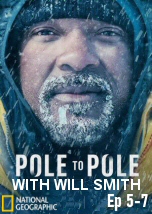
In the final three episodes, the journey deepens into a powerful exploration of culture, survival, and science at the planet’s edges. On a remote Pacific island threatened by rising seas, Will Smith joins Dr. Walworth and John Aini to document a dying language spoken by only five people, turning marine research into an intimate race against time to preserve human memory. The mission reveals how climate change erodes not just coastlines, but identities. The adventure then shifts to extremes of land and ice. In the Kalahari Desert, Will learns survival from the San people, confronting the limits of his endurance during a traditional hunt with guide Kane Motswana. The odyssey culminates beneath the ice of the North Pole, where, alongside polar ecologist Allison Fong, a daring dive to collect critical samples is jeopardized by a sudden storm and equipment failure. What follows is a gripping test of courage and teamwork that redefines heroism at the end of a 100-day quest.
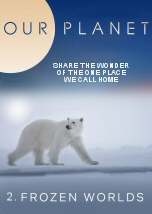
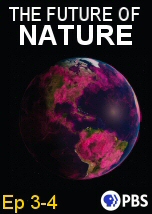
In the final two episodes, the focus shifts to forests and humanity’s defining role in the planet’s future. Ancient woodlands emerge as powerful engines of climate balance, storing vast amounts of carbon while sustaining intricate webs of life. Through striking visuals and frontline science, the documentary reveals how the health of the world’s forests is inseparable from the stability of Earth’s climate—and how their decline accelerates global risk. The story then turns inward, asking what responsibility humans bear in shaping what comes next. From indigenous stewardship to bold restoration projects, these episodes explore how human choices can either deepen the crisis or unlock nature’s capacity to heal. It’s a compelling conclusion that reframes our relationship with the natural world, showing that the future of nature is, ultimately, the future of humanity itself.
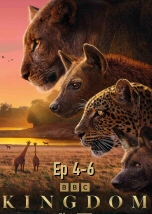
In the final three episodes, life in this Zambian stronghold reaches a decisive turning point as survival becomes more fragile than ever. An injured wild dog named Flint defies the odds by helping care for Storm’s largest litter of pups, while leopard Mutima continues her perilous search for a territory to call home. At the same time, the lions face pressures beyond their control, forcing shifts in dominance as age, injury, and the land itself begin to reshape the balance of power. The closing chapter deepens the drama and the emotion. Leopard Olimba struggles with the weight of old age, the wild dogs’ story takes an unexpected turn, and both lions and hyenas experience a baby boom that raises a final question: who truly rules this kingdom now? The series concludes by revealing the unseen human effort behind the scenes, introducing the filmmakers, conservationists, and anti-poaching teams whose extraordinary work protects South Luangwa and the fragile lives that depend on it.












Drawing on archival research, expert analysis, and the turbulent politics of the Sun King’s reign, this gripping historical investigation revisits one of France’s greatest unsolved enigmas. From theories of royal bloodlines and forbidden romances to diplomatic conspiracies and mistaken identities, the film explores the many faces behind the mask and the fragile power structures of absolutist France. A tale of intrigue, paranoia, and state secrecy that continues to fascinate more than 350 years later.