Ferdinand Magellan and Juan Sebastian Elcano set sail to gain control of the global spice trade, but end up becoming the first expedition to circumnavigate the earth. The yearslong voyage—along with the suffering, the violence and the loss of life and property—were all in pursuit of a shorter route to the so-called Spice Islands (now the Maluku Islands) and their much-coveted aromatics. The film puts in perspective the 16th century—the Age of Exploration, the Age of Discovery and the Age, problematically, of Colonialism. It also was an age of heroes. As the documentary insists, the journeys undertaken by the men whose names we learned in grade school and whose exploits straddled the 1400s and 1500s—including Ponce de Leon, Vasco da Gama, Lope de Aguirre and even Columbus—were about money, sometimes trade, sometimes plunder. But just as advances in medicine have often been propelled by war, knowledge about the world has been a byproduct of profit-seeking. Likewise, heroism.
The film challenges many of the commonly held assumptions about our water systems and how people think about water. Its goal is to bust the global sense of impending doom by painting an alternative, optimistic water future and mapping out the ways to get there. The filmmakers believe that even one person with enough knowledge can make a difference and inspire a movement. The film tries to provide that knowledge and to envision a day when everybody has access to clean water and sanitation and in our lifetime. Narrated by Liam Neeson, featuring Matt Damon and Jaden Smith, 'Brave Blue World' paints an optimistic picture of how humanity is adopting new technologies and innovations to re-think how water is managed.
Using cutting-edge research, a dedicated team of archaeologists has compiled the evidence to fill in a 400-year gap in man's knowledge of the bluestones of Stonehenge. By combining innovative 3D scanning techniques, traditional field archaeology and novel laboratory analysis, the team has discovered where the stones were quarried and where they first stood. Professor Alice Roberts shows how the team made its discoveries and joins Professor Mike Parker Pearson to piece together the final parts of the puzzle, solving one of the toughest challenges ever faced by archaeologists.
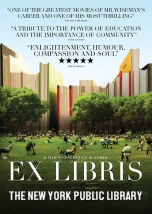
The film takes viewers behind the scenes of one of the world’s greatest institutions of learning. The film examines how this legendary establishment has continued to go about its regular activities while adapting to the digital revolution. 'Ex Libris: The New York Public Library' explains how libraries inform and educate in many ways: books, concerts, conferences, classes and much more. This library strives to inspire the study of advanced knowledge and to strengthen the community.
Medical journalist Michael Mosley teams up with scientists whose latest research is turning common knowledge about fitness on its head. They reveal why 10,000 steps is just a marketing ploy and that two minutes of exercise is all a person needs each week. They discover how to get people to stick to their fitness plans and what exercise can actually make everyone more intelligent. Whether it is for couch potatoes who hate the thought of exercise, someone too busy to consider the gym, or even for fitness fanatics who are desperate to do more - science can help everyone exercise better. By the end of January many people struggle to keep up their resolutions to be more active. The result is that people wastes millions on unused gym memberships. But new science has the answers.
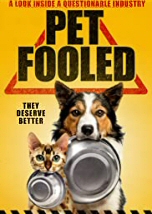
The film investigates the inner workings inside the commercial pet food industry, which has went largely unchallenged until now and Pet Fooled is made with an aim to expose its secrets and lack of transparency. Marketed toward humans, but made for consumers who can’t speak, pet food companies have learned how to navigate through verbiage and loopholes. The end result is a product that’s cheap and easy for them to make, while buyers are promised that they’re giving 'quality,' 'healthy,' and 'nutritious' food to their pets. Some veterinary professionals in the film link modern ailments found in pets, such as obesity and allergies, to diet. Insights and knowledge are shared by multiple interviewees, including Dr. Karen Becker of Mercola Healthy Pets, Dr. Barbara Royal, founder of The Royal Treatment Veterinary Center and Oprah Winfrey’s veterinarian, Susan Thixton, founder of Truthaboutpetfood.com.

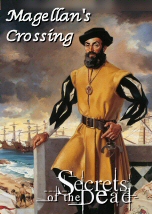



The film puts in perspective the 16th century—the Age of Exploration, the Age of Discovery and the Age, problematically, of Colonialism. It also was an age of heroes. As the documentary insists, the journeys undertaken by the men whose names we learned in grade school and whose exploits straddled the 1400s and 1500s—including Ponce de Leon, Vasco da Gama, Lope de Aguirre and even Columbus—were about money, sometimes trade, sometimes plunder. But just as advances in medicine have often been propelled by war, knowledge about the world has been a byproduct of profit-seeking. Likewise, heroism.