The series, depicted by state of the art CGI techniques, and applying the laws of life on Earth to the rest of the galaxy, blends fact with science fiction and conceptualizes what alien life might be like on other planets. In the prologue, astronomer Didier Queloz makes an appearance to discuss the discoveries of exoplanets and how they are analyzed in the real world. In Episode 1, the fictional world imagined is Atlas, a world with higher gravity than Earth and a thicker atmosphere leading to airborne creatures. In explaining the aliens of Atlas, the episode also explores the handicap principle in insects, and shows a rehabilitative form of falconry as captive falcons are trained to live in the wild.
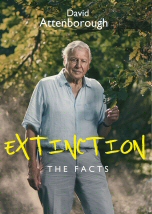
With a million species at risk of extinction, Sir David Attenborough explores how this crisis of biodiversity has consequences for us all, threatening food and water security, undermining our ability to control our climate and even putting us at greater risk of pandemic diseases. Everything in the natural world is connected in networks that support the whole of life on earth, and we are losing many of the benefits that nature provides to us. The loss of insects is threatening the pollination of crops, while the loss of biodiversity in the soil also threatens plants growth. Last year, a UN report identified the key drivers of biodiversity loss, including overfishing, climate change and pollution. But the single biggest driver of biodiversity loss is the destruction of natural habitats. Seventy-five per cent of Earth's land surface (where not covered by ice) has been changed by humans, much of it for agriculture, and as consumers we may unwittingly be contributing towards the loss of species through what we buy in the supermarket. Human activities like the trade in animals and the destruction of habitats drive the emergence of diseases. Disease ecologists believe that if we continue on this pathway, this year’s pandemic will not be a one-off event.
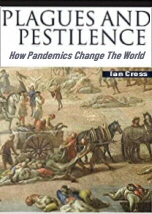
COVID-19 is far from the first pandemic to wreak havoc in the world. A long line of infectious diseases have devastated and in some cases destroyed entire societies. Almost all of them started in animals and made the jump to humans. The Black Death spread across Europe and Asia in the 14th century leaving millions dead in its wake. Between the 15th and 18th centuries, European colonists brought smallpox to the Americas, the Pacific region and to Australia. In Europe, the 17th century saw a series of major epidemics. And at the end of the First World War, more people died of the Spanish flu than on the battlefield. This documentary examines the causes of these epidemics - whether it be lack of hygiene, interaction with animals, overcrowding, or the growth of cities - and how people travelling helped to spread disease and promote pandemics. It also sheds a light on the impact these infectious diseases have had on politics and societal change. Over the centuries, scientists managed to develop treatments and medicines to help control or even eradicate infectious diseases. Virologists are facing that task again with the coronavirus, as the world frantically searches for ways to overcome a pandemic which threatens our modern way of life.
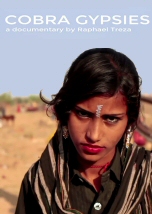
Cobra Gypsies offers a contemporary and colorful window to the amazing ancient culture of the nomadic Kalbeliya tribe, living in rural Rajasthan, Northern India. Their name means 'those who love snakes'. The film explores their culture of eternal dance, syncopated music, snake charming, colorful fashion and the nomadic way of life of these exotic looking castoffs, ancestors to the modern Roma Gypsies living in Europe today.
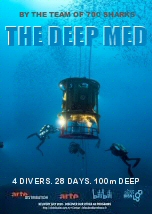
Laurent Ballesta has yet again challenged himself to a new world record: spend 28 days at a depth of 100 meters to reveal the luxuriant and unknown depths of the Mediterranean. Because people have been travelling there for thousands of years, this sea is believed to be without secrets. And yet, far below its surface, lie vast unexplored territories, luxurious gardens worthy of the finest tropical coral reefs. These natural wonders are inaccessible to the traditional diver, in a twilight zone, between 60 and 120 m, where there’s less than 1% of sunlight. If diving at such depths is always a challenge, staying there is a fantasy, a utopia that becomes reality in 'The Deep Med'.
Rainforests face more threats than ever before, but remain the last stronghold for some truly astonishing animal families. Today we know rainforests are some of the most wondrous and important habitats on Earth. It is the richest habitat on earth, teeming with millions of dramatic plants and animals. From giant landscape gardeners to a whole family supported by a single leaf, there are surprises at every turn.


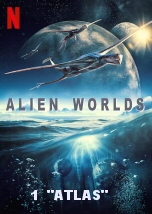





In the prologue, astronomer Didier Queloz makes an appearance to discuss the discoveries of exoplanets and how they are analyzed in the real world. In Episode 1, the fictional world imagined is Atlas, a world with higher gravity than Earth and a thicker atmosphere leading to airborne creatures. In explaining the aliens of Atlas, the episode also explores the handicap principle in insects, and shows a rehabilitative form of falconry as captive falcons are trained to live in the wild.