Will explore the strategy, deception and feats of engineering plants use to thrive in the changing weather of different seasons. In the face of conditions ranging from ice and snow to raging fires, survival is often a question of perfect timing - particularly when contending with intense competition and surprising predators. In this episode, David Attenborough travels to Finland to show one of the most extreme examples of seasonal plant life in the Arctic Circle. He also travels to California to see how climate change is affecting giant sequoias. These ancient trees like all other seasonal plants depend on the predictability of the seasons and our current changing climate threatens their survival.
Plants that have developed to thrive in the desert, including cacti that grow in the shade of other trees and collect water in pleated trunks that expand and contract - but can also find themselves a host to other plants, like desert mistletoe. This programme also reveals how tobacco plants being eaten by caterpillars are able to summon the creatures' natural predators, and how tumbleweeds roll across the landscape, only unfurling and growing when they encounter rain.
The meteoric rise of renewable energy has consequences for our electricity supply. While coal and gas fired power stations can generate electricity whenever you need it, renewables are intermittent by nature. So we need a backup plan for when the wind stops or the sun goes down. All over the world, engineers and scientists are racing to solve one key problem; how to safely and efficiently store electricity at a huge scale but at a low cost. The quest is producing some truly remarkable ideas and this episode details three of them.
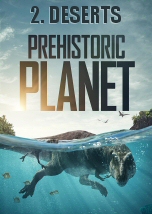
In the second episode, Dreadnoughtus males compete for the right to mate. Lizards are hunted by Velociraptor among a group of sleeping Tarbosaurus. A Mononykus forages for termites and investigates new food options after a brief rainstorm. Several types of dinosaurs congregate around a watering hole in Mongolia. Above the deserts of North Africa, aerial combat ensues as male Barbaridactylus pterosaurs fight for the attention of females below. A herd of Secernosaurus brave the harsh gypsum dunes in search of nourishment.
In this mind-bending series, Professor Jim Al-Khalili explores the vast range of size in the universe, from tiny atoms to gigantic, interconnected galaxies. In the first episode, Jim will enter the world of objects that are too tiny to glimpse with the naked eye. Starting with the smallest insects, he moves on to encounter living cells with amazing superpowers and confronts some of humanity's deadliest enemies in the form of viruses. Going smaller still, he encounters wondrous new nanomaterials such as graphene, discovered by physicist Andre Geim. These are revolutionising engineering, medicine, computing, electronics and environmental science. Finally, Jim comes face to face with the fundamental building blocks of the world around us – atoms – and reveals why understanding the science of the 'small' is crucial to the future of humanity.
In 2011, a Social Security lawyer named Eric C. Conn and a judge named David Daugherty were investigated for committing massive fraud over many years. Conn figured out that he would get paid a hefty retainer for every Social Security disability payment he managed to get approved, so he and Daugherty (who need quick cash to pay for his daughter’s upcoming narcotics trial – which presumably meant bribing an awful lot of people) came to an arrangement. In the second episode, Investigators starts to collect evidence against Eric and Judge Daugherty. The whistle-blowers are pressured.




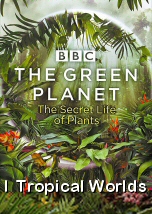













In this episode, David Attenborough travels to Finland to show one of the most extreme examples of seasonal plant life in the Arctic Circle. He also travels to California to see how climate change is affecting giant sequoias. These ancient trees like all other seasonal plants depend on the predictability of the seasons and our current changing climate threatens their survival.