The film is focused on and celebrating the radical changes in postwar Britain under the Labour government of Clement Attlee, which came to power in 1945. Relying primarily on archive footage and interviews, and without a narrative voiceover, the documentary recounts the endemic poverty in prewar Britain, the sense of optimism that followed victory in World War II and the subsequent expansion of the welfare state, founding of the National Health Service and nationalisation of significant parts of the UK's economy. The film documents the extent to which these achievements, as the filmmaker Ken Loach sees them, have since been subject to attack in the decades that followed, particularly under the Conservative governments of Margaret Thatcher in the 1980s
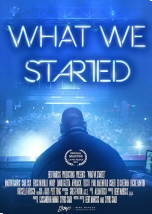
Aims to establish itself as the defining film of the electronic music genre. Through an artfully crafted narrative and stunning visual techniques, the film delves into the highly popular world of electronic dance music, providing backdoor access to a widely misunderstood, self-driven and well-insulated industry on its way to global domination. The narrative leads with the legacy of Carl Cox and following with newcomer, Martin Garrix, as the film explores the parallels between Cox's undeniable influence and hand in the evolution of dance music and Garrix's formation of mainstream genres and global fame.
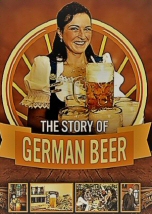
Beer, as popular today as ever. Beer, an ever present in changing times. German beer, protected for 500 years, it's a mark of quality and an export success the world over. This documentary looks at the history of beer starting with the Sumerians, who invented it 5.000 years ago, to the Middle Ages and to the new trend of the future: craft beer. Prost!
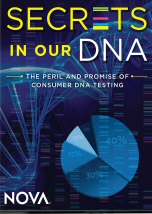
Some 30 million Americans have sent their DNA to be analysed by companies like 23andMe and AncestryDNA. But what happens once the sample is in the hands of testing companies, and how accurate are their results? The film explores the power of genetic data to reveal family connections, ancestry, and health risks—and even solve criminal cold cases.
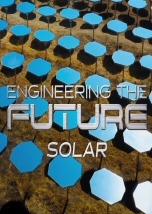
We face one of the greatest challenges in the history of humanity, to eliminate the fuels that have driven progress and technology for over a century, while our thirst for energy only grows. The sun is the biggest source of energy in the solar system. It's like a nuclear reactor in the sky, and it provides endless power. If we can harvest just fractions of this, it can power all our consumption. Innovators are searching for new ways to capture more of the sun’s power, and make it available through the night, everywhere.
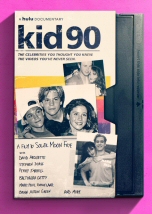
As a teenager in the 90s, Soleil Moon Frye carried a video camera everywhere she went documenting her group of friends as they grew up in Hollywood and New York City. Frye spent four years going through footage she had shot and used hundreds of hours of films to build an intimate look at young Hollywood starlets growing up in the 1990s. David Arquette, Balthazar Getty, Brian Austin Green, Stephen Dorff, Mark-Paul Gosselaar, Danny Boy O'Connor, Heather McComb appear in the film, while Harold Hunter, Justin Pierce, Jenny Lewis, Sara Gilbert, Charlie Sheen, Leonardo DiCaprio, Mark Wahlberg, Corey Feldman, Michael Rapaport, and Jonathan Brandis appear in the film through footage shot by Frye.









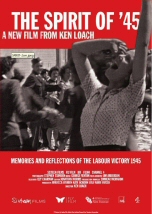


The film documents the extent to which these achievements, as the filmmaker Ken Loach sees them, have since been subject to attack in the decades that followed, particularly under the Conservative governments of Margaret Thatcher in the 1980s