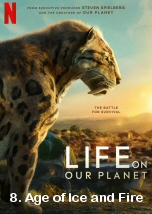
The final episode begins with a description of the extreme cold conditions that characterized the beginning of the Holocene period, and how species like the bison and the wolf adapted to survive in these hostile environments. We will witness the majesty of the woolly mammoth and the fierce cave lion, with a vivid reconstruction of their struggles for survival. We'll see the impact of climate change during this period, from the expansion of the deserts to the transformation of the tropical rainforests of Africa into grasslands, deeply affecting primates and other animals. It highlights how these changes forced primates to adapt to life on the ground, facing new challenges and predators. A crucial turn occurred with the emergence of humans as dominant predators and their influence on the extinction of large mammals. The documentary describes humanity's transition from hunter-gatherers to farmers, a change that radically altered the landscape and biodiversity of the planet. Finally, it poses a reflection on the current challenges of climate change and the sixth mass extinction, inviting viewers to consider humanity's crucial role in shaping the future of the Earth.
The last installment of the series features a revealing first-person account that delves into the complexities of Gotti's mentorship and the stark realities of gang life. From a determined youth facing rejection from his father to his bold declaration to work for Gotti, witness the tumultuous ascent of Sammy ‘The Bull’ Gravano within the criminal underworld. The narrative captures a pivotal confrontation, where Gotti chillingly outlines the dark path ahead, juxtaposed against the awe-inspiring backdrop of the Justice Department in Washington D.C., a symbol of the relentless pursuit that future gangsters will inevitably face. This episode doesn’t just recount events; it places you at the heart of an ongoing battle against organized crime, providing an intimate look at Gotti’s life, from his rise to power to his ultimate indictment and the intense legal battles that followed. Dive into a gripping exploration of loyalty, power, and the consequences of a life in the mafia.
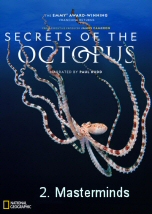
The second episode dives deeper into the enigmatic world of octopuses, uncovering the extraordinary intelligence of these cephalopods. From their ability to change color and shape in an instant to their sophisticated use of tools, this documentary reveals how octopuses navigate and survive in the ocean's most challenging environments. The documentary explores the profound cognitive abilities of octopuses, highlighting their potential for future planning, problem-solving, and even dreaming. Witness the coconut octopus's ingenious stilt-walking and shell-wielding tactics, and marvel at the giant Pacific octopus's intricate hunting strategies. Through stunning underwater footage and insights from leading scientists like Dr. Alex Schnell and Dr. C.E. O'Brien, viewers are invited to rethink what they know about intelligence in the animal kingdom. This captivating film showcases the remarkable adaptability and creativity of octopuses, making it a must-watch for anyone fascinated by the mysteries of the ocean.
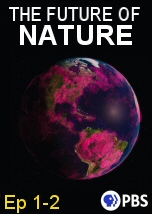
This visionary documentary series asks a bold and urgent question: how can the power of nature itself help repair the damage we have done to the planet and even reverse climate change? Drawing on cutting-edge science and filmed across some of Earth’s most vital ecosystems, the series reveals nature not as a victim, but as one of our strongest allies. It offers a hopeful glimpse into a future where working with natural systems could restore balance, resilience, and abundance on a global scale. In the first two episodes, the focus turns to oceans and grasslands, two of the planet’s most powerful yet underestimated climate regulators. Viewers discover how marine life plays a crucial role in removing carbon from the atmosphere, and how vast grasslands, sustained by thriving animal populations, lock away carbon beneath the surface. Through new research and striking imagery, the episodes show why protecting and restoring these ecosystems is essential to our future—and how human action can help them recover.
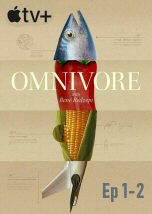
Across cultures and continents, this documentary explores how food has shaped civilizations, beliefs, and human identity throughout history. Narrated with a global perspective, it reveals how essential ingredients — from the simplest to the most prized — have influenced economies, traditions, and ways of life. From remote landscapes to bustling markets, it offers a captivating look at how what we eat connects the past with the future. In the first two episodes, the journey dives into the explosive story of chili peppers, tracing their path from humble origins to powerful cultural symbols across the world, from mild flavors to extreme heat. It then turns to bluefin tuna, uncovering how a once-overlooked fish became one of the most coveted and controversial delicacies on the planet, exposing a dramatic tale of demand, transformation, and global impact.
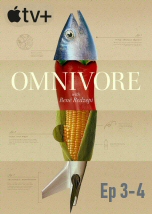
In episodes 3 and 4, a seemingly simple ingredient becomes the invisible force that has shaped civilizations, fueled exploration, and quietly dictated the fate of empires. From ancient trade routes to modern industry, salt emerges not just as a seasoning, but as a powerful driver of human history and survival. At the same time, the story shifts to something far more familiar yet equally unsettling: the global dominance of a single type of banana. What appears to be abundance hides a fragile system built on uniformity, where one disease could wipe out a staple food relied upon by millions. As the journey unfolds, the narrative exposes the hidden cost of convenience and monoculture, revealing how the loss of biodiversity is not a distant ecological concern but an immediate threat to our food security and future. With striking connections between past and present, these episodes invite you to rethink what you eat, where it comes from, and how something as ordinary as salt or a banana could hold the key to understanding the balance—and imbalance—of our world.






















A crucial turn occurred with the emergence of humans as dominant predators and their influence on the extinction of large mammals. The documentary describes humanity's transition from hunter-gatherers to farmers, a change that radically altered the landscape and biodiversity of the planet. Finally, it poses a reflection on the current challenges of climate change and the sixth mass extinction, inviting viewers to consider humanity's crucial role in shaping the future of the Earth.