In these extraordinary times, there is one thing that can offer solace to everyone – the wonder of the natural world. In the most extreme of environments, from the hottest deserts to the freezing poles, from the highest mountains to underwater kingdoms, animals overcome adversity to survive and thrive, offering a message of hope to humanity. To raise our spirits, David Attenborough, Hans Zimmer and Dave unite for a special Natural History event – Planet Earth: A Celebration. The special one-hour programme brings together eight of the most extraordinary sequences from Planet Earth II and Blue Planet II including racer snakes vs iguana, surfing bottlenose dolphins and rare footage of the Himalayan snow leopard.
2020 has been an unprecedented year in science. From a global pandemic and race to find a cure, to exploring our planetary neighbours and our own world, stay in the know with the latest stories that defined this tumultuous year. 365 days marked by stark warnings about the planet's future and technological triumphs. During this journey around the sun, science continued to reveal stories of our past and also provide promise that we can overcome the obstacles in way some far ahead and others more immediate.
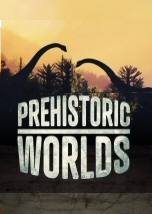
Five times, the Earth has faced apocalyptic events. Cataclysms that have swept away all life forms, or almost. Each time, a handful of species has survived, establishing a new world. What did these prehistoric worlds look like? What catastrophes led to their disappearance? How did our distant ancestors manage to survive the five mass extinctions that the Earth has suffered, finally giving rise to the world we know today? Combining CGI of ancient animal and plant life, VFX and filming, 'Prehistoric Worlds' looks back at the five mass extinctions of life on Earth that allowed the advent of the human race. On the brink of a sixth mass extinction that the scientific community considers imminent – this time caused by mankind – this film gives us an interesting and powerful look at Man's existence on the scale of the history of our planet.
Global warming, and how to combat it, has provoked intense debate, changed the way we see the planet and created headlines around the world. But when and how did scientists first discover global warming, why has it led to such furious debate? In this three-part series geologist Dr Iain Stewart presents a definitive guide to the history of climate change. Battle Begins uncovers some of the great unsung heroes of climate change science, and introduces us to a secret organisation of American government scientists, known as Jason, who wrote the first official report on global warming as far back as 1979. By the late 1980s global warming had already become a serious political issue. It looked as if the world was uniting to take action. But it turned out to be a false dawn.
The series, depicted by state of the art CGI techniques, and applying the laws of life on Earth to the rest of the galaxy, blends fact with science fiction and conceptualizes what alien life might be like on other planets. In the prologue, astronomer Didier Queloz makes an appearance to discuss the discoveries of exoplanets and how they are analyzed in the real world. In Episode 1, the fictional world imagined is Atlas, a world with higher gravity than Earth and a thicker atmosphere leading to airborne creatures. In explaining the aliens of Atlas, the episode also explores the handicap principle in insects, and shows a rehabilitative form of falconry as captive falcons are trained to live in the wild.
With a million species at risk of extinction, Sir David Attenborough explores how this crisis of biodiversity has consequences for us all, threatening food and water security, undermining our ability to control our climate and even putting us at greater risk of pandemic diseases. Everything in the natural world is connected in networks that support the whole of life on earth, and we are losing many of the benefits that nature provides to us. The loss of insects is threatening the pollination of crops, while the loss of biodiversity in the soil also threatens plants growth. Last year, a UN report identified the key drivers of biodiversity loss, including overfishing, climate change and pollution. But the single biggest driver of biodiversity loss is the destruction of natural habitats. Seventy-five per cent of Earth's land surface (where not covered by ice) has been changed by humans, much of it for agriculture, and as consumers we may unwittingly be contributing towards the loss of species through what we buy in the supermarket. Human activities like the trade in animals and the destruction of habitats drive the emergence of diseases. Disease ecologists believe that if we continue on this pathway, this year’s pandemic will not be a one-off event.














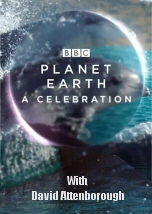





To raise our spirits, David Attenborough, Hans Zimmer and Dave unite for a special Natural History event – Planet Earth: A Celebration. The special one-hour programme brings together eight of the most extraordinary sequences from Planet Earth II and Blue Planet II including racer snakes vs iguana, surfing bottlenose dolphins and rare footage of the Himalayan snow leopard.