




Last Watched

"REM"  Sort by

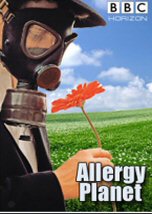
Allergy Planet

   2008    Medicine
We are in the grip of an allergy epidemic. 50 years ago one in 30 were affected, but in Britain today it is closer to one in three. Why this should be is one of modern medicine's greatest puzzles. In search of answers, Horizon travels round the globe, from the remotest inhabited island to the polluted centres of California and the UK. We meet sufferers and the scientists who have dedicated their lives trying to answer the mystery of why we are becoming allergic to our world.
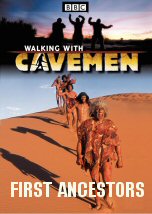
Walking with Cavemen: First Ancestors

   2003    History
It's 3.5 million years ago and in East Africa a remarkable species of ape roams the land. Australopithecus afarensis has taken the first tentative steps towards humanity by standing and walking on two legs. The rift valley was forming, and the rain forests dying as Africa dried out - turning the landscape into a mosaic of scattered trees and grass. In this new environment afarensis found it more efficient to move about on two legs rather than four.
Series: Walking with Cavemen

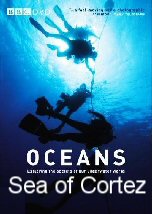
Sea of Cortez

   2009    Nature
The Sea of Cortez, also known as the Gulf of California, is a unique corner of the Pacific Ocean. This remarkable young sea is thought to be around five million years old and home to nearly 900 species of fish and the widest variety of whales and dolphins found anywhere on Earth. Some of the greatest changes threatening the world's oceans today can be seen in this stretch of water.
Series: Oceans

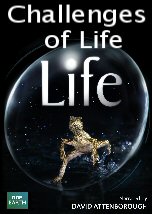
Life: Challenges of Life

   2009    Nature
Four years in the making, Life will set a new benchmark in family entertainment and natural history epics. Many animals and plants go to extremes to give themselves a chance. Aerial photography reveals how bottle-nosed dolphins trap fish in a ring of mud, and time-lapse cameras show how the Venus flytrap ensnares insect victims. The strawberry frog carries a tadpole high into a tree and drops it in a water-filled bromeliad. Fledgling chinstrap penguins undertake a heroic and tragic journey through the broken ice to get out to sea. Many can barely swim and the formidable leopard seal lies in wait
Series: Life

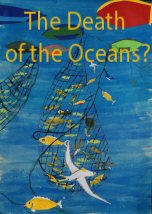
The Death of the Oceans

   2010    Nature
Sir David Attenborough reveals the findings of one of the most ambitious scientific studies of our time - an investigation into what is happening to our oceans. He looks at whether it is too late to save their remarkable biodiversity. Attenborough explores some of the ways in which we are affecting marine life - from over-fishing to the acidification of sea water. The film also uncovers the disturbing story of how shipping noise is deafening whales and dolphins, affecting their survival in the future.

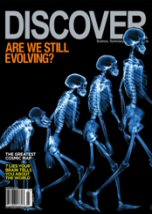
Are We Still Evolving

   2011    Science
Dr Alice Roberts asks one of the great questions about our species: are we still evolving? There's no doubt that we're a product of millions of years of evolution. But thanks to modern technology and medicine, did we escape Darwin's law of the survival of the fittest? Alice follows a trail of clues from ancient human bones to studies of remarkable people living in the most inhospitable parts of the planet and the frontiers of genetic research, to discover if we are still evolving - and where we might be heading.
Terror on the Space Station

Terror on the Space Station

2025  Technology
Abraham Lincoln

Abraham Lincoln

2022  History
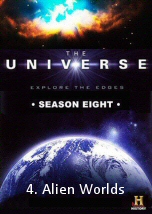
The Universe Season 8

The Universe Season 8

2016  Science
The Sky at Night

The Sky at Night

2024  Science
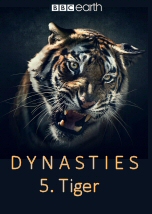
Dynasties

Dynasties

2018  Nature
The Virtual Revolution

The Virtual Revolution

2010  Technology
Strangest Things

Strangest Things

2021  History