This eye-opening documentary puts a simple but provocative question to the test: how much does what we eat really shape our bodies and our health? In a tightly controlled scientific experiment, identical twins adopt radically different diets and lifestyles for eight weeks, allowing researchers to isolate the impact of food itself. By combining cutting-edge science with deeply personal experiences, the series reveals how diet influences everything from energy and metabolism to long-term wellbeing. In the first two episodes, the experiment begins as each pair of twins commits to either a plant-based or an omnivorous diet. As they adjust to unfamiliar routines, some changes feel surprisingly easy while others expose cravings, doubts, and unexpected challenges. Along the way, questionable dietary advice is put under the microscope, and a celebrity chef rethinks his approach to cooking, highlighting how habits, culture, and taste all collide when science meets the dinner table.
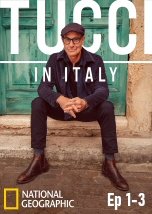
Guided by Stanley Tucci, this documentary journeys into the heart of Italy to reveal the country as it truly is, complex, contradictory, and deeply rooted in its culinary traditions. Through food, Tucci uncovers stories of history, identity, and innovation, showing how every dish reflects centuries of culture, migration, and local pride. What emerges is not a postcard Italy, but a living, evolving nation where cuisine is a language spoken by everyone. In the first three episodes, Tucci immerses himself in Tuscany, savoring the artistry of its cuisine while exploring Florence and Siena, where Renaissance creativity still shapes the table. He then heads north to Italy’s industrial regions, discovering cutting-edge gastronomy and futuristic farming, from high-tech agricultural labs to unexpected gourmet food found at service stations. Finally, in the German-speaking Alpine north, he explores a dual cultural identity through mountain dishes, skiing traditions, and glacial river fishing, revealing how history, borders, and landscape have forged a cuisine unlike any other in Italy.
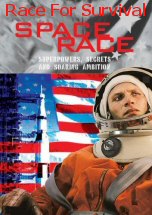
During 1959-1961 both the Americans and Soviets are planning manned space flight, and we see both sides preparing to do so with the development of the Vostok programme (Russia) and Project Mercury (USA). After difficulties and failures on both sides, the Soviets succeed in putting Yuri Gagarin into space first, with the Americans putting Alan Shepard up shortly afterwards.
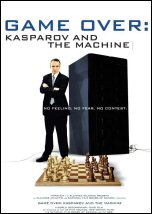
Garry Kasparov is arguably the greatest chess player who has ever lived. In 1997 he played a chess match against IBM's computer Deep Blue. Kasparov lost the match. This film shows the match and the events surrounding it from Kasparov's perspective. It delves into the psychological aspects of the game, paranoia surrounding it and suspicions that have arisen around IBM's true tactics. It consists of interviews with Kasparov, his manager, chess experts, and members of the IBM Deep Blue team, as well as original footage of the match itself.







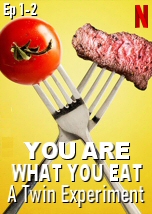



In the first two episodes, the experiment begins as each pair of twins commits to either a plant-based or an omnivorous diet. As they adjust to unfamiliar routines, some changes feel surprisingly easy while others expose cravings, doubts, and unexpected challenges. Along the way, questionable dietary advice is put under the microscope, and a celebrity chef rethinks his approach to cooking, highlighting how habits, culture, and taste all collide when science meets the dinner table.