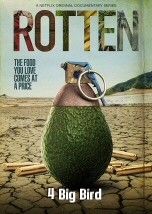
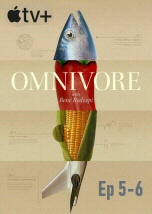
In episodes 5 and 6, you can see how two everyday foods open the door to something far bigger: Memory, survival, tradition and the uneasy bond between humans and the natural world. One journey takes you to La Alberca, in Spain, where the pig is not just an animal but part of a living ritual charged with history, pride and contradiction. The other leads into the rice fields of Kerala, India, where every grain carries the weight of climate, heritage and the fight to preserve ways of life that are slipping away. These chapters do far more than show food on a plate: they reveal beauty, tension and the hidden forces that sustain entire cultures, making each scene feel rich, intimate and impossible to forget.
A new chapter unfolds as the series returns with Season 4, continuing its intimate and authentic look at young adults on the autism spectrum navigating love in today’s world. This season brings back familiar faces alongside new participants, expanding the emotional depth and diversity of experiences. With a stronger focus on independence, communication, and real-life expectations, the journey feels more personal than ever. Each story highlights the courage it takes to open up, face rejection, and keep believing that meaningful connection is possible. In the first three episodes, Connor steps back into dating with growing confidence, while James explores new opportunities to meet someone, balancing humor with genuine vulnerability. Madison embraces new romantic experiences, bringing her warmth and optimism into every encounter. Among the newcomers, Logan begins his search for a partner with determination, Emma navigates the uncertainty of first dates, and Dylan takes early steps toward building confidence in social situations. From first impressions to emotional breakthroughs, these episodes offer a clear and engaging look at the challenges and small victories that define the path to love.
In Episodes 4 and 5 you’ll dive deeper into the emotional journeys as relationships begin to take shape and expectations meet reality. Connor continues building confidence as he navigates new dating opportunities, while James faces both hopeful moments and the frustration of not finding the right connection yet. Madison explores more meaningful interactions, showing both excitement and vulnerability as she opens herself up to love. At the same time, the newer participants begin to reveal their true personalities through real experiences. Logan pushes himself beyond his comfort zone in search of a genuine bond, Emma faces the emotional ups and downs of dating, and Dylan starts to gain confidence as he learns from each encounter. These episodes highlight honest conversations, small breakthroughs, and the unpredictability of relationships, making every moment feel real, relatable, and deeply engaging.
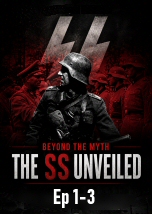
This powerful documentary examines the origins, ideology and evolution of one of the most feared organizations of Nazi Germany. It explores how the SS (Schutzstaffel) transformed from a small protective unit into a vast and ruthless machine that played a central role in the Holocaust. Through detailed analysis and historical evidence, it reveals the distorted beliefs, calculated strategies and systematic brutality that defined its actions, offering a chilling insight into how ordinary structures were turned into instruments of terror on an unprecedented scale. In the first three episodes, the focus turns to the rise of the SS and the individuals who helped shape its power. It traces how recruits were selected and why the organization appealed to certain men, uncovering the mindset behind their commitment. The story delves into the figure of Heinrich Himmler, an unlikely leader whose vision and ambition drove the expansion of the SS, as well as Reinhard Heydrich, whose cold and methodical approach made him one of the key architects of the Holocaust. Together, these episodes reveal how leadership, ideology and personal ambition combined to fuel one of history’s darkest forces.
During 1959-1961 both the Americans and Soviets are planning manned space flight, and we see both sides preparing to do so with the development of the Vostok programme (Russia) and Project Mercury (USA). After difficulties and failures on both sides, the Soviets succeed in putting Yuri Gagarin into space first, with the Americans putting Alan Shepard up shortly afterwards.
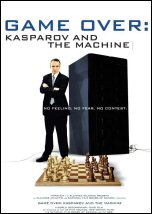
Garry Kasparov is arguably the greatest chess player who has ever lived. In 1997 he played a chess match against IBM's computer Deep Blue. Kasparov lost the match. This film shows the match and the events surrounding it from Kasparov's perspective. It delves into the psychological aspects of the game, paranoia surrounding it and suspicions that have arisen around IBM's true tactics. It consists of interviews with Kasparov, his manager, chess experts, and members of the IBM Deep Blue team, as well as original footage of the match itself.























These chapters do far more than show food on a plate: they reveal beauty, tension and the hidden forces that sustain entire cultures, making each scene feel rich, intimate and impossible to forget.