Global warming, and how to combat it, has provoked intense debate, changed the way we see the planet and created headlines around the world. But when and how did scientists first discover global warming, why has it led to such furious debate? In this three-part series geologist Dr Iain Stewart presents a definitive guide to the history of climate change. Battle Begins uncovers some of the great unsung heroes of climate change science, and introduces us to a secret organisation of American government scientists, known as Jason, who wrote the first official report on global warming as far back as 1979. By the late 1980s global warming had already become a serious political issue. It looked as if the world was uniting to take action. But it turned out to be a false dawn.
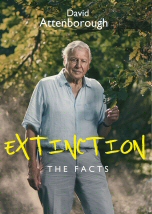
With a million species at risk of extinction, Sir David Attenborough explores how this crisis of biodiversity has consequences for us all, threatening food and water security, undermining our ability to control our climate and even putting us at greater risk of pandemic diseases. Everything in the natural world is connected in networks that support the whole of life on earth, and we are losing many of the benefits that nature provides to us. The loss of insects is threatening the pollination of crops, while the loss of biodiversity in the soil also threatens plants growth. Last year, a UN report identified the key drivers of biodiversity loss, including overfishing, climate change and pollution. But the single biggest driver of biodiversity loss is the destruction of natural habitats. Seventy-five per cent of Earth's land surface (where not covered by ice) has been changed by humans, much of it for agriculture, and as consumers we may unwittingly be contributing towards the loss of species through what we buy in the supermarket. Human activities like the trade in animals and the destruction of habitats drive the emergence of diseases. Disease ecologists believe that if we continue on this pathway, this year’s pandemic will not be a one-off event.
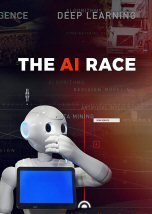
Explore how Artificial Intelligence will change your job as new research shows how much of what you do could be done by robots. From truckers to lawyers & doctors, we bring affected workers face to face with AI experts. How can we prepare for the coming changes to the world economy? We are on the precipice of another technological transformation. The last industrial revolution turned society upside down. It ultimately delivered greater prosperity and many more jobs, as well as the eight hour day and weekends.
But the transition was at times shocking and violent. The question is, can we do better this time? We don't realize that the future is not inevitable. The future is the result of the decisions we make today. These technologies are morally neutral, they can be used for good or for bad.
There's immense good things they can do, they can eliminate many disease,
they can help eliminate poverty, they can tackle climate change. Equally, the technology can be used for lots of bad. It can be used to increase inequality,it can be used to transform warfare. It can be used to make our lives much worse. We get to make those choices.
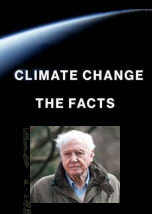
David Attenborough takes a stark look at the facts surrounding Climate Change in today's world, detailing the dangers we are already having to deal with and future threats, but also the possibilities for potential solutions to this global threat and the radical political, social and cultural changes needed. Interviews with some of the world’s leading climate scientists explore recent extreme weather conditions such as unprecedented storms and catastrophic wildfires. They also reveal what dangerous levels of climate change could mean for both human populations and the natural world in the future.
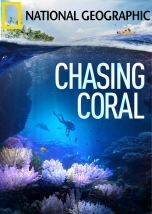
Coral reefs are the nursery for all life in the oceans, a remarkable ecosystem that sustains us. Yet with carbon emissions warming the seas, a phenomenon called 'coral bleaching' -a sign of mass coral death- has been accelerating around the world, and the public has no idea of the scale or implication of the catastrophe silently raging underwater. Chasing Coral taps into the collective will and wisdom of an ad man, a self-proclaimed coral nerd, top-notch camera designers, and renowned marine biologists as they invent the first time-lapse camera to record bleaching events as they happen. Unfortunately, the effort is anything but simple, and the team doggedly battles technical malfunctions and the force of nature in pursuit of their golden fleece: documenting the indisputable and tragic transformation below the waves. With its breathtaking photography, nail-biting suspense, and startling emotion, Chasing Coral is a dramatic revelation that won't have audiences sitting idle for long.
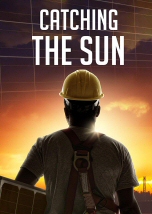
The film captures the global challenge to lead the clean energy future by profiling U.S. and Chinese workers and business leaders who are racing to make crucial breakthroughs in the field. Catching the Sun debunks a false dilemma that clean energy requires sacrificing economic prosperity. Through the stories of an unemployed American worker, a Tea Party activist, and a Chinese solar entrepreneur, we will explore the global energy transition from the perspective of workers and entrepreneurs building solutions to income inequality and climate change with their own hands. Their successes and failures speak to one of the biggest questions of our time: will the countries actually be able to build a clean energy economy?











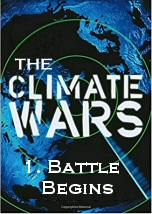





Battle Begins uncovers some of the great unsung heroes of climate change science, and introduces us to a secret organisation of American government scientists, known as Jason, who wrote the first official report on global warming as far back as 1979. By the late 1980s global warming had already become a serious political issue. It looked as if the world was uniting to take action. But it turned out to be a false dawn.