In the last 50 years, we have doubled the amount of fish we consume. Globally, billions of people rely on seafood as their primary source of protein. But the oceans can't keep up with so much demand. Around the world, fish stocks have plummeted and fisheries are crashing. People lost out. There was an industry just completely ravaged. As the global fish supply dwindles, the industry faces a crisis on all sides - including crooked moguls, dubious imports and divisive regulations.
The fourth episode sees host Neil deGrasse Tyson exploring our eternal quest to end hunger and honoring Nikolai Ivanovic Vavilov, pioneer of modern plant breeding, who risked his life for a discovery that would change the history of science. Vavilov's story is marked by both the tenacity and creativity and is particularly tragic. Interwoven into Vavilov's somber narrative are warnings and treatments of science and its ethical implications, especially when science itself comes under attack from political forces.
Across the world, rising demands for food, water and materials have pushed resources to the limit. Many parts of the world have major challenges over fresh water. A lot of soils have a lot of residual pesticides and herbicides. At the same time waste is piling higher. All this demands a new wave of innovation. The challenge is to make more of the things we need without the environmental cost.
Jeremy Clarkson decides to get a flock of sheep. He thinks It's a genius business plan: Instead every year mowing the 300 acres without cropping, the sheep will do, keeping everything nice and tidy and fertilizing the soil. Moreover, he can sell their babies for profit. But he doesn't count with the added complications these high-maintenance animals will bring.
Jeremy Clarkson decides to open a farm shop to sell his own produce. This sounds like it should be easy. It isn’t. Discover the shortest farm shop business in history.
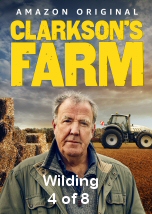
Jeremy Clarkson decides to become a naturalist. 'In just 30 years, insect numbers have dropped by 25% and they're still falling. Without insects, all life on Earth ends. Everywhere where insects like to live is disappearing and I've decided to do something about that. My plan is to make my hedgerows, my valleys, my woods, and my streams more attractive to creepy crawlies. In essence, I am going to leave chunks of the farm completely alone. I'm going to put Mother Nature in the driving seat. It's a process called wilding.'




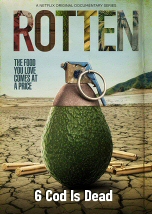
As the global fish supply dwindles, the industry faces a crisis on all sides - including crooked moguls, dubious imports and divisive regulations.