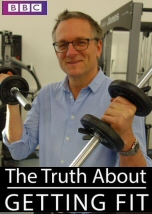
Medical journalist Michael Mosley teams up with scientists whose latest research is turning common knowledge about fitness on its head. They reveal why 10,000 steps is just a marketing ploy and that two minutes of exercise is all a person needs each week. They discover how to get people to stick to their fitness plans and what exercise can actually make everyone more intelligent. Whether it is for couch potatoes who hate the thought of exercise, someone too busy to consider the gym, or even for fitness fanatics who are desperate to do more - science can help everyone exercise better. By the end of January many people struggle to keep up their resolutions to be more active. The result is that people wastes millions on unused gym memberships. But new science has the answers.
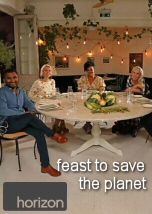
Master Chef judge Gregg Wallace and mathematician Dr Hannah Fry take over a restaurant and invite five special guests to enjoy a dinner party with a difference, where they will be scored on the carbon footprint of every dish they choose. Food accounts for a third of all greenhouse gas emissions, so making informed choices about what we eat is more important than ever. Gregg is with the kitchen team preparing delicious dishes and uncovering tips and tricks we can all use to cook more sustainably. Hannah is working with environmental scientists to reveal the carbon footprint of every single item on the menu and uncovering the latest research that can help us enjoy the food we love that doesn't cost the Earth.
The Sky at Night looks back at the last ten years of astronomy and ponders the most significant milestones and revelations. With the help of six distinguished astronomers, Chris and Maggie consider the state of astronomy in 2020 and wonder what new, exciting discoveries await us across the rest of the decade, as a host of new ground and space telescopes come online. Astronomer Royal Lord Martin Rees is among the guests to walk along the Astronomical Wall of Discovery in this one-hour special.
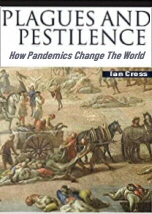
COVID-19 is far from the first pandemic to wreak havoc in the world. A long line of infectious diseases have devastated and in some cases destroyed entire societies. Almost all of them started in animals and made the jump to humans. The Black Death spread across Europe and Asia in the 14th century leaving millions dead in its wake. Between the 15th and 18th centuries, European colonists brought smallpox to the Americas, the Pacific region and to Australia. In Europe, the 17th century saw a series of major epidemics. And at the end of the First World War, more people died of the Spanish flu than on the battlefield. This documentary examines the causes of these epidemics - whether it be lack of hygiene, interaction with animals, overcrowding, or the growth of cities - and how people travelling helped to spread disease and promote pandemics. It also sheds a light on the impact these infectious diseases have had on politics and societal change. Over the centuries, scientists managed to develop treatments and medicines to help control or even eradicate infectious diseases. Virologists are facing that task again with the coronavirus, as the world frantically searches for ways to overcome a pandemic which threatens our modern way of life.
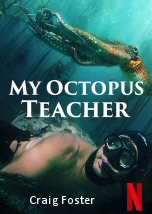
A filmmaker forges an unusual friendship with an octopus living in a South African kelp forest, learning as the animal shares the mysteries of her world. After years of swimming every day in the freezing ocean at the tip of Africa, Craig Foster meets an unlikely teacher: a young octopus who displays remarkable curiosity. Visiting her den and tracking her movements for months on end he eventually wins the animal's trust and they develop a never before seen bond between human and wild animal.
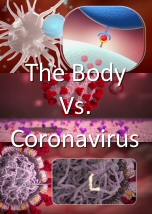
How can we cope with the tricky coronavirus now rampant worldwide? As the pandemic tightens its grip on the world, there are important unanswered questions about this novel virus: Why does this infection spread so rapidly from people with no symptoms? Why do some people become critical while others don't? Will a definitive treatment be found? The underlying key to these questions lie in our immune system. Immune cells are microscopic warriors, combating viruses and another pathogens. Through the high-tech 'eyes' of next-generation microscopes and computer-generated imagery, we will see how our immune defense corps combat against microbes and what mechanism is expected to help develop treatment.






By the end of January many people struggle to keep up their resolutions to be more active. The result is that people wastes millions on unused gym memberships. But new science has the answers.