





Last Watched

"River"  Sort by

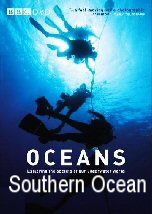
The Southern Ocean

   2009    Nature
The Southern Ocean, which circles the globe without being blocked by land, is home to the Antarctic Circumpolar Current (ACC), the longest of the world's ocean currents. Also known as the "channel", it connects the Indian, Atlantic and Pacific Ocean basins and exerts a powerful influence over the Earth's climate. The ACC carries 150 times more water around Antarctica than the flow of all the world's rivers combined.
Series: Oceans
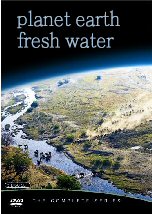
Freshwater

   2007    Nature
Fresh water is our most precious resource and it defines the distribution of life on land. Follow the descent of rivers from their mountain sources to the sea. Watch spectacular waterfalls, fly inside the Grand Canyon and explore the wildlife below the ice in the world's deepest lake. Witness unique and dramatic moments of animal behaviour: a showdown between smooth-coated otters and mugger crocodiles; deep-diving long tailed macaques; massive flocks of snow geese on the wing and a piranha frenzy in the perilous waters of the world's largest wetland.
Series: Planet Earth

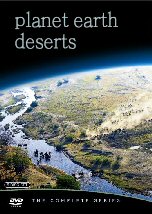
Deserts

   2007    Nature
Around 30% of the land's surface is desert, the most varied of our ecosystems despite the lack of rain. Unravel the secrets of desert survival and experience the ephemeral nature of this dynamic environment. Watch Saharan sandstorms nearly a mile high and desert rivers that run for a single day. In the Gobi Desert, rare Bactrian camels get moisture from the snow. In the Atacama, guanacos survive by licking dew off cactus spines. In the USA, the brief blooming of Death Valley triggers a plague of locusts 65km wide and 160km long. A unique aerial voyage over the Namibian desert reveals elephants on a long trek for food and desert lions searching for wandering oryx.
Series: Planet Earth

Taking To The Air

   2005    Nature
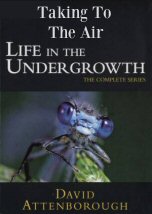
As the early June sun begins to set over a calm river in Central Hungary, masses of ghostly shapes emerge from their larval cases to take to the air for the first time. They are mayflies and in a spectacular display, thousands of them demonstrate how the very first wings were used. From the stunning aerobatics of hoverflies in an English garden to the mass migration of purple crow butterflies in the valleys of Taiwan, this episode tells the tale of the first animals ever to take to the air. Unique footage reveals the lightning fast reactions of bluebottles and hoverflies, filmed with one of the world's fastest cameras, and Sir David Attenborough handles the world's largest (and perhaps most ferocious) insect - the Titan beetle.
Series: Life in the Undergrowth

Frozen Planet: Spring

   2011    Nature
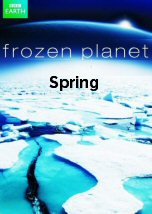
Spring arrives in the polar regions, and the sun appears after an absence of five months; warmth and life return to these magical ice worlds - the greatest seasonal transformation on our planet is underway. Male Adelie penguins arrive in Antarctica to build their nests - it takes a good property to attract the best mates and the males will stop at nothing to better their rivals! But these early birds face the fiercest storms on the planet. In the Arctic, a polar bear mother is hunting with her cubs. Inland, the frozen rivers start to break up and billions of tons of ice are swept downstream in the greatest of polar spectacles. This melt-water fertilizes the Arctic Ocean, feeding vast shoals of Arctic cod and narwhal. The influx of freshwater accelerates the breakup of the sea-ice - an area of ice the size of Australia will soon vanish from the Arctic. On land, a woolly bear caterpillar emerges from the snow having spent the winter frozen solid. Caterpillars normally become moths within months of hatching, but life is so harsh here that the woolly bear takes 14 years to reach adulthood. Once mature it has only days to find a mate before it dies! Alongside the caterpillars white Arctic wolves race to raise their adorable cubs before the cold returns.
Series: Frozen Planet