The film reveals the secret story behind one of the greatest intellectual feats of World War II, a feat that gave birth to the digital age. In 1943 Bill Tutte, a 24-year-old maths student and a GPO engineer called Tommy Flowers combined to hack into Hitler's personal super code machine - not Enigma but an even tougher system, which he called his 'secrets writer'. Their break turned the Battle of Kursk, powered the D-day landings and orchestrated the end of the conflict in Europe. But it was also to be used during the Cold War - which meant both men's achievements were hushed up and never officially recognised.
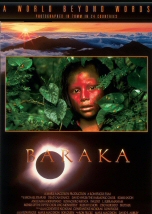
Without words, Ron Fricke shows us the world, with an emphasis not on 'where,' but on 'what's there.' It begins with morning, natural landscapes and people at prayer: volcanoes, water falls, veldts, and forests; several hundred Balinese Hindu men perform kecak, the monkey chant. Indigenous peoples apply body paint; whole villages dance. The film moves to destruction of nature via logging, blasting, and strip mining. Images of poverty, rapid urban life, and factories give way to war, concentration camps, and mass graves. Ancient ruins come into view, and then a sacred river where pilgrims bathe and funeral pyres burn. Prayer and nature return. A monk rings a huge bell; stars wheel across the sky. (Click CC for places description)
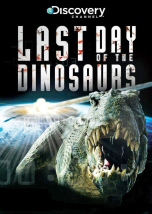
Dinosaurs ruled the earth for 150 million years, then suddenly they were gone. Their disappearance is one of the planet’s greatest mysteries – unimaginable, until now. The film proposes a minute-by-minute chronology of the Chicxulub impact and its effect on the dinosaurs and other animals around the world. A blow-by-blow account of the cataclysm that ended the reign of the dinosaurs, and forever changed the course of life on Earth.
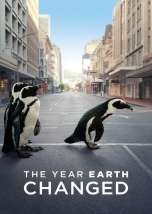
Narrated by David Attenborough, never-before-seen footage shows how our living in lockdown opened the door for nature to bounce back and thrive. Across the seas, skies, and lands, Earth found its rhythm when we came to a stop. The film is a fresh new approach to the global lockdown and the uplifting stories that have come out of it. People all over the world have had the chance to engage with nature like never before.
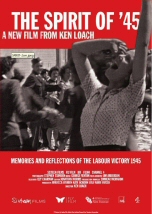
The film is focused on and celebrating the radical changes in postwar Britain under the Labour government of Clement Attlee, which came to power in 1945. Relying primarily on archive footage and interviews, and without a narrative voiceover, the documentary recounts the endemic poverty in prewar Britain, the sense of optimism that followed victory in World War II and the subsequent expansion of the welfare state, founding of the National Health Service and nationalisation of significant parts of the UK's economy. The film documents the extent to which these achievements, as the filmmaker Ken Loach sees them, have since been subject to attack in the decades that followed, particularly under the Conservative governments of Margaret Thatcher in the 1980s
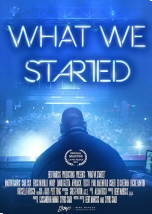
Aims to establish itself as the defining film of the electronic music genre. Through an artfully crafted narrative and stunning visual techniques, the film delves into the highly popular world of electronic dance music, providing backdoor access to a widely misunderstood, self-driven and well-insulated industry on its way to global domination. The narrative leads with the legacy of Carl Cox and following with newcomer, Martin Garrix, as the film explores the parallels between Cox's undeniable influence and hand in the evolution of dance music and Garrix's formation of mainstream genres and global fame.
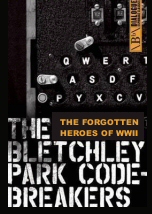


In 1943 Bill Tutte, a 24-year-old maths student and a GPO engineer called Tommy Flowers combined to hack into Hitler's personal super code machine - not Enigma but an even tougher system, which he called his 'secrets writer'. Their break turned the Battle of Kursk, powered the D-day landings and orchestrated the end of the conflict in Europe. But it was also to be used during the Cold War - which meant both men's achievements were hushed up and never officially recognised.