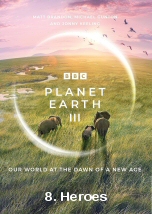
In this captivating final episode of the series we meet some incredible conservation champions on nature's front line, fighting to preserve the future of our beautiful planet. The episode opens with a dramatic rescue operation for the critically endangered black rhino, showcasing the efforts of Dumi Zwane and his team to establish a new breeding colony in a safe haven. The focus then shifts to the Centro Jambatu research center in the Andes, where Jaime Culebras works tirelessly to save the last of certain frog species. The documentary also highlights the efforts of Trang Nguyen, who bravely infiltrates the illegal wildlife trade in West Africa to protect forest elephants from ivory poachers. Meanwhile, in Vienna, Katharina Huchler undertakes a remarkable journey to reintroduce the northern bald ibis to Europe after its extinction 400 years ago. Indigenous leader Alessandra Korap's battle to preserve the Amazon rainforest from exploitation is a key focus, alongside Mohamed Nasheed's fight against climate change to save coral reefs and his country. This episode addresses the broader issue of habitat destruction, emphasizing its role as a primary driver of extinction. It poignantly demonstrates the interconnectivity of life on Earth and the critical importance of conservation efforts.
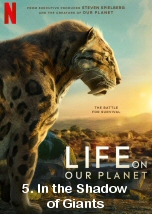
The fifth episode of the series is a fascinating exploration of the dinosaur era and its impact on the evolution of life on Earth. Through a journey of 200 million years, we discover how the breakup of Pangea and tectonic changes shaped biodiversity and created environments for dinosaurs and other forms of life to flourish. From the majestic Diplodocus to the formidable Allosaurus, the documentary brings to life the giants that once dominated our planet. Additionally, it shows the evolution of plants, highlighting the emergence of flowers and their symbiotic relationship with insects, such as termites and ants, whose social and evolutionary dynamics are explored in depth. The narrative also addresses the rise of mammals and their coexistence with dinosaurs, highlighting species such as the Numbat and their struggle for survival. With stunning imagery and a captivating narrative, this episode is an invitation to learn, marvel, and reflect on the extraordinary history of life on Earth.
The last episode of the series showcases Africa, home to the greatest wildlife gatherings on earth and vast ecosystems. It delves into the lives of intelligent chimpanzees using tools in Ivory Coast, and the diverse cichlid fish in the Great Rift Valley's lakes. The film also explores the survival strategies of animals in the Namib Desert, including the brown hyena and the aardvark. But even in this land of plenty, wildlife faces huge challenges. Crucially, it is addressed the impact of climate change and human activities, highlighting the plight of endangered species like the northern white rhinoceros and the decreasing populations of elephants and cheetahs due to poaching. However, it also offers hope, illustrating successful conservation efforts like the recovery of the mountain gorilla population in Virunga National Park. The documentary is a vivid reminder of the richness of African wildlife and the urgent need for conservation efforts to preserve our planet's biodiversity.
In the last episode we are taken on a gripping journey into the lives of a magnificent family of tigers in Bandhavgarh, India. This family, led by a tigress named Raj Bera, faces numerous challenges and triumphs. As we delve into their world, we witness the extraordinary bonds, fierce determination, and the will to survive against all odds. Raj Bera is the matriarch who must teach her cubs the essential skills they need to thrive in the wild. Her cubs are not only the heirs to her dynasty but also the future of the tiger species itself. In a land with increasing human encroachment and threats of poaching, the family's story is not only an intimate portrayal of their lives but also a glimpse into the larger conservation efforts to save these magnificent creatures from extinction. Throughout the documentary, you'll see breathtaking scenes of tiger family dynamics, from nurturing to hunting, as they navigate their way through the challenging Indian landscape. The captivating narrative underscores the urgent need for protecting these remarkable animals and the critical importance of providing them with the space to preserve their ancient heritage. The film is a moving and eye-opening exploration of these majestic creatures and the dedicated conservationists working tirelessly to ensure their survival. It is a must-watch for anyone interested in the natural world and the future of one of the most iconic and endangered species on our planet.
A close examination of the Whakaari / White Island volcanic eruption of 2019, in which 22 lives were lost, the film viscerally recounts a day when ordinary people were called upon to do extraordinary things, placing this tragic event within the larger context of nature's unpredictability and the resilience and power of our shared humanity. The film explores the profound impact on survivors, their unwavering determination to recover and rebuild, and the enduring effects of the eruption. With remarkable personal stories, stunning visuals, and a poignant reflection on the forces of nature, this documentary offers a gripping portrayal of the human spirit and solidarity in the face of adversity. It is a must-watch for those interested in powerful storytelling and the resilience of the human spirit, with a captivating and thought-provoking narrative.
Welcome to the thrilling second season of ‘Our Planet’. Get ready for an astounding journey through breathtaking landscapes and fascinating wildlife. This series, with its captivating cinematography and powerful storytelling, immerses us in Earth's natural beauty and reminds us of the importance of protecting it as we face crucial challenges. Through David Attenborough's masterful narration we will connect with the magnificence of our shared home with other species and be inspired to take action to preserve its splendor. Join us in celebrating the awe-inspiring planet we call home! Be it buffalo, polar bears, humpback whales or albatross chicks, migration is a vital survival strategy for animals to feed, reproduce and find home.


























This episode addresses the broader issue of habitat destruction, emphasizing its role as a primary driver of extinction. It poignantly demonstrates the interconnectivity of life on Earth and the critical importance of conservation efforts.