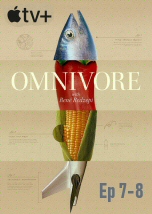
In the last two episodes of this series, you can see how coffee and corn open the door to stories far beyond what we consume every day. From the demanding journey of the coffee bean—shaped by history, craftsmanship and human effort—to the rise of corn from a sacred crop to a dominant force in global food systems, these episodes reveal how simple ingredients carry profound meaning. What begins as a look at familiar foods quickly becomes a deeper exploration of culture, industry and survival, uncovering the fragile balance behind what we eat and leaving a lasting sense of how much is at stake in the most ordinary things.
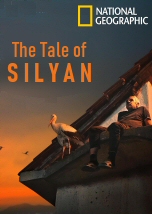
Click CC for subtitles. In a quiet North Macedonian village, a farmer forms an extraordinary bond with a white stork, a creature deeply rooted in local legend and seasonal ritual. What begins as a simple act of care gradually unfolds into a story where nature, folklore, and everyday life merge. Through patient observation and intimate storytelling, the documentary reveals how ancient beliefs still breathe beneath the surface of modern rural life. As the stork becomes both companion and symbol, the film explores themes of belonging, migration, and the fragile balance between humans and the natural world. Blending myth with reality, it offers a poetic meditation on tradition, resilience, and the invisible threads that tie a community to the rhythms of the land and sky.
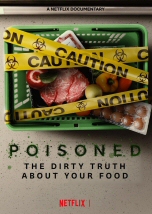
In a world where the pursuit of health pushes us towards organic aisles and fresh produce, this film uncovers a chilling revelation: the very foods promoted for wellness might be our greatest peril. As we navigate grocery store aisles, seemingly benign items like romaine lettuce, cut fruit, and even infant formula hide tales of contamination and legal battles. This gripping exposé dives deep into the unsettling truth about our food, revealing risks where we least expect them. With every bite, we make choices about our health. But what if those choices, even the most well-intentioned ones, are not as safe as we believe? Poisoned: The Dirty Truth About Your Food challenges our perceptions and urges viewers to question: In the modern food landscape, is anything truly safe? The film is a truly call to action for the officials who have the power to mitigate the danger caused by foodborne pathogens that kill thousands of people every year.
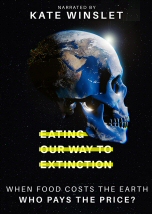
Starring globally renowned figures and the world's leading scientists, 'Eating Our Way To Extinction' will take you on a journey - A powerful cinematic feature documentary that opens the lid on the elephant in the room no one wants to talk about: Unsustainable beef cattle production leads to deforestation, increased pollution and plundering of resources. Alarming and entertaining, this compelling film will make you never look at your food or the food industry in the same way again. We cannot deny the destruction of our planet any longer. The damage is clear and we have nowhere else to go! It is time to face the truth, however uncomfortable that may be – we are on borrowed time. But every day we have the power to make great food choices for our planet, palate and person.
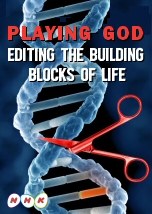
The film explores the revolutionary gene-editing tech now giving humankind the freedom to redraw the blueprint of biological life itself. We investigate not only the tremendous potential the technology holds, whether in the fight to eliminate diseases or in transforming agriculture to adapt to unprecedented climate extremes, but also probe the inherent risks involved and the potential for widespread abuse, dangers that could take our future down a very dark, dystopian path.
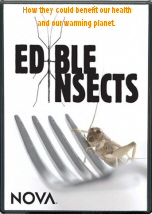
From crunchy crickets to nutty fly grubs, the film takes a tasty look at insect foods and how they could benefit our health and our warming planet. From Thailand to Texas, insect farmers are showing how the tiny critters stack up as an environmentally friendly alternative to beef protein and can, pound for pound, deliver better nutritional value than the finest steak. But will western people overcome the 'ick' factor and share the appetite of many cultures around the world for insect feasts?






What begins as a look at familiar foods quickly becomes a deeper exploration of culture, industry and survival, uncovering the fragile balance behind what we eat and leaving a lasting sense of how much is at stake in the most ordinary things.