In the final two episodes, the investigation reaches its most intense and disturbing stage as former followers finally begin revealing the full extent of the abuse, fear, and manipulation hidden inside Sam’s inner circle. A key witness opens up to Christine with shocking testimony about Sam’s crimes, while law enforcement closes in after a tense traffic stop in Flagstaff exposes how dangerous the situation has become. As the FBI prepares a major operation, the series builds toward a dramatic confrontation that changes everything for the Samuelites. Even behind bars, Sam refuses to lose control. The final episodes reveal an increasingly unbelievable chain of events involving manipulation, blind devotion, and a brazen kidnapping plot orchestrated from prison itself. At the same time, the documentary follows the emotional struggle of former followers trying to rebuild their lives after years of psychological control. These episodes deliver the most powerful revelations of the series, combining true crime, cult psychology, and emotional testimonies in a finale that feels both disturbing and deeply compelling.
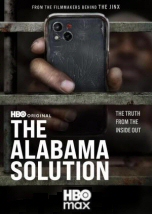
Inside one of America’s deadliest prison systems, a group of incarcerated men defy fear and isolation to reveal the truth hidden behind concrete walls. Through smuggled footage, letters, and interviews, they expose a network of corruption, abuse, and systemic neglect that has claimed countless lives. Their courage turns confinement into resistance, transforming their voices into weapons against silence. As investigations deepen, the film uncovers how the state’s drive for profit fuels overcrowding, forced labor, and violence — conditions that thrive in secrecy. What begins as a story of survival becomes a powerful quest for justice, giving a face and a voice to those the system tried to erase.
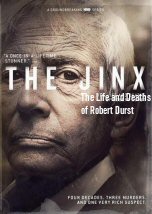
Andrew Jarecki delves into the complex life of reclusive real estate icon Robert Durst, the key suspect in a series of unsolved crimes. At the conclusion of the original series, ‘The Jinx: The Life and Deaths of Robert Durst,’ viewers worldwide were shocked to hear Robert Durst utter the words, ‘I killed them all, of course.’ Hours earlier, evidence uncovered by the filmmakers had led to Durst's arrest in a New Orleans hotel lobby. Over the next eight years, the filmmakers continued their relentless investigation. This gripping complete series uncovers police files, key witnesses, never-before-seen footage, private prison recordings, and thousands of pages of previously hidden documents. Prepare to be captivated by the shocking revelations and twists in this extraordinary real-life thriller with this complete second part.
This completed featured documentary series reveals long-buried information discovered during the filmmakers' seven-year investigation of a series of unsolved crimes, and the man suspected of being at its center – Robert Durst, scion of New York’s billionaire Durst family – and was made with his full cooperation. 'The Jinx' expose police files, key witnesses, never-before-seen footage, private prison recordings, and thousands of pages of formerly hidden documents. Directed and produced by Andrew Jarecki and produced and shot by Marc Smerling.
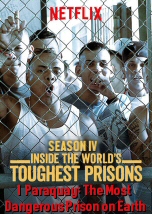
Imagine being in jail. Now imagine living in a foreign country. Scary? Raphael Rowe served 12 years in prison for a crime he was eventually acquitted. He takes you inside these jails. Rowe shows what living conditions are for the inmates, as well as the guards. You'll never look at prison the same. In the first episode, Raphael Rowe spends a week behind bars at Tacumbu prison in Paraguay, where inmates scrounge in the trash in order to pay their own way.
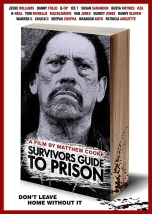
Following the stories of Bruce Lisker and Reggie Cole who spent year after year in prison for murders they didn't commit - audiences get a harrowing look at how barbaric the US justice system is. The film ultimately asks how we can survive the prison model at all, and looks at better solutions for conflict resolution, harm reduction, crime and more. Hosted by filmmaker Matthew Cooke and guest hosting representatives from the massive range of Americans joining forces to change this broken system.















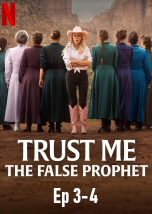







Even behind bars, Sam refuses to lose control. The final episodes reveal an increasingly unbelievable chain of events involving manipulation, blind devotion, and a brazen kidnapping plot orchestrated from prison itself. At the same time, the documentary follows the emotional struggle of former followers trying to rebuild their lives after years of psychological control. These episodes deliver the most powerful revelations of the series, combining true crime, cult psychology, and emotional testimonies in a finale that feels both disturbing and deeply compelling.