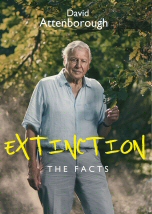
With a million species at risk of extinction, Sir David Attenborough explores how this crisis of biodiversity has consequences for us all, threatening food and water security, undermining our ability to control our climate and even putting us at greater risk of pandemic diseases. Everything in the natural world is connected in networks that support the whole of life on earth, and we are losing many of the benefits that nature provides to us. The loss of insects is threatening the pollination of crops, while the loss of biodiversity in the soil also threatens plants growth. Last year, a UN report identified the key drivers of biodiversity loss, including overfishing, climate change and pollution. But the single biggest driver of biodiversity loss is the destruction of natural habitats. Seventy-five per cent of Earth's land surface (where not covered by ice) has been changed by humans, much of it for agriculture, and as consumers we may unwittingly be contributing towards the loss of species through what we buy in the supermarket. Human activities like the trade in animals and the destruction of habitats drive the emergence of diseases. Disease ecologists believe that if we continue on this pathway, this year’s pandemic will not be a one-off event.
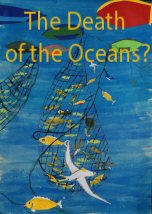
Sir David Attenborough reveals the findings of one of the most ambitious scientific studies of our time - an investigation into what is happening to our oceans. He looks at whether it is too late to save their remarkable biodiversity. Attenborough explores some of the ways in which we are affecting marine life - from over-fishing to the acidification of sea water. The film also uncovers the disturbing story of how shipping noise is deafening whales and dolphins, affecting their survival in the future.
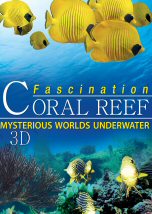
Enter the fascinating world of the coral reefs and experience breath taking flora and fauna up close. The multitude of marine species, commencing with glassy sweepers, blow and porcupine fish, goliath groupers, giant morays, sea turtles up to the largest shark on earth, the whale shark, as well as the play of colours and the biodiversity of the corals, stony star corals, soft corals, bubble-tip anemones and gorgonian corals. Let yourself fall into a rapture of the deep. All in glorious 3D
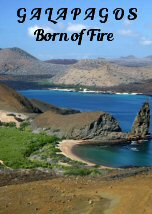
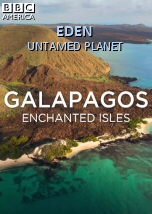
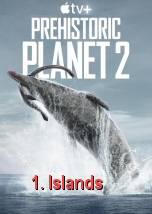
600 miles off the coast of South America in the Pacific Ocean there are 120 tropical islands that erupted from the deep ocean floor more than 10 million years ago. Journey from the lava ramparts to its fiery heart, we'll discover how the Galapagos archipelago became one of the most important areas of biodiversity in the world. Those swept here by storms and currents survived million to one odds to find untouched islands free from competition. These hardy pioneers evolved in remarkable ways in what's known as Nature's Greatest Experiment. Home to bizarre specialists and unexpected giants, the most precious collection of island creatures on Earth.
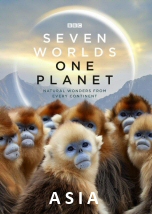
Asia, the largest and most extreme continent on Earth, is home to animals that inhabit the world's hottest deserts, tallest jungles, and highest mountains. Explore the enchanting world of Asia's wildlife in a captivating film that showcases its extraordinary creatures, from the intriguing vocalizations of the Sumatran rhinoceros to the majestic whale shark. However, it also sheds light on the pressing issues of deforestation, particularly due to the palm oil industry, which threatens the survival of countless species, including the iconic orangutan. Witness the efforts of researchers and conservationists dedicated to protecting these endangered animals in reserves like Gunung Palung National Park. This documentary serves as a poignant reminder of our shared responsibility to safeguard our planet's remarkable biodiversity. Don't miss this visually stunning and informative journey through Asia's diverse landscapes and the urgent call for conservation.
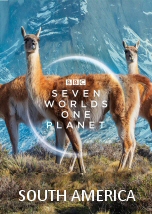
The third episode of the series takes viewers on an enthralling journey through the diverse ecosystems of the most species-rich continent on earth. It highlights the resilience and challenges faced by the unique wildlife, from the Atacama Desert to the Amazon Rainforest. The documentary showcases the remarkable interactions between creatures like black spider monkeys, parrots, and Capuchin monkeys, emphasizing the delicate balance between human needs and the preservation of South America's biodiversity. The film also captures the rare and thrilling moments of puma hunting, providing an intimate look at the struggles of a mother puma named Sarmiento. South America's extraordinary landscapes, wildlife, and their coexistence with humans are beautifully depicted in this documentary.
















Everything in the natural world is connected in networks that support the whole of life on earth, and we are losing many of the benefits that nature provides to us. The loss of insects is threatening the pollination of crops, while the loss of biodiversity in the soil also threatens plants growth.
Last year, a UN report identified the key drivers of biodiversity loss, including overfishing, climate change and pollution. But the single biggest driver of biodiversity loss is the destruction of natural habitats. Seventy-five per cent of Earth's land surface (where not covered by ice) has been changed by humans, much of it for agriculture, and as consumers we may unwittingly be contributing towards the loss of species through what we buy in the supermarket. Human activities like the trade in animals and the destruction of habitats drive the emergence of diseases. Disease ecologists believe that if we continue on this pathway, this year’s pandemic will not be a one-off event.