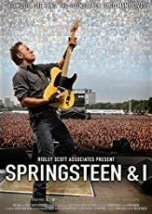
A unique feature music documentary celebrating a rock 'n' roll icon: Bruce Springsteen. Working with the filmmakers, Springsteen's fans have helped create a film that reflects on their personal insights and experiences to explore what this timeless artist means to them. Their stories are at times touching, at times humorous, at times extraordinary and they all come from the heart. Combined with previously unseen archive footage of performances throughout Springsteen's career, this is a film by the fans and for the fans created with the full support of Bruce Springsteen.
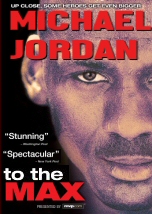
A tribute to the life and career of one of the best basketball players of all-time. The film chronicles Jordan's triumphs through interviews with former players, coaches and Jordan himself. Follow Michael Jordan's last basketball season as he leads the Chicago Bulls to their sixth NBA championship. Michael Jordan to the Max provides a rare glimpse of Michael Jordan on and off the court. Featuring electrifying on court action and candid interviews with Phil Jackson, Steve Kerr, Doug Collins and Bob Costas. Get ready to experience some of the greatest moments in modern sports history from one of the most dominant sport legends of all time.
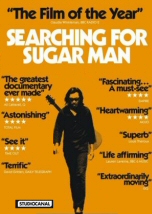
In the early 1970s, Sixto Rodriguez was a Detroit folksinger who had a short-lived recording career with only two well received but non-selling albums. Unknown to Rodriguez, his musical story continued in South Africa where he became a pop music icon and inspiration for generations. Long rumored there to be dead by suicide, a few fans in the 1990s decided to seek out the truth of their hero's fate. What follows is a bizarrely heartening story in which they found far more in their quest than they ever hoped, while a Detroit construction labourer discovered that his lost artistic dreams came true after all.
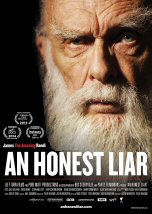
A feature documentary about the world-famous magician, escape artist, and world-renowned enemy of deception, James 'The Amazing' Randi. The film brings to life Randi's intricate investigations that publicly exposed psychics, faith healers, and con-artists with quasi-religious fervour. A master deceiver who came out of the closet at the age of 81, Randi created fictional characters, fake psychics, and even turned his partner of 25 years, the artist Jose Alvarez, into a sham guru named Carlos. But when a shocking revelation in Randi's personal life is discovered, it isn't clear whether Randi is still the deceiver - or the deceived.
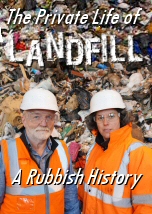
Their quest is to discover whether the items we throw away today have any value for tomorrow's world. In a unique science experiment, Dr George McGavin and Dr Zoe Laughlin chronicle the history of rubbish and explore how what we throw away tells us about the way we live our lives. With unprecedented access to one of the UK's largest landfill sites, the team of experts spend three days carrying out tests all over the site, revealing the secret world of rubbish. They also carry out three other 'archaeological' digs into historic landfills to chart the evolution of our throwaway society. Is mining trash for something valuable really viable? McGavin concluded: 'The idea of landfill mining is a pretty compelling vision of the future.'
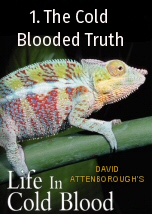
David Attenborough reveals the surprising truth about the cold-blooded lives of reptiles and amphibians. These animals are as dramatic in combat, as colourful in their communication and as tender in their parental care as any other animals. Join giant courting crocodiles, jousting tortoises and bright red sumo-wrestling frogs in their sophisticated, solar-powered lives.




Combined with previously unseen archive footage of performances throughout Springsteen's career, this is a film by the fans and for the fans created with the full support of Bruce Springsteen.