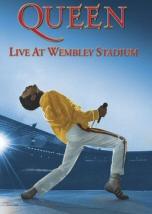
One of the world's biggest bands return to the scene of their Live Aid triumph a year earlier to play all their greatest hits in front of a packed Wembley Stadium. Everything is done right and to perfection here. There is a majesty in the filming and editing that is missing in the other performances. Maybe it's the energy of this awesome Wembley crowd. Shot just before sunset, the transition to night time is magic and Freddie commands! He is loved by and connected to the crowd like very few performers. The sound is stellar, Brian is in great form, the harmonies are spot on, it is incredible to realize this wall of great sound is coming mostly from a live trio.
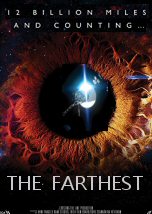
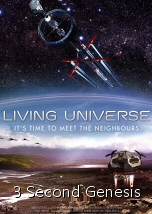
In episode 3, Artemis arrives on the exoplanet Minerva B, but will she find evidence of life? This is a vision of our future, the fateful day in a far-flung corner of the universe, when a probe from Earth initiates the first descent onto an alien world, looking for proof of life beyond our solar system. There are no witnesses, no cheering crowds in the control room. A decade or more will pass before news finally reaches us, back across the dark oceans of space. But the seeds of this mission are already being sowed today by the first generation of scientists bold enough to believe it could be possible.
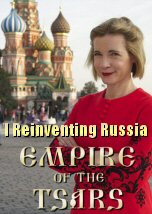
Lucy Worsley travels to Russia to tell the extraordinary story of the dynasty that ruled the country for more than three centuries. It's an epic tale that includes giant figures such as Peter the Great and Catherine the Great, the devastating struggle against Napoleon in 1812, and the political murders of Nicholas II and his family in 1918 which brought the dynasty to a brutal end. In this first episode, Lucy investigates the beginning of the Romanovs' 300-year reign in Russia. In 1613, when Russia was leaderless, 16-year-old Mikhail Romanov was plucked from obscurity and offered the crown of Russia. Lucy also charts the story of Peter the Great, the ruthless and ambitious tsar who was determined to modernise Russia at the end of the 17th century.
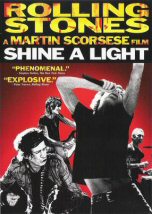
A Rolling Stones documentary that focuses on the two concerts from the group's "A Bigger Bang" tour as well as historical and contemporary behind-the-scenes footage and interviews. Footage from the shows will be intercut with backstage footage, historical clips and contemporary interviews with the band. The shows were noted for their star-studded crowds, including former President Bill Clinton. Martin Scorsese's document of the Rolling Stones' electrifying live shows should provide satisfaction to audiences
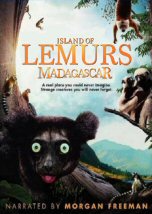
Morgan Freeman narrates Island of Lemurs: Madagascar, the incredible true story of nature's greatest explorers - lemurs. Scientist Patricia Wright has a passion for preserving the life of one particular creature: the lemur. These lively animals found in Madagascar face all sorts of threats, just like so many other animals in a world in which they are increasingly crowded out by humans. Her passion for the subject is compelling and plainly evident, but it's the silent testimony of the animals themselves that really makes the case. Countless hours of footage are trimmed down to create this tapestry depicting the lives of these creatures of remarkable intelligence and ingenuity. Their daily routines and extraordinary adventures are awesome to behold, as is the way that the community functions. A full immersion into the world of the lemurs means great insights on these unusual animals.
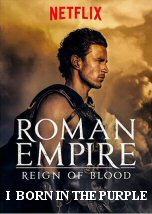
This stylish mix of documentary and historical epic chronicles the reign of Commodus, the emperor whose rule marked the beginning of Rome's fall. In the first episode, the death of Marcus Aurelius brings a century of Roman triumphs and victories to an end, transferring power to his spoiled, unprepared son Commodus. When his father bequeaths him the world's mightiest empire, he is forced to spill the blood of both friends and enemies alike to keep his crown.







Everything is done right and to perfection here. There is a majesty in the filming and editing that is missing in the other performances. Maybe it's the energy of this awesome Wembley crowd. Shot just before sunset, the transition to night time is magic and Freddie commands! He is loved by and connected to the crowd like very few performers. The sound is stellar, Brian is in great form, the harmonies are spot on, it is incredible to realize this wall of great sound is coming mostly from a live trio.