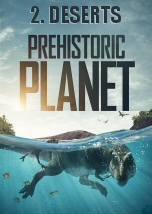
In the second episode, Dreadnoughtus males compete for the right to mate. Lizards are hunted by Velociraptor among a group of sleeping Tarbosaurus. A Mononykus forages for termites and investigates new food options after a brief rainstorm. Several types of dinosaurs congregate around a watering hole in Mongolia. Above the deserts of North Africa, aerial combat ensues as male Barbaridactylus pterosaurs fight for the attention of females below. A herd of Secernosaurus brave the harsh gypsum dunes in search of nourishment.
Female Isisaurus traverse the Deccan Traps to reach their nesting site. A mixed herd of sauropods and Prenocephale navigate a maze of canyons, but are ambushed by a pack of Velociraptor and a trio of Tarbosaurus. A colony of male Corythoraptor protect their eggs from the scorching sun by day, and a female Kuru kulla at night, who has offpsring of her own. Trudging through a scorching desert, two young Tarchia find relief at an oasis and encounter an adult twice their size, ready to lay claim. Several Isisaurus hatchlings fall prey to Rajasaurus in an attempt to reach their ancestral home.
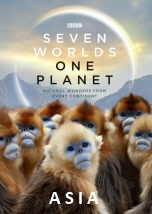
Asia, the largest and most extreme continent on Earth, is home to animals that inhabit the world's hottest deserts, tallest jungles, and highest mountains. Explore the enchanting world of Asia's wildlife in a captivating film that showcases its extraordinary creatures, from the intriguing vocalizations of the Sumatran rhinoceros to the majestic whale shark. However, it also sheds light on the pressing issues of deforestation, particularly due to the palm oil industry, which threatens the survival of countless species, including the iconic orangutan. Witness the efforts of researchers and conservationists dedicated to protecting these endangered animals in reserves like Gunung Palung National Park. This documentary serves as a poignant reminder of our shared responsibility to safeguard our planet's remarkable biodiversity. Don't miss this visually stunning and informative journey through Asia's diverse landscapes and the urgent call for conservation.
The third episode of the series takes viewers on an enthralling journey through the diverse ecosystems of the most species-rich continent on earth. It highlights the resilience and challenges faced by the unique wildlife, from the Atacama Desert to the Amazon Rainforest. The documentary showcases the remarkable interactions between creatures like black spider monkeys, parrots, and Capuchin monkeys, emphasizing the delicate balance between human needs and the preservation of South America's biodiversity. The film also captures the rare and thrilling moments of puma hunting, providing an intimate look at the struggles of a mother puma named Sarmiento. South America's extraordinary landscapes, wildlife, and their coexistence with humans are beautifully depicted in this documentary.
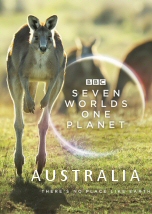
The fourth episode of the series takes viewers on a fascinating journey through the unique and diverse landscapes of Australia, a continent that drifted apart during the time of the dinosaurs. Isolated for millions of years, the weird and wonderful animals marooned here are like nowhere else on Earth. From the vast deserts to lush rainforests, this episode showcases the incredible wildlife that calls this continent home. The film highlights the fascinating behaviors and adaptations of Australia's native animals, including the elusive dingo, kangaroos, and the iconic Tasmanian devil. It also sheds light on the challenges these creatures face in a rapidly changing world, emphasizing the impact of human activities on their survival and underscoring the importance of preserving these environments and the incredible creatures that inhabit them. The stunning cinematography and intimate footage capture the beauty and struggles of Australia's wildlife, making this documentary a visual treat and a must-watch for anyone interested in wildlife and conservation.
The final episode begins with a description of the extreme cold conditions that characterized the beginning of the Holocene period, and how species like the bison and the wolf adapted to survive in these hostile environments. We will witness the majesty of the woolly mammoth and the fierce cave lion, with a vivid reconstruction of their struggles for survival. We'll see the impact of climate change during this period, from the expansion of the deserts to the transformation of the tropical rainforests of Africa into grasslands, deeply affecting primates and other animals. It highlights how these changes forced primates to adapt to life on the ground, facing new challenges and predators. A crucial turn occurred with the emergence of humans as dominant predators and their influence on the extinction of large mammals. The documentary describes humanity's transition from hunter-gatherers to farmers, a change that radically altered the landscape and biodiversity of the planet. Finally, it poses a reflection on the current challenges of climate change and the sixth mass extinction, inviting viewers to consider humanity's crucial role in shaping the future of the Earth.
























Above the deserts of North Africa, aerial combat ensues as male Barbaridactylus pterosaurs fight for the attention of females below. A herd of Secernosaurus brave the harsh gypsum dunes in search of nourishment.