



This there-part series explores monumental changes in the workplace and the long-term impact on workers, employers, educators and communities. Employment is part of the American Dream. Will the future provide opportunities for jobs that sustain families and the nation? The first episode illuminates disruptions to the world of work--AI, robotics, globalization and labor practices. The COVID-19 pandemic was a new driver of change; at the pandemic's height, unemployment flipped from its lowest rate in 50 years to its highest level in a century.
The film is an immersive chronicle of the insurrection at the U.S. Capitol on January 6, 2021, when thousands of Donald Trump's followers from across the country gathered in Washington D.C. to protest the results of the 2020 presidential election, many with the intent of disrupting the certification of Joe Biden’s presidency. 'Four Hours at the Capitol' features never-before-seen footage and vivid first-hand accounts from lawmakers, staffers, police officers, protesters, and rioters who stormed the Capitol building where the electoral votes were being counted. The film details how the violence quickly escalated, leaving Capitol security forces outnumbered and overwhelmed, and highlights the high-stakes standoff between police and rioters. The documentary presents a stark reminder of the wider ramifications of the events of that unprecedented day, which ended with the deaths of five people and more than 140 police officers injured.
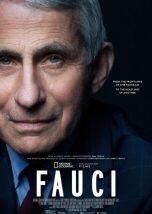
A portrait of Dr. Anthony Fauci, the public servant, scientist, physician, husband and father whose career spans seven presidents and is bookended by two pandemics: HIV/AIDS, which shaped him, and of course, COVID-19; the latter bringing him countless TV appearances in American homes on an almost daily basis over the course of nearly two years.
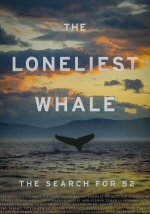
The film is a cinematic quest to find the '52 Hertz Whale,' which scientists believe has spent its entire life in solitude, calling out at a frequency that is different from any other whale. As we search for this elusive creature, we will explore the phenomenon of human reaction to its plight, while revealing its connection to the growing epidemic of loneliness in our interconnected world.
Could the source of the world’s deadliest viruses hold the secret to a healthier and longer life? Bats have a sinister reputation as potential sources for some of the deadliest disease outbreaks: Ebola, MERS, SARS, and most recently, the virus behind the COVID-19 global pandemic. Yet scientists are discovering new evidence that bats are biological marvels and may hold a key to longevity. They’re resistant to the diseases they carry and have freakishly long lifespans for their tiny size. So, what’s their secret? And what else can we learn from their peculiar biology? From caves in Thailand and Texas to labs around the globe, the films meets the scientists who are decoding the superpowers of the bat.
On August 7th, 1974, a young Frenchman named Philippe Petit stepped out on a wire illegally rigged between the New York World Trade Center’s twin towers. After dancing for nearly an hour on the wire, he was arrested, taken for psychological evaluation, and brought to jail before he was finally released. This extraordinary documentary incorporates Petit’s personal footage to show how he overcame seemingly insurmountable challenges to achieve the 'Artistic crime of the century'.
The first episode illuminates disruptions to the world of work--AI, robotics, globalization and labor practices. The COVID-19 pandemic was a new driver of change; at the pandemic's height, unemployment flipped from its lowest rate in 50 years to its highest level in a century.