Reveals the events behind KURT COBAIN's death as seen through the eyes of Tom Grant, the private investigator that was hired by Courtney Love in 1994 to track down her missing husband Kurt only days before his deceased body was found at their Seattle home. Cobain's death was ruled a suicide by the police (a reported self-inflicted gunshot wound), but doubts have circulated for twenty years as to the legitimacy of this ruling, especially due to the work of Mr. Grant, a former L.A. County Sheriff's detective, who did his own investigation and determined there was significant empirical and circumstantial evidence to conclude that foul play could very well have occurred. The film develops as a narrative mystery with cinematic re-creations, interviews with key experts and witnesses and the examination of official artifacts from the 1994 case.
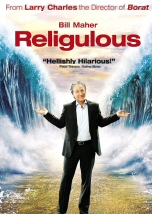
This highly controversial documentary explores the relationship between, Spirituality, Religion, and Psychedelics. Lead by 'Zappy' Zapolin, the film explores the many myths about reality, and includes first of its kind interviews with top spiritual gurus, celebrities, and people of all faiths, about this intriguing connection, and their personal experiences with spirituality and transcendence. Throughout history human beings have searched for gateways to spirituality that have included meditation, prayer, and natural substances. The Judeo Christian religions, Vedic traditions, and Shamanistic rituals, all incorporate techniques focused on transcending. Today scientists are able to measure the effects, real and perceived, on the human brain and mind. By exploring how to use the current knowledge and techniques available to society, we can tap into true spirituality, and awakening.
The film looks at the concept of the corporation throughout recent history up to its present-day dominance. Since the late 18th century American legal decision that the business corporation organizational model is legally a person, it has become a dominant economic, political and social force around the globe. This documentary takes an in-depth psychological examination of the organization model through various case studies. What the study illustrates is that in the its behaviour, this type of 'person' typically acts like a dangerously destructive psychopath without conscience. Furthermore, we see the profound threat this psychopath has for our world and our future, but also how the people with courage, intelligence and determination can do to stop it.
The setting alternates between prehistory and modern day times in which scientists study the fossilized remains of the creatures in the film. In 2009, a group of paleontologists discover a rare fossil in Kansas. The fossil was previously exposed by a summer rain, and it appears to be a marine reptile, tracing back over 70 million years. It was a female Dolichorhynchops and will be the inspiration for telling the story of Dolly, who travels the Kansas Inland Sea, 80 million years ago during the late Cretaceous period with her family. The film brings to life some of the most bizarre, ferocious and fascinating creatures to ever inhabit the ocean, incluing Tylosaurus, Xiphactinus, Cretoxyrhina, and Ammonite. It combines animation with recreations in a 3D prehistoric adventure. A journey to the bottom of the ancient oceans dramatizes awe-inspiring creatures.
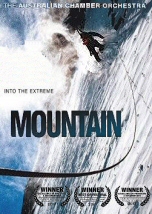
Jaw-dropping exploration of our obsessions with high places and how they have come to capture our imagination. Only three centuries ago, climbing a mountain would have been considered close to lunacy. The idea scarcely existed that wild landscapes might hold any sort of attraction. Peaks were places of peril, not beauty. Why, then, are we now drawn to mountains? Filmed by the world's leading high-altitude cinematographers, narrated by William Dafoe and set to a specially curated musical performance by the Australian Chamber Orchestra, Mountain captures the fierce beauty of some of the world's most treacherous landscapes and the awe they inspire.
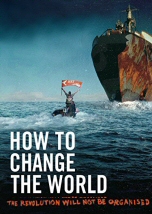
In 1971, a group of friends sail into a nuclear test zone, and their protest captures the world's imagination. It was from these humble but courageous beginnings that the global organisation that we now know as Greenpeace was born. Chronicling the fascinating untold story behind the modern environmental movement, this gripping new film tells the story of eco-hero Robert Hunter and how he, alongside a group of like-minded and idealistic young friends in the '70s, would be instrumental in altering the way we now look at the world and our place within it. Using never before seen archive that brings their extraordinary world to life, How To Change The World is the story of the pioneers who founded Greenpeace and defined the modern green movement.













The film develops as a narrative mystery with cinematic re-creations, interviews with key experts and witnesses and the examination of official artifacts from the 1994 case.