Professor Brian Cox joins Chris Lintott and the team to investigate one of the most intriguing new mysteries in modern astronomy. Observations from the James Webb Space Telescope have revealed hundreds of compact, extraordinarily bright objects known as “little red dots”, appearing less than a billion years after the Big Bang. Many may hide rapidly growing supermassive black holes, raising a profound question: how could such enormous objects have formed so early in cosmic history? The journey begins with the strange physics of black holes themselves, from event horizons and singularities to the supermassive black hole at the centre of the Milky Way and the gigantic black hole in the galaxy M87. With cosmologist Emma Chapman and Professor Sadegh Khochfar, the programme explores radical explanations for these ancient monsters, including primordial black holes born soon after the Big Bang and massive black holes formed directly from collapsing clouds of gas, bypassing stars altogether. Cutting-edge computer simulations recreate the first billion years of the universe and reveal how the earliest galaxies and black holes may have emerged within the cosmic web. These discoveries are forcing astronomers to reconsider not only how supermassive black holes grow, but how galaxies and the early universe itself evolved.
In the final two episodes of this series, the war enters its most devastating and transformative phase. As American forces endure the horrors of Okinawa and Japan refuses to surrender, President Harry Truman faces an almost unimaginable decision: whether to unleash the most terrible weapon ever created. The atomic bombings of Hiroshima and Nagasaki bring the conflict to a shocking end, but victory comes at a cost that will haunt humanity forever. With the Axis defeated, the world attempts to rebuild from unprecedented destruction. Yet the alliance between the United States and the Soviet Union rapidly collapses into suspicion and confrontation. From the division of Germany and the Berlin Blockade to the creation of NATO and the Soviet Union’s first atomic test, former allies become nuclear adversaries. The Second World War is over—but a new and even more dangerous struggle has begun, placing the entire world beneath the shadow of annihilation.
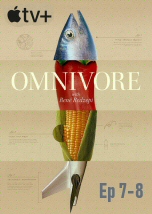
In the last two episodes of this series, you can see how coffee and corn open the door to stories far beyond what we consume every day. From the demanding journey of the coffee bean—shaped by history, craftsmanship and human effort—to the rise of corn from a sacred crop to a dominant force in global food systems, these episodes reveal how simple ingredients carry profound meaning. What begins as a look at familiar foods quickly becomes a deeper exploration of culture, industry and survival, uncovering the fragile balance behind what we eat and leaving a lasting sense of how much is at stake in the most ordinary things.
In the final two episodes of this season, Phil continues his joyful culinary adventure, discovering how food reveals the heart and traditions of remarkable cultures. With his trademark humor and curiosity, he shares unforgettable meals with locals whose stories bring every dish to life. First, Phil dives into the bold flavors of the Philippines, savoring sizzling pork sisig, sharing a lively roadside lunch with Jeepney drivers, and bravely joining his first traditional boodle fight, where friends gather around a table covered with food and eat together with their hands. The journey then takes him to Guatemala, where rich volcanic soil and vibrant traditions create an extraordinary culinary landscape. Traveling with Claudia, his family’s longtime babysitter and dear friend, Phil explores colorful markets, local dishes, and heartfelt connections that make this trip especially meaningful.
In the final two episodes, Stanley Tucci ventures into some of Italy’s most rugged and surprising landscapes, discovering how geography carves flavor into every bite. In a windswept sheep country, he grills mutton over open flames, savors French-influenced Sunday traditions, and traces the sweet, centuries-old origins of confetti, revealing how history and terrain combine to shape unexpected culinary treasures. It’s a journey where the land itself becomes the secret ingredient. The adventure continues in Lazio, where Tucci explores the powerful connection between countryside and capital. From Roman pizza to Ariccia’s legendary porchetta, from rustic fish soup to tender spring lamb, each dish reflects a cuisine rooted in simplicity yet elevated by elegance. These episodes celebrate the authenticity of regional food, showing how tradition, landscape, and community come together to define what it truly means to eat Italian.
Across the Arabian desert stretch mysterious stone structures, vast kite -shaped formations that have baffled scientists for generations. An international team of archaeologists now sets out to uncover their secrets, combining cutting-edge technology with traditional fieldwork to piece together clues buried beneath the sands. Their discoveries suggest that these enigmatic megastructures may have been used for hunting, ritual, or social gatherings—evidence of a sophisticated culture that thrived thousands of years before the pyramids. From Saudi Arabia’s rugged plateaus to Jordan’s Black Desert, each site reveals astonishing traces of human ingenuity and survival. Sweeping aerial vistas and gripping on-site discoveries immerse us in a mystery that challenges established timelines and forces us to reconsider how early civilizations shaped their world.

















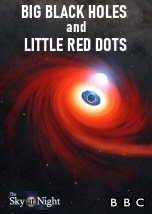






With cosmologist Emma Chapman and Professor Sadegh Khochfar, the programme explores radical explanations for these ancient monsters, including primordial black holes born soon after the Big Bang and massive black holes formed directly from collapsing clouds of gas, bypassing stars altogether. Cutting-edge computer simulations recreate the first billion years of the universe and reveal how the earliest galaxies and black holes may have emerged within the cosmic web. These discoveries are forcing astronomers to reconsider not only how supermassive black holes grow, but how galaxies and the early universe itself evolved.