Another year in the life of Diddly Squat Farm, run by Jeremy Clarkson, Britain's best-known but least-qualified amateur farmer. Season 2 of Clarkson’s Farm promises to be even better than the first as Clarkson and his rag tag group combat the public, the council, and the government. In the first episode, Clarkson attempts to diversify his farm's revenue sources (having made only £144 in the previous year) in an effort to increase his profits. He decides that his primary way of doing this will be a new herd of cows and promptly purchases several of the animals. However, the timing of when they will bring in money and the necessity of building an enclosure for them causes problems for Jeremy and Charlie. Meanwhile, inspired by the success of the farm shop, Clarkson has the idea to open a restaurant in the abandoned lambing barn to sell his beef and lamb, but he must deal with the cost of converting the barn and getting approval from the local council.
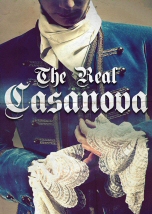
Giacomo Casanova has long been hailed as a lustful beast who romped his way around Europe bedding as many women as he could. He lived a life of adventure, comedy and drama and raised questions about human relationships and sexuality that are still relevant today. How has our view of him changed in these modern times? Although this reputation is well-deserved, it doesn't tell the whole story. Casanova was also a talented and charming cheat who consorted with figures across the social spectrum - from prostitutes and pimps, to kings.
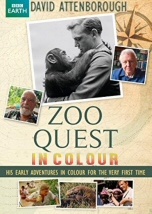
Thanks to a recent remarkable discovery in the BBC's Film Vaults, the best of David Attenborough's early Zoo Quest adventures can now be seen as never before - in colour - and with it the remarkable story of how this pioneering television series was made. First broadcast in December 1954, Zoo Quest was one of the most popular television series of its time and launched the career of the young David Attenborough as a wildlife presenter. Zoo Quest completely changed how viewers saw the world - revealing wildlife and tribal communities that had never been filmed or even seen before. Broadcast ten years before colour television was seen in the UK, Zoo Quest was thought to have been filmed in black and white. Until now. Using this extraordinary new-found colour film, together with new behind the scenes stories from David Attenborough and cameraman Charles Lagus, this 90 minute special showcases the very best of Zoo Quest to West Africa, Zoo Quest to Guiana and Zoo Quest for a Dragon in stunning HD colour for the very first time.
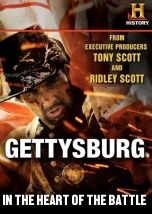
From executive producers Tony Scott and Ridley Scott comes a special about the battle that changed the course of the Civil War and the future of the Nation. ‘The world will little note, nor long remember, what we say here, but it can never forget what they did here.’ Abraham Lincoln's iconic Gettysburg Address frames this epic, feature-length History special. ‘Gettysburg’ looks at this battle from a visceral new perspective, not the generals who commanded from behind the frontlines, but that of the everyday soldiers who fought there, in a confrontation that changed the fate of the nation. Stripping away the romanticized veneer of past treatments, this special conveys new information and honors the sacrifice of those, both North and South, who fought and died there. Compelling CGI and powerful action footage place viewers in the midst of the fighting, delivering both an emotional cinematic experience and an information packed look at the turning points, technology, and little known facts of perhaps America's greatest battle. Raw, immersive and emotional, this groundbreaking event puts viewers inside the three-day battle where over 50,000 men paid the ultimate price.
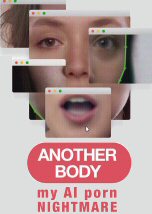
When 22-year-old American engineering student Taylor discovers that her face has been digitally altered to appear in online hardcore porn videos, she is devastated and doesn't know who to trust or what to do. The police tell Taylor that what this person did is not even a crime, but when she learns that a fellow student, Julia, has also been targeted, she and Julia take the investigation into their own hands, diving into the underground world of deepfake technology and discovering a society of men who terrorize women.
The risk of human extinction has never been higher. Recent years have seen a global pandemic, a renewed nuclear threat and runaway climate change. New research predicts a 1 in 6 chance that life as we know it won't make it to the end of this century. This compelling science documentary looks at the greatest risks to humanity and what we can do about it. Are we all doomed?




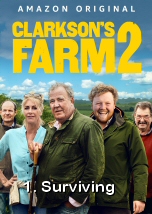
In the first episode, Clarkson attempts to diversify his farm's revenue sources (having made only £144 in the previous year) in an effort to increase his profits. He decides that his primary way of doing this will be a new herd of cows and promptly purchases several of the animals. However, the timing of when they will bring in money and the necessity of building an enclosure for them causes problems for Jeremy and Charlie. Meanwhile, inspired by the success of the farm shop, Clarkson has the idea to open a restaurant in the abandoned lambing barn to sell his beef and lamb, but he must deal with the cost of converting the barn and getting approval from the local council.