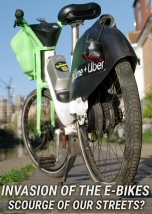
Electric bikes are transforming Britain’s streets, offering a fast and convenient way to travel, but the boom has also brought a growing wave of controversy. The documentary investigates the rise of illegal, high-powered e-bikes capable of speeds far beyond those allowed on public roads, examining dangerous riding, collisions, police seizures and the growing concern of pedestrians and other road users. It also looks at the blurred line between legal pedal-assist bikes and modified machines that behave more like motorbikes, asking whether current laws and enforcement can keep pace with a rapidly changing form of transport. As e-bikes become ever more common, the film explores whether they represent the future of urban mobility or a new threat on Britain’s streets.
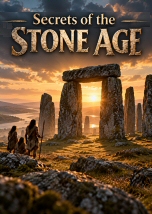
Around 12,000 years ago, humans began one of the most important transformations in history: the shift from hunting and gathering to farming and permanent settlements. Archaeological sites such as Gobekli Tepe reveal how these early communities lived, what they believed and how agriculture transformed diet, population and social life. Across Europe and the Middle East, prehistoric societies also created huge stone monuments, tombs and ceremonial sites, moving blocks weighing many tons with surprisingly limited technology. Presented here with both episodes combined into a single video, the documentary explores the birth of farming, organized communities, belief systems and monumental architecture during the Stone Age.
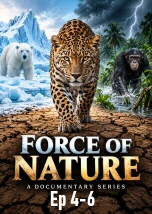
In the final three episodes, the series follows animals being pushed to the edge as melting ice, extreme heat and prolonged drought reshape the environments they depend on. In the Himalayas, a snow leopard is forced from familiar territory, while an Arctic ground squirrel in Alaska undertakes an extraordinary migration and a young Arctic fox in Svalbard faces her first winter alone. These cold-adapted animals must rapidly change behaviours that once worked for generations as their frozen worlds become increasingly unstable. The struggle then shifts to the opposite extreme, where wombats, leopards and kangaroo rats are tested by record heat and worsening drought, pushing their remarkable physical and behavioural adaptations to their limits. In the final episode, attention turns to the people working directly to help wildlife survive these new extremes, revealing rescue efforts, scientific interventions and conservation strategies in some of the planet’s harshest environments. Together, these final chapters show that survival now depends not only on the animals’ ability to adapt, but increasingly on how far humans are willing to go to protect them.
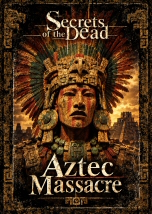
A mass grave at Zultepec, Mexico, containing more than 400 mutilated skeletons forces archaeologists to reconsider one of the most familiar stories of the Spanish conquest. Led by Aztec specialist Elizabeth Baquedano, the investigation follows forensic clues hidden in skulls, bones and artifacts to identify the victims and reconstruct what happened. Some remains prove to be European, including women, while Spanish-made iron objects and evidence of horses link the dead directly to the conquistadors who entered Mexico in the early sixteenth century. The evidence reveals a far more violent confrontation than the traditional image of an easy Spanish victory. Captured Spaniards and members of their entourage appear to have been imprisoned, ritually sacrificed, dismembered and, in some cases, consumed as part of ceremonial practices. By combining archaeology, forensic anthropology and Aztec codices, the documentary shows that indigenous resistance to the conquistadors could be organized, successful and terrifyingly effective, transforming Zultepec into crucial physical evidence of a conflict that history had long oversimplified.
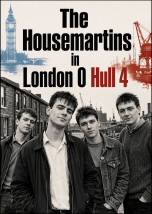
The Housemartins return to Hull during their breakthrough year of 1986 and revisit the places where the band began. Paul Heaton, Stan Cullimore, Norman Cook and Hugh Whitaker talk about forming the group, their sudden success and their determination to remain rooted in ordinary life despite growing fame. The film follows them through Hull, mixes informal conversations with rehearsals and performances, and includes songs such as Happy Hour, Sheep, Think for a Minute and Caravan of Love. The members also speak openly about their socialist views, religion, money and their distrust of the music industry, revealing the ideas behind their deliberately unglamorous image and sharply observant lyrics. Ending with a concert for their home audience, this documentary captures The Housemartins at the moment they were becoming nationally famous while still maintaining the humour, friendship and political convictions that defined the band.
Few managers have changed football as dramatically—or divided opinion as fiercely—as José Mourinho. From his explosive arrival at Chelsea in 2004, where confidence, tactical brilliance and relentless ambition quickly earned him the name The Special One, this documentary follows the rise of a coach who turned winning into an obsession and himself into one of the most recognizable figures in world sport. Frank Lampard, John Terry, Sir Alex Ferguson and other key voices recall the intensity of those early years, while Mourinho reflects on the victories, power struggles and confrontations that shaped both his teams and his reputation. The story then moves through his extraordinary triumphs at Inter Milan and the ferocious challenge of Real Madrid, where he set out to break Barcelona’s dominance and reignite one of football’s greatest rivalries. Zlatan Ibrahimović, Luís Figo, Iker Casillas, Samuel Eto’o and others offer an insider’s view of a manager capable of inspiring fierce loyalty, provoking bitter conflict and transforming the mentality of entire clubs. Presented here with all three episodes combined into a single video, viewers can follow the complete journey without interruption—from the birth of “The Special One” to the battles, trophies, controversies and personal sacrifices that made Mourinho one of football’s most successful and compelling managers.













It also looks at the blurred line between legal pedal-assist bikes and modified machines that behave more like motorbikes, asking whether current laws and enforcement can keep pace with a rapidly changing form of transport. As e-bikes become ever more common, the film explores whether they represent the future of urban mobility or a new threat on Britain’s streets.