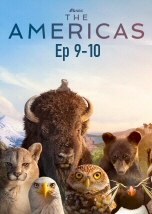
In the final two episodes, the journey reaches the Pacific edge of North America and the remote wilderness of Patagonia, two spectacular regions shaped by powerful oceans, towering forests and extreme weather. Along the West Coast, wolves comb the shoreline for food, sea otters battle crashing surf, blue whales gather in a rare display of speed and movement, and giant Pacific octopuses devote everything to protecting the next generation. High in the redwood canopy, even tiny salamanders perform extraordinary leaps to survive, revealing how life has adapted to one of the continent’s most dramatic coastal environments. The series then travels to the far south of the Americas, where Patagonia delivers a fittingly wild finale. Pumas stalk guanacos through snowy mountains, rockhopper penguins fight their way through violent waves to reach their colonies, giant stag beetles climb immense trees to compete for mates, and elephant seals clash for dominance along the coast. In one of the most remarkable scenes, a family of orcas passes down a dangerous hunting technique from one generation to the next, showing how survival here depends not only on strength, but also on experience, cooperation and learning.
In the final two episodes, the documentary investigates the immense geological forces that continue to reshape our planet. Scientists and adventurers travel to Guatemala's Volcán de Fuego, one of the most active volcanoes on Earth, capturing spectacular eruptions, rivers of lava, and towering ash clouds from astonishingly close range. Along the way, the series reveals how volcanoes are formed, how tectonic plates trigger earthquakes and tsunamis, and how volcanic activity can even create entirely new islands in the middle of the ocean. The journey then turns to one of nature's most breathtaking displays: the Aurora Borealis. In the frozen landscapes of northern Sweden, scientists uncover how powerful storms on the Sun send streams of charged particles towards Earth, illuminating the night sky with vast curtains of color. Combining stunning footage with cutting-edge research, the documentary explores solar activity, space weather, eclipses, and the remarkable connection between our planet and the forces that originate far beyond its atmosphere.
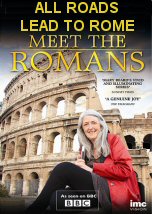
The film takes you on a journey through the four Papal Basilicas in Rome and their treasures: St. Peter’s (one of the 25 destinations most visited by travelers from all over the world), St. John in the Lateran, St. Mary Major and St. Paul Outside the Walls. Four majestic buildings – each with a precious papal altar, each a treasure trove of timeless works of art and a destination for millions of travelers and pilgrims over the centuries – play the leading role in a new film tour that has been recognized as a work of cultural interest by the film board of the Ministry of Culture, Heritage and Tourism.
In the last two episodes of this series, you can see how coffee and corn open the door to stories far beyond what we consume every day. From the demanding journey of the coffee bean—shaped by history, craftsmanship and human effort—to the rise of corn from a sacred crop to a dominant force in global food systems, these episodes reveal how simple ingredients carry profound meaning. What begins as a look at familiar foods quickly becomes a deeper exploration of culture, industry and survival, uncovering the fragile balance behind what we eat and leaving a lasting sense of how much is at stake in the most ordinary things.
In the final two episodes of this season, Phil continues his joyful culinary adventure, discovering how food reveals the heart and traditions of remarkable cultures. With his trademark humor and curiosity, he shares unforgettable meals with locals whose stories bring every dish to life. First, Phil dives into the bold flavors of the Philippines, savoring sizzling pork sisig, sharing a lively roadside lunch with Jeepney drivers, and bravely joining his first traditional boodle fight, where friends gather around a table covered with food and eat together with their hands. The journey then takes him to Guatemala, where rich volcanic soil and vibrant traditions create an extraordinary culinary landscape. Traveling with Claudia, his family’s longtime babysitter and dear friend, Phil explores colorful markets, local dishes, and heartfelt connections that make this trip especially meaningful.
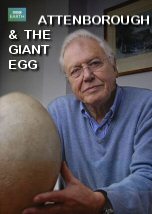
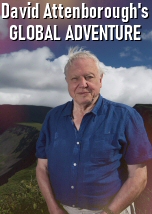
In his mid-eighties, when many believed his journey was winding down, David Attenborough embarked on a bold new chapter in natural history filmmaking. This adventure traces the epic story of life on Earth, from the first organisms that flourished on ancient seabeds hundreds of millions of years ago to the astonishing biodiversity of today. Revisiting iconic landscapes and harnessing cutting-edge technology, Attenborough reveals how our planet’s living tapestry was shaped across deep time. The three episodes can be enjoyed together in a single continuous viewing, creating one sweeping journey across continents and oceans. From the Galápagos Islands to the caves of Borneo, from China’s ancient tropics to the Great Barrier Reef, the series follows Attenborough’s global quest to understand how life rose, adapted, and endured. It is a grand exploration of evolution, resilience, and the fragile beauty of the world we inherit.



















The series then travels to the far south of the Americas, where Patagonia delivers a fittingly wild finale. Pumas stalk guanacos through snowy mountains, rockhopper penguins fight their way through violent waves to reach their colonies, giant stag beetles climb immense trees to compete for mates, and elephant seals clash for dominance along the coast. In one of the most remarkable scenes, a family of orcas passes down a dangerous hunting technique from one generation to the next, showing how survival here depends not only on strength, but also on experience, cooperation and learning.