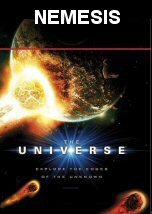



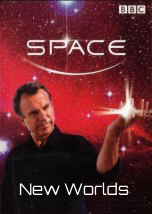


New discoveries have rewritten the history of our solar system, revealing a complex and violent story that begins with the birth of our Sun from the debris of a massive galactic collision, to its eventual fate as a lone zombie star. It is a dramatic history of elegant beauty and extreme violence. The inner solar system was like a congested highway. Planets crossing lanes, frequent collisions. There were a lot of planets that could have made it but didn't, and we just happen to be one of the lucky ones that did. The players in our solar system's story are more tangled up than we ever imagined. Without all of these things interplaying, the Earth wouldn't have the stable environment that we have today, and life wouldn't be able to exist.
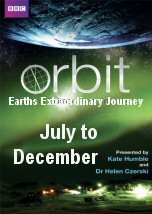
As summer spreads across our planet, honey bees toil, snow geese breed, tadpoles awaken and lions stalk wildebeest in search of lush grass. Our planet is solar-powered. But due to the Earth's tilt, it doesn't strike its surface evenly. This solar energy arrives in varying amounts at different times of the year. The huge increase that comes with summer also triggers countless migrations.
Some animals give their young the best start in life by making truly astonishing journeys. And it's not only where they go that's important but when. Left to fend for themselves until they find their footing, baby sea turtles, elephant seal pups, pumas and crabs bravely trek towards adolescence.
For many animals, the instinct to move is overwhelming, despite the dangers. But for every trip that ends in tragedy, countless millions reach their destination. Allowing them to reap the rewards of better conditions and fresh opportunities. However, we have now changed the planet. Cutting off ancestral routes and impacting even the most remote corners of the globe. But there is hope. We know more about these journeys than ever before. And with our help, many animals are now overcoming the challenges of our modern world. For a healthy and connected planet, we must preserve the freedom to move.
David Attenborough explores the continent of Europe - a crowded continent transformed by mankind, capturing the challenges and triumphs of its wildlife. The documentary showcases remarkable scenes, from pelicans engaging in coordinated fishing tactics to the resilient Iberian lynx fighting for survival. Amidst Europe's evolving environment shaped by human impact, it emphasizes the importance of protecting wilderness to ensure the future of the continent's precious wildlife. We will watch surprising encounters with elusive predators like wolves and lynxes living remarkably close to human communities. The documentary offers a unique glimpse into the intricacies of Europe's ecosystems and the delicate balance between its inhabitants and the changing world around them.
Millions of years ago incredible forces ripped apart the Earth's crust creating our seven continents - each with its own distinct climate, its own distinct terrain and its own unique animal life. From the colourful paradise of South America to the scorching heat of Africa, ‘Seven Worlds, One Planet’ showcases the true character of each continent in turn and reveals just how it has shaped all life there. Be surprised by unexpected stories. Marvel at iconic landscapes. And be awestruck by spectacular wildlife. This series is an eye-opening journey around a world you thought you knew. The snowy shores and icy waters of Antarctica are home to some of the most amazing and unusual wildlife in the world. However, even here, many species face extinction due to rapid climate change and overhunting.
It is a dramatic history of elegant beauty and extreme violence. The inner solar system was like a congested highway. Planets crossing lanes, frequent collisions. There were a lot of planets that could have made it but didn't, and we just happen to be one of the lucky ones that did. The players in our solar system's story are more tangled up than we ever imagined. Without all of these things interplaying, the Earth wouldn't have the stable environment that we have today, and life wouldn't be able to exist.