In the final two episodes of the series, the reptile trade enters a new and even more lucrative era. After prison, Tommy Crutchfield returns to find an industry transformed by the rise of genetically altered “morphs”, rare colour and pattern variations that can sell for enormous sums. What appears to be a more legitimate breeding business quickly collides again with illegal trafficking, as Operation Chameleon begins to expose the international network linking collectors, dealers and even major zoological institutions. The investigation then closes in on Anson Wong, the Malaysian trafficker described as one of the most powerful figures in the global reptile trade. As U.S. Fish and Wildlife agents work undercover to penetrate his organization, the story expands from rare snakes and lizards to critically endangered species such as the ploughshare tortoise, whose extraordinary black-market value has helped drive it toward extinction in the wild. These final episodes reveal how obsession, vast profits, corruption and international demand can turn the pursuit of exotic animals into a criminal empire with devastating consequences for wildlife.
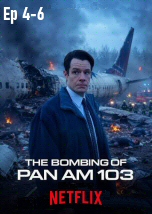
In the final three episodes, the investigation takes a decisive turn when the Frankfurt luggage records and bomb-damaged clothing recovered from the wreckage lead Scottish detectives to Malta. A small clothes shop and the memory of a mysterious customer begin to connect the bomb to a wider international network, while cooperation between Scottish police, the FBI and the CIA becomes increasingly strained. As investigators follow the trail toward Libya, a secret CIA source and similarities with another aircraft bombing appear to offer the breakthrough they have been searching for. More than a decade after Pan Am Flight 103 was destroyed, the case finally reaches the courtroom. Following years of political negotiation, two Libyan suspects stand trial under Scottish law at Camp Zeist in the Netherlands. But the prosecution still depends on fragile witness testimony and painstaking forensic evidence assembled across several countries. As key witnesses are challenged and doubts emerge, the series builds toward a tense question that has haunted the victims’ families since 1988: will the investigation finally deliver justice?
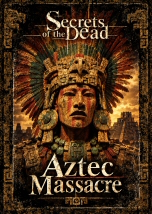
A mass grave at Zultepec, Mexico, containing more than 400 mutilated skeletons forces archaeologists to reconsider one of the most familiar stories of the Spanish conquest. Led by Aztec specialist Elizabeth Baquedano, the investigation follows forensic clues hidden in skulls, bones and artifacts to identify the victims and reconstruct what happened. Some remains prove to be European, including women, while Spanish-made iron objects and evidence of horses link the dead directly to the conquistadors who entered Mexico in the early sixteenth century. The evidence reveals a far more violent confrontation than the traditional image of an easy Spanish victory. Captured Spaniards and members of their entourage appear to have been imprisoned, ritually sacrificed, dismembered and, in some cases, consumed as part of ceremonial practices. By combining archaeology, forensic anthropology and Aztec codices, the documentary shows that indigenous resistance to the conquistadors could be organized, successful and terrifyingly effective, transforming Zultepec into crucial physical evidence of a conflict that history had long oversimplified.
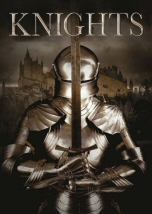
From ordinary mounted warriors to the legendary figures who came to embody courage, honour and chivalry, medieval knights dominated European life for centuries. Through dramatic reconstructions, historical experiments and surviving evidence, this series reveals the harsh reality behind the romantic image: brutal battles and personal feuds, swordsmanship and tournaments, the construction and defense of castles, courtly love and the strict codes of honour that could turn an insult into a fight to the death. It also follows knights to the Holy Land, where crusaders risked everything in pursuit of glory, wealth and salvation, while figures such as John of Bohemia and Joan of Arc show how courage and legend became inseparable from the medieval warrior. Presented here as all three episodes consecutively in a single video, the complete story also reveals how the world that created the knight eventually destroyed him. The rise of robber knights such as Götz von Berlichingen, the spread of mercenary warfare and increasingly spectacular tournaments mark the final years of an old order, while longbows, cannon, artillery and massed infantry transform the battlefield forever. Emperor Maximilian, celebrated as the “Last of the Knights,” embraces these new weapons even as he glorifies the traditions of chivalry. By the end, the armoured horseman who had ruled castles, battlefields and entire communities for centuries has become obsolete in war—but immortal in legend.
Captured during her Manchester shows on a sold-out world tour, this concert film brings Billie Eilish closer than ever, turning the stage into a dark, emotional and visually hypnotic space where every whisper, scream, silence and movement feels intensely personal. Co-directed with James Cameron, the film transforms a live performance into a cinematic experience, surrounding the audience with the atmosphere, scale and intimacy of one of the most distinctive artists of her generation. More than a concert recording, it becomes a journey through the sound and emotion of Hit Me Hard and Soft, where fragile ballads, explosive moments, dreamlike lighting and the roar of thousands of fans collide in one powerful experience. Billie moves between vulnerability and confidence, loneliness and connection, softness and strength, creating a show that feels both massive and intimate. The film invites viewers not just to watch the performance, but to feel as though they are part of it.
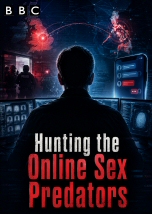
James Blake returns to the front line of online crime to investigate one of the darkest threats facing young people today: a hidden world of sextortion, grooming, harmful algorithms, and sexual exploitation moving across social media platforms with frightening speed. What begins with victims in the UK and warnings from police, experts, and whistle-blowers soon reveals a much larger and more disturbing picture, where online predators, organized networks, and global demand turn private screens into places of fear, blackmail, and abuse. The investigation takes him from Britain to the Philippines, where he joins a specialist international task force during police operations targeting livestreamed sexual exploitation linked to offenders abroad. Through survivor testimony, frontline officers, digital evidence, and the reality of raids on suspected abusers, the documentary exposes how technology, money, and anonymity can connect criminals thousands of miles away with vulnerable children. Urgent, shocking, and deeply human, it asks who is really protecting young people when the worst crimes online are only a few clicks away.










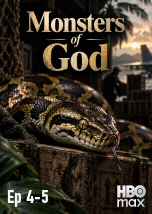



The investigation then closes in on Anson Wong, the Malaysian trafficker described as one of the most powerful figures in the global reptile trade. As U.S. Fish and Wildlife agents work undercover to penetrate his organization, the story expands from rare snakes and lizards to critically endangered species such as the ploughshare tortoise, whose extraordinary black-market value has helped drive it toward extinction in the wild. These final episodes reveal how obsession, vast profits, corruption and international demand can turn the pursuit of exotic animals into a criminal empire with devastating consequences for wildlife.