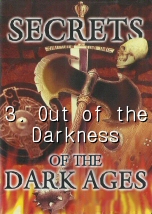
The third assault on the tattered remains of Roman civilization came from even further North, where the melting glacial ice had created immense sheltered fjords, leaving its inhabitants little choice but the sea. These fearless navigators understood that dominion over the oceans was the key to their ambitions. Where the Romans expanded incrementally, the Vikings adopted a bolder, more aggressive approach. So was it the Dark Age which failed Europe, or the stifling uniformity of the great Roman experiment? Were the lost tribes more victim than failure? Richard Rudgley will hope to shed new light on the real secrets of the so-called Dark Age.
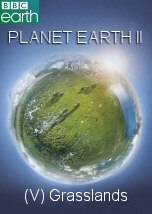
Grasslands cover one quarter of all land and support the vast gatherings of wildlife, but to survive here animals must endure the most hostile seasonal changes on the planet. From Asia's bizarre-looking Saiga antelope to the giant anteaters of Brazil, grassland animals have adapted in extraordinary ways to cope with these extremes. In the flooded Okavango, lions take on formidable buffalo in epic battles, on the savannah bee-eaters take advantage of elephants to help catch insects and, on the freezing northern tundra, caribou embark on great migrations shadowed by hungry Arctic wolves.
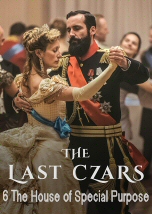
Nicholas II abdicates, and civil war erupts. In May 1918, a year after the revolution, the Bolsheviks sent Anastasia, Alexei, Tatiana and Olga to join the rest of the family in Ekaterinburg. They're put in the Ipatiev mansion and It's given the name 'The House of Special Purpose.' As pro-royalist forces close in on the house where the Romanovs are imprisoned, the family's fate is sealed.
Episode 4 rounds everything out while simultaneously focusing on his career and the next steps. After a performance tribute to Jamal, Ed and Cherry get good news and reflect on a turbulent year.
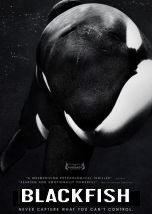
The story of Tilikum, a captive killer whale that has taken the lives of several people , including a top killer whale trainer, underscores the consequences of keeping these powerful animals in captivity, the problems within the sea-park industry, the man's relationship to nature, and how little has been learned about these highly intelligent and sentient mammals. Tilikum was captured in the northern Atlantic Ocean in 1983 and taken to Sealand of the Pacific, a now-shuttered park near Victoria, British Columbia. Former Sealand trainers interviewed in 'Blackfish' say the park’s female killer whales would aggressively gang up on Tilikum, particularly when they were confined in a 20-foot-by- 30-foot pool overnight.
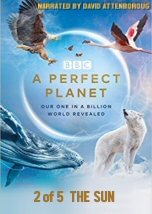
From the frozen poles to the searing deserts, this episode shows how animals have come up with strategies to survive the uneven amounts of sunlight that fall on our planet over the course of a year. The exception is on the equator, where the duration of day and night remain the same throughout the year. Here, this guaranteed sunlight drives the great diversity of life in the tropical jungles.








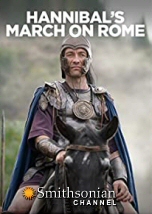


Where the Romans expanded incrementally, the Vikings adopted a bolder, more aggressive approach. So was it the Dark Age which failed Europe, or the stifling uniformity of the great Roman experiment? Were the lost tribes more victim than failure? Richard Rudgley will hope to shed new light on the real secrets of the so-called Dark Age.