In the final two episodes, the journey reaches the Pacific edge of North America and the remote wilderness of Patagonia, two spectacular regions shaped by powerful oceans, towering forests and extreme weather. Along the West Coast, wolves comb the shoreline for food, sea otters battle crashing surf, blue whales gather in a rare display of speed and movement, and giant Pacific octopuses devote everything to protecting the next generation. High in the redwood canopy, even tiny salamanders perform extraordinary leaps to survive, revealing how life has adapted to one of the continent’s most dramatic coastal environments. The series then travels to the far south of the Americas, where Patagonia delivers a fittingly wild finale. Pumas stalk guanacos through snowy mountains, rockhopper penguins fight their way through violent waves to reach their colonies, giant stag beetles climb immense trees to compete for mates, and elephant seals clash for dominance along the coast. In one of the most remarkable scenes, a family of orcas passes down a dangerous hunting technique from one generation to the next, showing how survival here depends not only on strength, but also on experience, cooperation and learning.
In the final three episodes of the series, Chris Packham follows three extraordinary evolutionary journeys to discover how the relentless demands of survival transformed simple early animals into some of the most remarkable creatures alive today. In Borneo, the voracious appetite of the bat leads back more than half a billion years to the origins of the through-gut, the first anus, heads and jaws, revealing how the need to find and consume food helped reshape animal life and ultimately produced the bat’s extraordinary powers of hearing. In the Bahamas, the intelligence of dolphins opens an even deeper story: from ancient cells able to sense light to the evolution of eyes, complex brains, sophisticated senses and the remarkable minds of modern dolphins. The journey culminates with one of nature’s supreme athletes. Tracing the horse’s ancestry through hundreds of millions of years, Packham reveals how primitive muscle cells evolved into increasingly powerful systems for movement, how beating hearts supplied those muscles with oxygen, and how limbs became ever more effective tools for locomotion. Slithering, swimming, walking and running eventually converge in an animal built for extraordinary speed and endurance. Together, these final episodes reveal a breathtaking truth: hunger, perception and movement were not merely necessities of survival—they were powerful evolutionary forces that helped create the astonishing complexity of animal life.
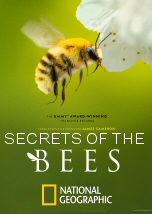
A hidden world unfolds as cutting-edge cameras follow bees closer than ever before, revealing the inner workings of their hives and the intelligence behind their behavior. Over several years, the documentary captures how these tiny pollinators build, communicate, and survive through changing seasons, while playing a critical role in sustaining a third of the food we depend on. Along the way, it exposes the growing threats they face and why their survival is essential for the balance of life on Earth. Both episodes of this series are combined into a single video, so you can experience the full story in one continuous viewing. With never-before-seen footage and expert insight, it offers a clear and fascinating look at one of nature’s most important—and most overlooked—species.
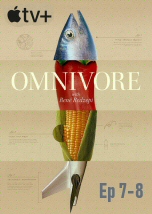
In the last two episodes of this series, you can see how coffee and corn open the door to stories far beyond what we consume every day. From the demanding journey of the coffee bean—shaped by history, craftsmanship and human effort—to the rise of corn from a sacred crop to a dominant force in global food systems, these episodes reveal how simple ingredients carry profound meaning. What begins as a look at familiar foods quickly becomes a deeper exploration of culture, industry and survival, uncovering the fragile balance behind what we eat and leaving a lasting sense of how much is at stake in the most ordinary things.
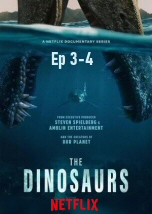
In the final two episodes of the series, produced by Steven Spielberg and narrated by Morgan Freeman, the Age of Dinosaurs reaches its most spectacular and dangerous chapter. After a harsh freeze reshapes life on Earth, the Cretaceous world emerges with rising seas, scattered islands and new hunting grounds where giant reptiles thrive. Pterosaurs glide across the skies searching for food while powerful predators patrol land and ocean in a planet completely ruled by dinosaurs. Among these rulers stands the most formidable hunter of all — Tyrannosaurus rex. Yet while these giants dominate the Earth, the planet itself is slowly changing. Continents drift apart, ecosystems evolve and an unseen threat begins its silent journey through space, foreshadowing the catastrophic event that will one day end the age of dinosaurs.
In the final two episodes of this season, Phil continues his joyful culinary adventure, discovering how food reveals the heart and traditions of remarkable cultures. With his trademark humor and curiosity, he shares unforgettable meals with locals whose stories bring every dish to life. First, Phil dives into the bold flavors of the Philippines, savoring sizzling pork sisig, sharing a lively roadside lunch with Jeepney drivers, and bravely joining his first traditional boodle fight, where friends gather around a table covered with food and eat together with their hands. The journey then takes him to Guatemala, where rich volcanic soil and vibrant traditions create an extraordinary culinary landscape. Traveling with Claudia, his family’s longtime babysitter and dear friend, Phil explores colorful markets, local dishes, and heartfelt connections that make this trip especially meaningful.

















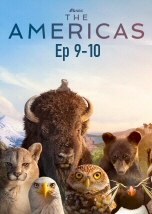






The series then travels to the far south of the Americas, where Patagonia delivers a fittingly wild finale. Pumas stalk guanacos through snowy mountains, rockhopper penguins fight their way through violent waves to reach their colonies, giant stag beetles climb immense trees to compete for mates, and elephant seals clash for dominance along the coast. In one of the most remarkable scenes, a family of orcas passes down a dangerous hunting technique from one generation to the next, showing how survival here depends not only on strength, but also on experience, cooperation and learning.