Orbiting Earth at around 27.000 km/h, the International Space Station is one of humanity’s greatest engineering achievements, but also one of the most unforgiving places ever built. Astronauts and mission controllers recount moments when routine work suddenly became a fight for survival: a spacesuit filling with water, toxic ammonia spraying across a spacewalker, dangerous temperature extremes, radiation, fire, contamination and the constant threat of collision. The series reveals how every mission depends on training, improvisation and split-second decisions in an environment where even a small failure can become fatal. Across the two episodes, presented here together in a single uninterrupted video, the danger escalates from the hazardous construction and maintenance of the station to the growing risks of life aboard it. Astronauts face micrometeoroids and space debris travelling at lethal speeds, docking emergencies and system failures, culminating in the extraordinary 2021 incident when the newly arrived Nauka module unexpectedly fired its thrusters and sent the entire ISS rotating out of control. With communications at risk and the structure under immense strain, crews in orbit and controllers on Earth must work together to regain control. The result is a gripping story of courage, science and survival inside a machine that has kept humans continuously living in space for more than two decades.
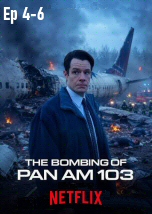
In the final three episodes, the investigation takes a decisive turn when the Frankfurt luggage records and bomb-damaged clothing recovered from the wreckage lead Scottish detectives to Malta. A small clothes shop and the memory of a mysterious customer begin to connect the bomb to a wider international network, while cooperation between Scottish police, the FBI and the CIA becomes increasingly strained. As investigators follow the trail toward Libya, a secret CIA source and similarities with another aircraft bombing appear to offer the breakthrough they have been searching for. More than a decade after Pan Am Flight 103 was destroyed, the case finally reaches the courtroom. Following years of political negotiation, two Libyan suspects stand trial under Scottish law at Camp Zeist in the Netherlands. But the prosecution still depends on fragile witness testimony and painstaking forensic evidence assembled across several countries. As key witnesses are challenged and doubts emerge, the series builds toward a tense question that has haunted the victims’ families since 1988: will the investigation finally deliver justice?
In the final two episodes, the chaos reaches a terrifying new scale. The hacker calls in a bomb threat on a plane carrying a Sony executive, forcing an emergency landing, and later brings down PlayStation and Xbox servers on Christmas Day, paralyzing millions of gamers worldwide. After one of the largest healthcare data breaches in history, European authorities working closely with the FBI begin to track their elusive suspect. What follows is an international manhunt that exposes the thin line between youthful defiance and cyberterrorism.
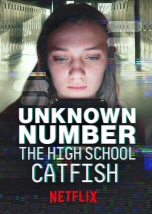
In a quiet Midwestern town, two teenagers find their lives consumed by a wave of anonymous, harassing texts. What begins as a few unsettling messages turns into a relentless campaign of threats, sexual insinuations, and cruelty that lasts for more than a year. As fear spreads, parents, friends, and teachers struggle to protect the victims and uncover who is behind the screen, while suspicion and paranoia slowly tear their community apart. When investigators finally trace the source of the messages, the truth is more shocking than anyone imagined. With real footage, police evidence, and emotional testimonies, this documentary exposes how betrayal can come from within and how digital manipulation can turn trust into terror. It is an intimate and disturbing portrait of a family unraveling in the age of constant connectivity.
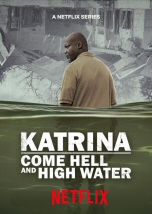
All three episodes of this remarkable series are presented together in a single video on our website. This powerful documentary gives voice to the people of New Orleans, from the terror and chaos of the storm to the long, painful aftermath. As Hurricane Katrina approaches, the city orders a voluntary evacuation that soon becomes mandatory, but for many it is already too late. Trapped by rising waters, stranded in shelters like the Superdome, powerless without federal help, thousands are forced to endure the unendurable. Yet it is also a story of resilience, of neighbors helping neighbors, of grief and recovery. Two decades later, survivors reflect on what they lost and how their culture and communities have been forever changed. With rare footage and emotional testimonies, this film becomes essential viewing.
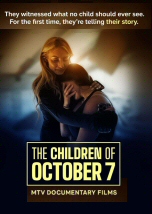
Children who endured the October 7 attacks open up with raw honesty about moments that changed their lives forever. They recall armed men breaking into their homes, terrifying hours in hiding, the nightmare of captivity, and the unbearable loss of parents torn from them in an instant. Guided by activist Montana Tucker, their stories weave together fragments of fear, grief, and resilience, showing not only what was stolen but also the strength it takes to keep going. Without sensationalism, their voices confront viewers with the reality of trauma through the eyes of the youngest survivors, leaving a lasting reminder of both human cruelty and human courage.










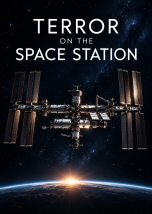




Across the two episodes, presented here together in a single uninterrupted video, the danger escalates from the hazardous construction and maintenance of the station to the growing risks of life aboard it. Astronauts face micrometeoroids and space debris travelling at lethal speeds, docking emergencies and system failures, culminating in the extraordinary 2021 incident when the newly arrived Nauka module unexpectedly fired its thrusters and sent the entire ISS rotating out of control. With communications at risk and the structure under immense strain, crews in orbit and controllers on Earth must work together to regain control. The result is a gripping story of courage, science and survival inside a machine that has kept humans continuously living in space for more than two decades.