As climate chaos intensifies, animals across the planet are being pushed into conditions their bodies and instincts were never designed to face. Floods arrive where drought once ruled, storms grow stronger, seas warm and familiar habitats disappear. Narrated by Andrew Lincoln, this six-part natural history series follows wildlife confronting these extremes at close range, revealing not only the destructive power of a changing climate but also the extraordinary ingenuity, resilience and adaptability animals use to survive. In the first three episodes, the struggle begins on an increasingly extreme Earth. Burrowing owls on the North American Great Plains race to protect their chicks from tornadoes, cheetahs in Kenya battle record floods, polar bears search for vanishing sea ice and chimpanzees survive severe drought by digging their own filtered water holes. Rising waters then transform entire ecosystems: pygmy elephants face monsoon floods in Borneo, a platypus is swept into a violent flash flood in Australia, and a lone lioness in the Kalahari turns an unexpected flood into a rare hunting opportunity. Finally, along the world’s coasts, Caribbean flamingos confront a category-five hurricane, anole lizards cling on through violent winds, California sea otters struggle through huge storms and collapsing kelp forests, while clownfish on the Great Barrier Reef face a marine heatwave that threatens the very anemones on which their families depend.
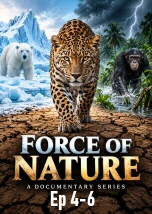
In the final three episodes, the series follows animals being pushed to the edge as melting ice, extreme heat and prolonged drought reshape the environments they depend on. In the Himalayas, a snow leopard is forced from familiar territory, while an Arctic ground squirrel in Alaska undertakes an extraordinary migration and a young Arctic fox in Svalbard faces her first winter alone. These cold-adapted animals must rapidly change behaviours that once worked for generations as their frozen worlds become increasingly unstable. The struggle then shifts to the opposite extreme, where wombats, leopards and kangaroo rats are tested by record heat and worsening drought, pushing their remarkable physical and behavioural adaptations to their limits. In the final episode, attention turns to the people working directly to help wildlife survive these new extremes, revealing rescue efforts, scientific interventions and conservation strategies in some of the planet’s harshest environments. Together, these final chapters show that survival now depends not only on the animals’ ability to adapt, but increasingly on how far humans are willing to go to protect them.

















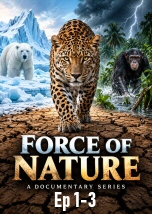





In the first three episodes, the struggle begins on an increasingly extreme Earth. Burrowing owls on the North American Great Plains race to protect their chicks from tornadoes, cheetahs in Kenya battle record floods, polar bears search for vanishing sea ice and chimpanzees survive severe drought by digging their own filtered water holes. Rising waters then transform entire ecosystems: pygmy elephants face monsoon floods in Borneo, a platypus is swept into a violent flash flood in Australia, and a lone lioness in the Kalahari turns an unexpected flood into a rare hunting opportunity. Finally, along the world’s coasts, Caribbean flamingos confront a category-five hurricane, anole lizards cling on through violent winds, California sea otters struggle through huge storms and collapsing kelp forests, while clownfish on the Great Barrier Reef face a marine heatwave that threatens the very anemones on which their families depend.