Prepare yourself for a groundbreaking series that reveals a spectacular new space-based vision of our planet. Cameras in space will tell stories of life on our planet from a brand new perspective. Satellites follow an elephant family struggling through drought, reveal previously unknown emperor penguin colonies from the colour of their poo, and discover mysterious ice rings that could put seal pups in danger. Using cameras on the ground, in the air and in space, Earth from Space follows nature’s greatest spectacles, weather events and dramatic seasonal changes. This is our home, as we’ve never seen it before.
A daring covert operation, a decade of relentless pursuit, and the manhunt that changed history. This gripping documentary pulls back the curtain on the classified strategies, intelligence breakthroughs, and high-stakes decisions that led to one of the most consequential missions of the 21st century. With exclusive access to military insiders, CIA analysts, and rarely seen footage, it reconstructs the tense hours before the raid and the global aftermath that followed. All three episodes of this riveting series are available now on our website—immerse yourself in the full story as it unfolds from start to finish.
Sir David Attenborough presents Asia, an epic seven-part series that takes viewers on an extraordinary journey through the vast and diverse landscapes of the largest continent on Earth. From snow-capped mountain ranges and ancient forests to searing deserts and rich coastlines, this groundbreaking series reveals the astonishing wildlife and hidden natural wonders that define Asia’s breathtaking beauty and complexity. The adventure begins in spectacular fashion beneath the surface of Asia’s oceans. In this visually stunning first episode, we dive into a world few have seen—an underwater realm filled with vibrant coral gardens, mysterious sunken ruins, and pristine marine habitats untouched by time. Alongside renowned marine scientists and local experts, we encounter majestic whale sharks, soaring manta rays, ancient sea turtles, glowing jellyfish, and otherworldly nudibranchs. But as we uncover the secrets of these magical ecosystems, we also face the urgent environmental challenges that threaten their survival. Awe-inspiring and thought-provoking, this opening episode sets the tone for a series that is as visually dazzling as it is vital to understanding the future of our natural world.
In 1940, France has fallen and Hitler orders Operation Sealion, the invasion of Great Britain. But first the Luftwaffe must defeat the RAF for seaborne landings to succeed. In July 1940 an epic struggle in the skies above England begins. Only a brilliant defensive system and the bravery of young pilots stand in the Luftwaffe’s way. Wave after wave of German bombers are attacked by British planes. Featuring the last interview with the youngest Spitfire-pilot in the battle, Geoffrey Wellum.
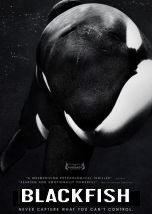
The story of Tilikum, a captive killer whale that has taken the lives of several people , including a top killer whale trainer, underscores the consequences of keeping these powerful animals in captivity, the problems within the sea-park industry, the man's relationship to nature, and how little has been learned about these highly intelligent and sentient mammals. Tilikum was captured in the northern Atlantic Ocean in 1983 and taken to Sealand of the Pacific, a now-shuttered park near Victoria, British Columbia. Former Sealand trainers interviewed in 'Blackfish' say the park’s female killer whales would aggressively gang up on Tilikum, particularly when they were confined in a 20-foot-by- 30-foot pool overnight.
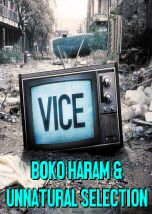
The terrorist group Boko Haram is responsible for thousands of deaths in Nigeria. Now, the government is determined to drive these militants from the country. But is the hunt for insurgents causing as much harm as it's preventing? Former Navy SEAL and new VICE correspondent Kaj Larsen travels to Nigeria to see what this cat-and-mouse game means for the people caught in the middle of the fight.
'Unnatural Selection': For centuries, scientists have been working to change the genetic traits of plants and animals. Now, the new gene-editing method CRISPR has made that process astonishingly simple - so simple it could easily be used on humans. Isobel Yeung reports from Brazil, Scotland, China and the U.S. on the technological advances that could reshape evolution as we know it.








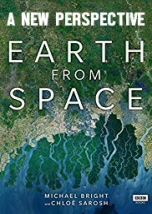






Satellites follow an elephant family struggling through drought, reveal previously unknown emperor penguin colonies from the colour of their poo, and discover mysterious ice rings that could put seal pups in danger. Using cameras on the ground, in the air and in space, Earth from Space follows nature’s greatest spectacles, weather events and dramatic seasonal changes. This is our home, as we’ve never seen it before.