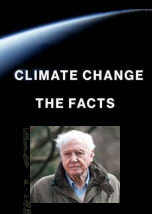
David Attenborough takes a stark look at the facts surrounding Climate Change in today's world, detailing the dangers we are already having to deal with and future threats, but also the possibilities for potential solutions to this global threat and the radical political, social and cultural changes needed. Interviews with some of the world’s leading climate scientists explore recent extreme weather conditions such as unprecedented storms and catastrophic wildfires. They also reveal what dangerous levels of climate change could mean for both human populations and the natural world in the future.
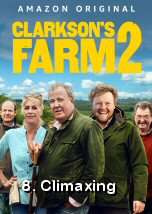
Jeremy's restaurant opens in a matter of days, but it's all on the QT. Jeremy does not want the council to find out until just before it opens. Which is why Jeremy and Kaleb are laying pipes for water and electrics across a field in the dead of night. Pepper the heifer is still very much alive and is enjoying the company of Break Heart Maestro a lot. Two days until Restaurant Opening Day, Jeremy informs the council and it's game on: Alan and his team of builders work at full throttle, Pip and her team of chefs do too, and the blend of excitement and panic is affecting everyone. The day itself arrives. Will the Diddly Squat Farm Restaurant sink or swim? Or will the council shut it down before the first steak hits the grill?
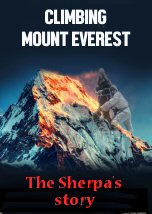
Every year, over a thousand climbers try to reach the summit of Mount Everest, with the annual record for successful attempts currently standing at 633. But of that number, nearly half were Sherpas - the mountain's unsung heroes. Yet the Sherpa community has remained secretive about their nation, culture and experiences living in the shadow of the world's highest mountain. Now, for the first time, they open the door into their world. Without the expertise of the Sherpas, only the hardiest and most skilful climbers would succeed. Every day they risk their lives for the safety of others, yet they seek neither glory nor reward, preferring to stay in the background. Following the stories of four such Sherpas - Phurba, Ngima, Ngima Tenji and Gelu - this film reveals the reality of their daily lives, not just up the mountain, but with their families after they return home.
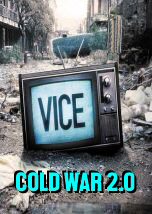
For 45 years, America was locked in the Cold War with the Soviet Union, and fear of global nuclear annihilation was constant. The end of the Cold War in 1991 was supposed to usher in a new era of peace and cooperation, but it didn’t last. Tensions between the U.S. and Russia have been simmering for years. And now, the conflict in Ukraine has pushed the relationship to the brink of full-blown crisis. VICE Founder Shane Smith met Kremlin officials and American leaders to figure out what’s really driving the new standoff between the powers, while correspondent Simon Ostrovsky reported from the front lines of the bloody war in Eastern Ukraine.
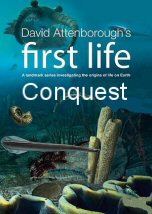
Attenborough's journey continues in Canada's Rocky Mountains, where fossils document an explosion in animal diversity never seen before or since. Travelling from there to North Africa, the rainforests of Australia and the east coast of Scotland, Attenborough discovers how animals evolved to conquer not only the oceans but also the land and air. These remote and fascinating creatures are brought to life as never before with the help of cutting-edge scientific technology and photorealistic visual effects. From the first large predators to the first legs on land, these were creatures that evolved the traits and tools that allow all animals, including ourselves, to survive to this day.
Fancisco Pizarro hoped to find great riches in the land of the Inca when he set off on his third voyage to the new world in 1527. Travel back in time with Michael Wood and learn how Pizarro ransomed the life of a king for a room full of gold and silver. Trough letter and drawings from the 16th century and film from modern-day south America, discover this remarkable story of greed, faith, dishonor and valor.











Interviews with some of the world’s leading climate scientists explore recent extreme weather conditions such as unprecedented storms and catastrophic wildfires. They also reveal what dangerous levels of climate change could mean for both human populations and the natural world in the future.