Autistic minds provide windows into how we all think, feel, and behave. A complete brain science should be able to account for all kinds of minds and brains. As long as some minds remain a mystery, so too will all minds. Michael Stevens travels to London to meet a blind, autistic savant with astonishing musical abilities, and volunteers to have his brain's function temporarily disrupted at UCLA's Neuromodulation Lab.
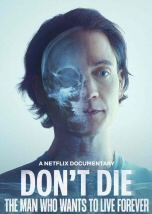
This compelling documentary delves into the life of Bryan Johnson, a wealthy entrepreneur determined to defy aging and achieve immortality. The film provides intimate access to Johnson's extreme wellness practices, including his $2 million annual investment in Project Blueprint, which encompasses over 100 daily supplements, strict dietary regimens, and experimental treatments like multi-generational plasma exchanges and gene therapy. The film not only showcases Johnson's relentless pursuit of youth but also examines the profound impact of his quest on his personal relationships and the ethical dilemmas surrounding radical life-extension efforts. Through expert interviews and candid footage, viewers are invited to contemplate the lengths one might go to challenge the natural aging process and the societal implications of such endeavors. Discover how magnate Bryan Johnson risks his body and fortune to defy aging and extend his life to unknown limits.
For centuries scientists have been attempting to come up with an elixir of youth. Now remarkable discoveries are suggesting that ageing is something flexible that can ultimately be manipulated. The scientists are attempting to piece together why we age and more vitally for all of us, what we can do to prevent it. But which theory will prevail? Does the real key to controlling how we age lie with a five-year-old boy with an extraordinary ageing disease or with a self-experimenting Harvard professor?
Could one of these breakthroughs really see our lives extend past 120 years?
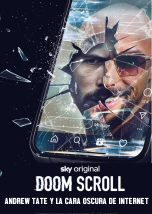
A gripping documentary that delves into the shadowy world of social media algorithms, revealing how they amplify harmful content and controversial figures like Andrew Tate. With exclusive interviews from his critics, supporters, and those who know him personally, the film exposes the shocking truth behind Tate's rise to infamy and influence. It asks a critical question: how does someone with such toxic, misogynistic views manage to captivate millions of young followers, despite facing charges of rape and human trafficking? This film goes beyond the surface of Tate’s controversial persona to uncover the disturbing power of social media platforms. By pulling back the curtain on the algorithms designed to promote extreme and inflammatory content for profit, it paints a chilling picture of the real-world consequences of online hate. A must-watch for anyone seeking to understand the dangerous intersection of internet culture and its impact on society.
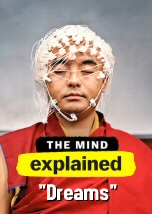
The second episode of the series looks at dreams and tries to explain what happens in the brain and body after we go to sleep. It looks at the significance of dreams and what dreams can teach us about ourselves. It talks to neuroscientists who discuss slow-wave sleep and REM (rapid eye movement) sleep during which dreams occur. It looks at the history of dream interpretation and its validity.
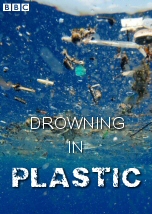
Our blue planet is facing one its biggest threats in human history. Trillions of pieces of plastic are choking the very lifeblood of our earth, and every marine animal, from the smallest plankton to the largest mammals, is being affected. But can we turn back this growing plastic tide before it is too late? Wildlife biologist Liz Bonnin visits scientists working at the cutting edge of plastics research. She works with some of the world's leading marine biologists and campaigners to discover the true dangers of plastic in our oceans and what it means for the future of all life on our planet, including us. Liz travels to a remote island off the coast of Australia that is the nesting site for a population of seabirds called flesh-footed shearwaters. Newly hatched chicks are unable to regurgitate effectively, so they are filling up on deadly plastic. She visits the Coral Triangle that stretches from Papua New Guinea to the Solomon Islands to find out more from top coral scientists trying to work out why plastic is so lethal to the reefs, fragile ecosystems that contain 25 per cent of all marine life.








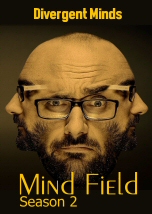




Michael Stevens travels to London to meet a blind, autistic savant with astonishing musical abilities, and volunteers to have his brain's function temporarily disrupted at UCLA's Neuromodulation Lab.