Sir David Attenborough reveals how Mammals have conquered the Earth, uncovering the secrets to their success with their winning design, incredible adaptability, unrivalled intelligence, and unique sociability. 66 million years ago, when the reign of the dinosaurs came to an end, mammals were set free to exploit every corner of the planet. Mammals reveals the strategies, behaviours and traits that lie behind the astonishing success of this remarkable group of animals. Above all, the series celebrates the amazing intelligence that enables mammals to learn, remember, problem-solve, parent, and co-operate. Experience the complete six-episode series in a single video, showcasing how mammals have adapted to thrive in every major environment on Earth. They inhabit every ocean and continent, from frozen wildernesses and dense jungles to baking deserts, the dark depths of the ocean, and even the skies above our forests.
It's not all about the pouches. These mammalian misfits are full of surprises, from flamboyant kangaroo showdowns to rattling koala mating calls. They might seem a bit bizarre but don't underestimate them. With unexpected superpowers and amazing adaptability, they have conquered a continent.
New Zealand - 850 years ago New Zealand was the last major land mass to be discovered and colonised by humans. A mere 850 years ago, Polynesian seafarers arrived in a land with no terrestrial mammals. New Zealand was a land of birds, and its avian rulers were giants: huge herbivorous moas were hunted by Haast's eagle - the largest eagle the world has ever seen. But within the space of only 100-400 years, the eagle, all the moas and over 20 other species of birds were gone. Had mankind become the monster?
The sixth episode of the series narrates the fascinating story of the evolution and survival of life on our planet after the catastrophic event that marked the end of the era of dinosaurs, 66 million years ago. Through a visually stunning journey, we will see the impact of the meteorite and all its consequences in detail. We will also discover how the animals and plants that survived the mass extinction adapted, evolved, and diversified to fill the ecological niches left by the dinosaurs. From the first mammals and birds that emerged from the ashes to dominate the Earth, to the formation of complex ecosystems in the oceans and on land, the documentary offers a unique vision of the resilience and innovation of life on our planet. With impressive imagery and exciting stories, it reveals how life, against all odds, thrived after one of the most devastating events in Earth's history. This documentary is a testament to the unbreakable strength of life and its ability to adapt and flourish even in the most adverse conditions.
The plant eaters take on the largely indigestible, spiny and poisonous defences of plants with some spectacular physical adaptations to diet. Plant Predators demonstrates the particular (and often peculiar) adaptations of herbivores
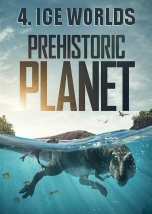
In the fourth episode, Dromaeosaurs stalk a hadrosaur herd as they cross a freezing river. Male Ornithomimus raid rival nests to bolster their own. Olorotitan raise their offspring on fertile volcanic fields but contend with biting mosquitoes. Troodontids hunt mammals flushed out by a forest fire. A juvenile Antarctopelta scours the forest for a new winter den. Within the snow-covered forest, a tense standoff develops between ancient rivals, Pachyrhinosaurus and Nanuqsaurus.























66 million years ago, when the reign of the dinosaurs came to an end, mammals were set free to exploit every corner of the planet. Mammals reveals the strategies, behaviours and traits that lie behind the astonishing success of this remarkable group of animals. Above all, the series celebrates the amazing intelligence that enables mammals to learn, remember, problem-solve, parent, and co-operate.
Experience the complete six-episode series in a single video, showcasing how mammals have adapted to thrive in every major environment on Earth. They inhabit every ocean and continent, from frozen wildernesses and dense jungles to baking deserts, the dark depths of the ocean, and even the skies above our forests.