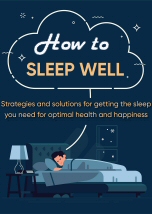
A third of the population regularly struggle with our sleep, which rose to one in two during the pandemic - the highest it's ever been. However, as more and more people seek help, an explosion in sleep science is enabling the study of sleep in ways not possible before. What's more, recent breakthroughs are uncovering what's happening in our brains and bodies while we're asleep, getting us closer than ever to understanding the importance of sleep for our health. Michael Mosley shows why cutting our sleep short can be linked to a host of illnesses, including serious diseases like Alzheimer's. Revealing the very latest science breakthroughs and packed with personal anecdotes, this programme is a useful guide to anyone looking for tips and insights on how to get the benefits from learning how to sleep well.
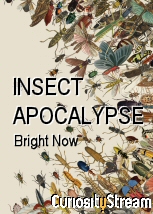
An alarming decline in insect populations could devastate all life on earth. What's causing it, and can anything be done to stop it? Insects are disappearing across the world. If we lost our pollinators, we would lose 80 to 90% of the plants on the planet. That is not an option. It's the ecosystems on this planet that keep humans alive. Scientists warn us that the insect apocalypse is entirely possible.
This five-part documentary series follows young adults on the autism spectrum as they explore the unpredictable world of love, dating and relationships. Most people on the spectrum have the same desire for intimacy and companionship as the rest of the population, yet difficulties in social interaction and communication are a key feature of autism, which makes finding a partner an often daunting and difficult experience. Many haven’t been on a date, ever. 'Love on the Spectrum' follows seven singles as they take their first steps into the world of dating and also couples who have found their match. In the first episode, Michael is determined to find a wife but has never been on a date. He attends a singles dinner and finds a connection. Chloe hopes to find someone who will see beyond her disabilities. Ruth and Thomas celebrate a special anniversary.
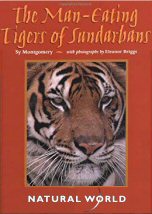
The Sundarbans mangrove forest, in Bangladesh near the Indian border, is a tidal jungle where Ganges and Brahmaputra enter the Indian Ocean. Its has some 400 Bengal tigers - the largest population in the world, and the only to be hardly scared of men. The downside is tigers kill up the 50 Bangladeshis a year, even from neighbouring villages, so keeping them inside the reserve is key to long-term survival. A recent project tries to train local mongrels, not pets but fiercely self-reliant dogs, to spot and even scare off tigers from villages. An individual tiger can turn into a man-eater in order to survive - this process may occur due to an injury or old age (and so cannot hunt agile prey) or even accidentally tasting human flesh.
As media outlets become increasingly polarised, and as social media rules information feeds, where does propaganda come into play? This documentary demystifies the predominant methods of persuasion employed by those seeking power, analysing the present day and contextualising it by looking back at periods when propaganda defined nations and kept populations in check.
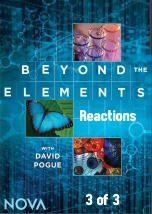
Just about every solid, liquid, or gas in the world as we know it begins with reactions between individual atoms and molecules. Host David Pogue dives into the transformative world of chemical reactions, from the complex formula that produces cement to the single reaction that’s allowed farmers to feed a global population by the billions.



















Revealing the very latest science breakthroughs and packed with personal anecdotes, this programme is a useful guide to anyone looking for tips and insights on how to get the benefits from learning how to sleep well.