The last episode of the series showcases Africa, home to the greatest wildlife gatherings on earth and vast ecosystems. It delves into the lives of intelligent chimpanzees using tools in Ivory Coast, and the diverse cichlid fish in the Great Rift Valley's lakes. The film also explores the survival strategies of animals in the Namib Desert, including the brown hyena and the aardvark. But even in this land of plenty, wildlife faces huge challenges. Crucially, it is addressed the impact of climate change and human activities, highlighting the plight of endangered species like the northern white rhinoceros and the decreasing populations of elephants and cheetahs due to poaching. However, it also offers hope, illustrating successful conservation efforts like the recovery of the mountain gorilla population in Virunga National Park. The documentary is a vivid reminder of the richness of African wildlife and the urgent need for conservation efforts to preserve our planet's biodiversity.
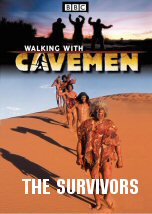
Nearly half a million years ago, the most advanced human yet roams Europe. Strong and powerful, Homo heidelbergensis are fierce hunters, use sophisticated tools and live in close-knit family groups. Over 200,000 years they become split into two populations by extremes of weather and environment and evolve separately into two very different species. In the North are the Neanderthals, whose physical power and resilience is the key to surviving in ice age Northern Europe. About 140,000 years ago, Africa is in the grip of a devastating drought, and something remarkable has happened to the descendants of heidelbergensis who live there. The combination of environment and chance has bred in them a unique ability that will change the course of human history. It will be this small band of southern survivors, perhaps numbering just a few tens of thousands, who will come to dominate the world and be known as Homo sapiens.
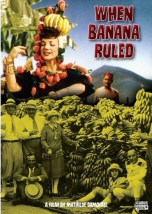
The saga of a handful of conquerors who built an empire in Central America and invented the methods of one of the very first multinationals. In 19th century Central America, a few entrepreneurial cowboys built an empire that enslaved populations and corrupted governments for over 100 years. The United Fruit Company thrived on unregulated capitalism; this film tells its story and that of its pioneers who feared neither God nor Man, and managed to get away with murder. Until the 1970s, that multinational set up a monopoly by combining violence, repression, corruption, environmental destruction and a formidable marketing machine. It turned an unknown fruit into an instrument of fortune and domination, and created a business model still largely used by today’s tech giants. Using a rich trove of archival footage and documents, including letters to and from lobbyists, telegrams, vintage ads and movie clips, and gorgeous, hand-tinted stills, 'When Banana Ruled' is a story of intrigue that touches on economics, international politics, the history of business and reveals how an array of forces conquered the world through a simple fruit.
Zeitgeist was created as a non-profit filmic expression to inspire people to start looking at the world from a more critical perspective and to understand that very often things are not what the population at large think they are. The film gathers information from many sources and puts it together in a way that shows it is possible for people to be manipulated by large institutions, governments and economic powers.













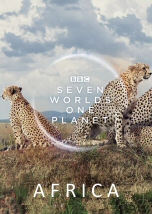







But even in this land of plenty, wildlife faces huge challenges. Crucially, it is addressed the impact of climate change and human activities, highlighting the plight of endangered species like the northern white rhinoceros and the decreasing populations of elephants and cheetahs due to poaching. However, it also offers hope, illustrating successful conservation efforts like the recovery of the mountain gorilla population in Virunga National Park.
The documentary is a vivid reminder of the richness of African wildlife and the urgent need for conservation efforts to preserve our planet's biodiversity.