Explore the science of attraction, the evolution of reproductive health, and the cultural taboos that shape our most private experiences. This illuminating series unpacks how desire begins in the brain, how birth control has transformed society, and why sex remains one of humanity’s most captivating mysteries. The first three episodes reveal how most sexual fantasies can be traced back to just a few provocative themes, and delve into the surprising science behind why we’re irresistibly drawn to certain types of partners. You’ll also discover the hidden factors that spark desire, and follow the long, often frustrating quest to control reproduction—from ancient herbal remedies to modern pills and IUDs—and why birth control remains such a complicated challenge even today.
In Episodes 4 and 5, you can see how the most universal human desire—to bring new life into the world—collides with science, culture, and the limits of our own biology. From groundbreaking fertility treatments that promise hope to countless families, to the hidden struggles behind why so many people still can’t conceive, these episodes reveal the fascinating and often heartbreaking reality of reproduction today. You’ll also witness the raw, unfiltered experience of itself: the intense pain, the unexpected complications, and the inspiring ways doctors and parents try to make this incredible ordeal safer and more humane.
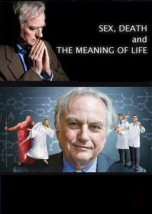
Richard Dawkins explores what science can tell us about death. It's a journey that takes him from Hindu funeral pyres in India to genetics labs in New York.Dawkins brings together the latest neuroscience, evolutionary and genetic theory to examine why we crave life after death, why we evolved to age and how the human genome is something like real immortality - traits inherited from our distant ancestors that we pass on to future generations.
The sun gives us warmth and light. It is the fuel of life. Without the energy of the sun almost nothing grows, thrives or lives. But the sun was not put there for our benefit. It is not this big jolly ball of nice smiling down on us, wishing us all a good day. It is not our friend. The sun is a monster. A planet killer. And we don't see that side of the sun down here. But eight astronauts, with over 1,000 days in space between them, can show us how being up there helped them understand the suns bright fury.
Launched in 1982 by three friends in a Houston diner, Compaq Computer set out to build a portable PC to take on IBM, the world's most powerful tech company. Many had tried cloning the industry leader's code, only to be trounced by IBM and its high-priced lawyers. 'Silicon Cowboys' explores the remarkable David vs. Goliath story, and eventual demise, of Compaq, an unlikely upstart who altered the future of computing and helped shape the world as we know it today. Directed by Oscar (R)-nominated director Jason Cohen, the film offers a fresh look at the explosive rise of the 1980's PC industry and is a refreshing alternative to the familiar narratives of Jobs, Gates, and Zuckerberg.
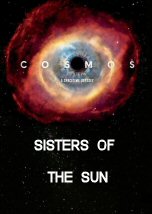
The constellation of the Pleiades provides a vehicle for us to explore a series of paradoxes and epochal discoveries for humanity. The untold story of the modern "sisters of the sun," the early 20th century female astronomers, led by two deaf women, at Harvard who catalogued the stars. It's also the story of the young British woman who joined forces with them, her defiance of the world's leading expert, and how she taught the world what the stars are really made of.



















The first three episodes reveal how most sexual fantasies can be traced back to just a few provocative themes, and delve into the surprising science behind why we’re irresistibly drawn to certain types of partners. You’ll also discover the hidden factors that spark desire, and follow the long, often frustrating quest to control reproduction—from ancient herbal remedies to modern pills and IUDs—and why birth control remains such a complicated challenge even today.