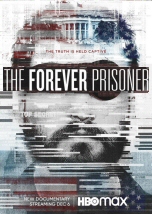
The film follows the story of Abu Zubaydah, the first high-value detainee subjected to the CIA's program, of Enhanced Interrogation Techniques (EITs), later identified as torture by those outside the agency. Having never been charged with a crime or allowed to challenge his detention, Zubaydah remains imprisoned at Guantánamo Bay in Kafkaesque limbo, in direct contravention of America’s own ideals of justice and due process. Twenty years on, The Forever Prisoner reveals the origins of the clandestine operations that led the United States, in the 'War on Terror,' on a path of cruelty, deceit, and self-deception. With first-hand accounts from the two interrogators to question Abu Zubaydah, a shocking interview with the chief architect of EITs, and an interview with Daniel Jones, former Senate Investigator, the film uncovers the incompetent and deceptive practices that the U.S. government followed in order to expedite and legalize EITs in the aftermath of 9/11. As a result, torture as a government policy was authorized by the United States for the first time in history.
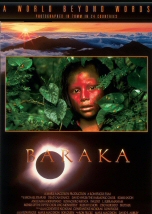
Without words, Ron Fricke shows us the world, with an emphasis not on 'where,' but on 'what's there.' It begins with morning, natural landscapes and people at prayer: volcanoes, water falls, veldts, and forests; several hundred Balinese Hindu men perform kecak, the monkey chant. Indigenous peoples apply body paint; whole villages dance. The film moves to destruction of nature via logging, blasting, and strip mining. Images of poverty, rapid urban life, and factories give way to war, concentration camps, and mass graves. Ancient ruins come into view, and then a sacred river where pilgrims bathe and funeral pyres burn. Prayer and nature return. A monk rings a huge bell; stars wheel across the sky. (Click CC for places description)
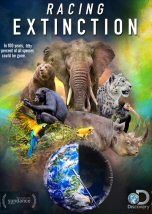
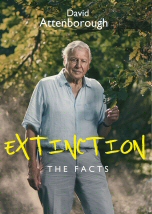
With a million species at risk of extinction, Sir David Attenborough explores how this crisis of biodiversity has consequences for us all, threatening food and water security, undermining our ability to control our climate and even putting us at greater risk of pandemic diseases. Everything in the natural world is connected in networks that support the whole of life on earth, and we are losing many of the benefits that nature provides to us. The loss of insects is threatening the pollination of crops, while the loss of biodiversity in the soil also threatens plants growth. Last year, a UN report identified the key drivers of biodiversity loss, including overfishing, climate change and pollution. But the single biggest driver of biodiversity loss is the destruction of natural habitats. Seventy-five per cent of Earth's land surface (where not covered by ice) has been changed by humans, much of it for agriculture, and as consumers we may unwittingly be contributing towards the loss of species through what we buy in the supermarket. Human activities like the trade in animals and the destruction of habitats drive the emergence of diseases. Disease ecologists believe that if we continue on this pathway, this year’s pandemic will not be a one-off event.
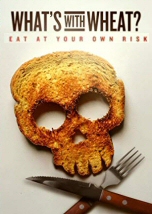
Our wheat has changed dramatically, it doesn't even resemble what it used to look like. Not only are we seeing more wheat and gluten sensitivity, there is also a strong connection between gluten and autoimmune diseases. Tens of thousands of people are suffering with ill health and don't realise it's a result of the food choices they are making. Some assume it is part of their genetic make-up or the body changing as they get older. People need to become educated, knowledgeable and aware. They need to start making changes to improve the health of their children and future generations.
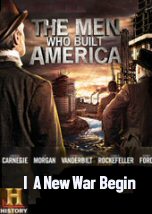
This series shines a spotlight on the influential builders, dreamers and believers whose feats transformed the United States, a nation decaying from the inside after the Civil War, into the greatest economic and technological superpower the world had ever seen. The Men Who Built America is the story of a nation at the crossroads and of the people who catapulted it to prosperity. In the first episode, Cornelius Vanderbilt grows from a steamboat entrepreneur to the head of a railroad empire, and gets into a heated rivalry with Jim Fisk and Jay Gould; the up and coming John D. Rockefeller founds Standard Oil. Many business owners lay their own rail lines which leads to the Panic of 1873. Later, Rockefeller starts to expand his wealth by diverting his business from the railroads to a new innovation, oil pipelines.
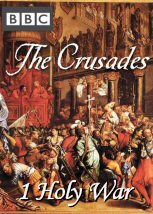
Dr. Thomas Asbridge introduces the epic story of the Crusades – a tale of religious fanaticism and unspeakable brutality, of medieval knights and Jihadi warriors; of castles and kings; of heroism, betrayal, and sacrifice. He explains how, using fresh evidence, eye-witness testimonies and contemporary accounts – from both the Christian and Islamic worlds – we are able to re-examine this epic medieval drama, and how he has retraced the steps of the Crusaders from a small town in France to the magnificent cities of the Holy Land, bringing to life the human experience of the Crusades, and shedding new light on how it was that two of the world’s great religions waged war in the name of God.




Twenty years on, The Forever Prisoner reveals the origins of the clandestine operations that led the United States, in the 'War on Terror,' on a path of cruelty, deceit, and self-deception. With first-hand accounts from the two interrogators to question Abu Zubaydah, a shocking interview with the chief architect of EITs, and an interview with Daniel Jones, former Senate Investigator, the film uncovers the incompetent and deceptive practices that the U.S. government followed in order to expedite and legalize EITs in the aftermath of 9/11. As a result, torture as a government policy was authorized by the United States for the first time in history.