The last episode of the series showcases Africa, home to the greatest wildlife gatherings on earth and vast ecosystems. It delves into the lives of intelligent chimpanzees using tools in Ivory Coast, and the diverse cichlid fish in the Great Rift Valley's lakes. The film also explores the survival strategies of animals in the Namib Desert, including the brown hyena and the aardvark. But even in this land of plenty, wildlife faces huge challenges. Crucially, it is addressed the impact of climate change and human activities, highlighting the plight of endangered species like the northern white rhinoceros and the decreasing populations of elephants and cheetahs due to poaching. However, it also offers hope, illustrating successful conservation efforts like the recovery of the mountain gorilla population in Virunga National Park. The documentary is a vivid reminder of the richness of African wildlife and the urgent need for conservation efforts to preserve our planet's biodiversity.
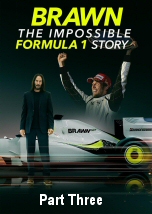
The third part of the series begins with the excitement of Button's initial victories, highlighting his talent and skill on the tracks. However, as the season progresses, the focus shifts to the growing tension between Button and Barrichello. This tension is fueled by the internal struggle for leadership in the team and the drivers' championship. These rivalries affect performance on the track. Another key point is the management of the Brawn GP team, facing financial and technical challenges while seeking to maintain its competitive edge against rivals like Red Bull and McLaren. We discover the psychological aspect of racing, showing how the pressure of the championship affects Button, leading him to make mistakes and question his abilities. At the same time, Barrichello's resurgence is observed, showing determination and experience to take advantage of his opportunities. Finally, the evolution of the Brawn GP team is addressed, from its triumphs to moments of uncertainty, culminating in a season that is both a success story and a testimony to the unpredictable nature of Formula 1.
This film, which spans all three episodes of the series, is a riveting documentary that traces the incredible journey of Volodymyr Zelensky, from comedian to wartime president. Director Michael Waldman expertly weaves interviews, political milestones, and footage of Zelensky's rise to fame in the Ukrainian entertainment industry. From his portrayal of a fictional president in Servant of the People to becoming a real-life leader facing the full-scale Russian invasion, the documentary highlights Zelensky's determination, charisma, and humanity. The film captures the profound contrast between Zelensky and Russian president Vladimir Putin, portraying their intertwined destinies as a battle between light and darkness. With compelling interviews from Zelensky, his wife Olena, and colleagues, it reveals the personal and political struggles that shaped his leadership. This documentary is a must-see, offering a deep, cinematic portrait of a man thrust into the role of a global hero.
Michelle McNamara reflects on the 1984 murder of her childhood neighbour Kathy Lombardo, which she credits with planting the seed for her lifelong fascination with unsolved crimes. Michelle really wanted this child and wished to get her murderer caught. The story of the victims has to be told.
A bistro is typically defined by its modesty – they are relatively small, affordable and humble. The bistro has become rather ubiquitous these days but despite its many incarnations, at its core, a bistro is a place where every man can eat, and eat well. With Petit Trois, Ludo Lefebvre has brought the spirit of the bistro to Los Angeles. In this episode, Ludo brings us back to Paris to introduce us to some of the people and places that first inspired him to begin a culinary career.



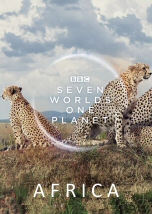







But even in this land of plenty, wildlife faces huge challenges. Crucially, it is addressed the impact of climate change and human activities, highlighting the plight of endangered species like the northern white rhinoceros and the decreasing populations of elephants and cheetahs due to poaching. However, it also offers hope, illustrating successful conservation efforts like the recovery of the mountain gorilla population in Virunga National Park.
The documentary is a vivid reminder of the richness of African wildlife and the urgent need for conservation efforts to preserve our planet's biodiversity.