Professor Brian Cox tackles some of the most challenging and intriguing questions facing science. He looks back on a decade of discovery and towards the next space frontier. Brian believes we are at the start of a new age of space travel, where space flight is on the verge of becoming routine. In this episode, he explores the latest science and takes a new look at his old films and asks: how far can we go in our exploration of the cosmos?
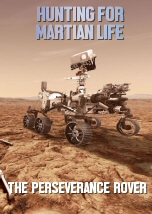
Meet Perseverance, NASA's latest rover, as it heads to Mars to answer one question: did life exist on the red planet? On the way, it will lay the foundation for human exploration of our closest neighbour. Today, Mars is hostile to life. It's too cold for water to stay liquid on the surface, and the thin atmosphere lets through high levels of radiation, potentially sterilizing the upper part of the soil. But it wasn't always like this. Some 3.5 billion years ago or more, water was flowing on the surface. It carved channels still visible today and pooled in impact craters. A thicker carbon dioxide atmosphere would have blocked more of the harmful radiation. The Mars 2020/Perseverance rover is designed to better understand the geology of Mars and seek signs of ancient life. The mission will collect and store a set of rock and soil samples that could be returned to Earth in the future. It will also test new technology to benefit future robotic and human exploration of Mars, as the Ingenuity Helicopter.
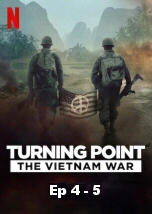
In Episodes 4 and 5, the war reaches a brutal turning point. As the Tet Offensive erupts, Hunter embeds with American and South Vietnamese troops caught completely off guard. What unfolds is raw, unfiltered chaos—urban combat in shattered cities, desperate ambushes in the jungle, and a shocking realization that the war is far from over. Through Hunter’s lens, we see not just the front lines, but the crumbling morale, the divided home front, and the faces of those questioning what they’re fighting for. These episodes pull you straight into the eye of the conflict—and what you’ll witness will stay with you forever.
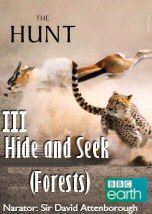
The third episode follows tigers, harpy eagles, chimpanzees, army ants and other predators as they rise to the challenge of hunting within the forest - a dense, confusing, three-dimensional world, one in which even finding prey is a maddening task. The prize for succeeding at nature's great game of hide-and-seek is one worth winning. Forests cover one third of the land surface, and concealed within are over half of the species on Earth.
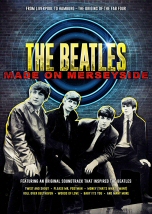
They defined music and popular culture like no other band ever will - but how did The Beatles make the journey from Merseyside teenagers to international pop stars in the 1960s? Made on Merseyside - The Beatles discovers how American rock 'n' roll and rhythm and blues dragged post-war Liverpool into one of the most vibrant music cities ever with the Mersey Sound. Featuring revealing interviews from those involved in the early years of The Beatles in Liverpool and Hamburg and unique archive, the incredible story of The Beatles' previous band formations and why it took so long for them to achieve success makes riveting viewing. From school bands, to colleges; Hamburg to The Cavern Club, The Beatles changed the world of pop music forever, but was Pete Best's sacking from the band and Ringo's replacement the final part of the jigsaw?
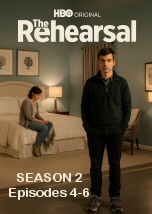
In the final arc of the season, Nathan Fielder pushes the boundaries of simulated reality to a disturbing new level. What begins as a controlled exercise in human rehearsal quickly unravels, as the participants lose sight of where the performance ends and real life begins. Nathan’s interventions grow increasingly invasive, blurring the lines between creator and subject, until the emotional weight of the experiment turns on him. With each scene, the series peels back another layer of reality, revealing unsettling truths about identity, manipulation, and control. By the final episode, the line between authenticity and artifice collapses—leaving viewers questioning everything they’ve witnessed.


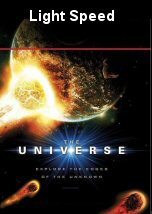






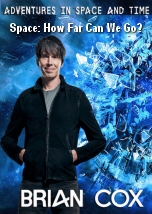

Brian believes we are at the start of a new age of space travel, where space flight is on the verge of becoming routine. In this episode, he explores the latest science and takes a new look at his old films and asks: how far can we go in our exploration of the cosmos?