Global superstar Jennifer Lopez reflects on her multifaceted career and the pressure of life in the spotlight in this intimate film. The documentary also unveils the characteristics that make the superstar the figure she is: from her performances on stages around the world, to her halftime show at the 2020 Super Bowl, one of the most controversial performances in the history of this show. It also addresses how the international superstar, who has inspired people for decades with her perseverance, creative brilliance and cultural contributions, takes the reins of her career, using her voice for a greater purpose. Jennifer Lopez exposes her insecurities, the pressures the media has placed on her career and the effect paparazzi and tabloids have on the life of a star.
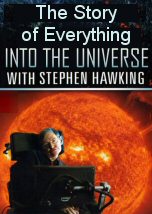
In less than two eye-popping hours, Stephen Hawking reveals the wonders of the cosmos to a new generation. Delve into the mind of the world's most famous living scientist and reveal the splendor and majesty of the universe as never seen before. See how the universe began, how it creates stars, black holes and life -- and how everything will end.
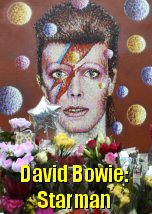
A celebration of the career of the musician, whose death from cancer was announced 11th Jan 2016. Bowie's work was the soundtrack to a generation and influenced countless musicians and this features memorable music videos and performances, as well as tributes from friends and fans around the world". Singer, songwriter, multi-instrumentalist, record producer, painter, and actor. He was a figure in popular music for over five decades, and was considered by critics and other musicians as an innovator, particularly for his work in the 1970s. Bowie's impact was enormous; he changed the nature of rock music, and changed his own approach repeatedly. During his career, he sold an estimated 140 million records worldwide. In the UK, he was awarded nine platinum album certifications, eleven gold and eight silver, and in the US received five platinum and seven gold certifications. He was inducted into the Rock and Roll Hall of Fame in 1996. Bowie stopped concert touring after 2004, and last performed live at a charity event in 2006. In 2013, he returned from a decade-long recording hiatus, remaining musically active until his death from liver cancer three years later.
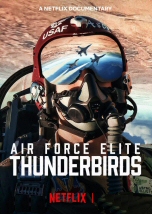
Strap into the cockpit and experience the breathtaking speed, discipline, and danger faced by the most elite pilots in the U.S. Air Force. This thrilling documentary takes you behind the scenes with the Thunderbirds as they prepare for their most demanding season yet. From intense training sessions to high-stakes airshows, witness the grit, sacrifice, and precision that define these sky warriors. With never-before-seen aerial footage and exclusive interviews, it's not just about flying—it's about pushing human limits.
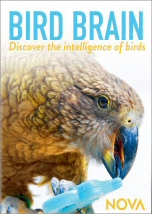
In the past few decades, scientists have learned that the basis of everything they thought they knew about bird brains—that they were largely comprised of the most primitive and instinctual of brain structures—was wrong. Fully 75 percent of the brains of parrots and thousands of other species of birds is actually made up of a sophisticated information processing system that works much the same way as the locus of human higher-mindedness, the cerebral cortex. The film shows scientists putting birds to the test. Can they solve problems? Can they cooperate? Do they feel emotion? New research demonstrates just how clever they can be.
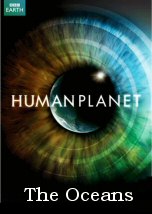
Human Planet is a majestic portrait of humankind and the power of nature in extraordinary symbiosis, struggle and strife. For the first time, the camera has turned on ourselves. In doing so, we see how amazing human beings can be and how we adapt to any habitat, anywhere. Human Planet is epic in ambition, extreme in content, intimate in effect. It explores how we have devised ways of surviving in every corner of Earth – from the remotest deserts to the busiest urban metropolis. Each episode focuses on an iconic environment and reveals how we have adapted to the challenges of the landscape and the endless diversity of animals and plants we live with. Discover how our remarkable intelligence, tool use, and close-knit social lives have enabled us to cope with just about anything nature can throw at us". As an air-breathing animal, the human is not built to survive in water. But people have found ways to live an almost aquatic life so they can exploit the sea's riches. From a 'shark-whisperer' in the Pacific to Brazilian fishermen collaborating with dolphins to catch mullet, this journey into the blue reveals astonishing tales of ingenuity and bravery. Daredevil Galician barnacle-collectors defy death on the rocks for a catch worth 200 pounds per kilo. In Indonesia an epic whale-hunt, using traditional hand-made boats and harpoons, brings in a sperm whale. The Bajau 'sea gypsies' of the Sulu Sea spend so much time on water they get 'land sick' when they set foot on the land! We dive 40 metres down to the dangerous world of the Pa-aling fishermen, where dozens of young men, breathing air through a tangled web of pipes attached to a diesel engine, capture thousands of fish in a vast net. We see how surfing has its origins in the ancient beliefs of the ocean-loving Polynesians, and we join a Borneo free-diving spear-fisherman on a breath-taking journey 20 metres down in search of supper.











It also addresses how the international superstar, who has inspired people for decades with her perseverance, creative brilliance and cultural contributions, takes the reins of her career, using her voice for a greater purpose. Jennifer Lopez exposes her insecurities, the pressures the media has placed on her career and the effect paparazzi and tabloids have on the life of a star.