







Last Watched

What is One Degree

   2011    Science
Comedian Ben Miller returns to his roots as a physicist to try to answer a deceptively simple question: what is one degree of temperature? His quest takes him to the frontiers of current science as he meets researchers working on the hottest and coldest temperatures in the universe, and to a lab where he experiences some of the strangest effects of quantum physics - a place where super-cooled liquids simply pass through solid glass. Plus, Ben installs his very own Met office weather station at home. Ben's investigations in this personal and passionate film highlight the importance of measurement and accuracy in the 21st century.


Vegan 2020

   2020    Culture
The film covers the ever growing vegan movement and how it's best for the animals, human health, and the planet. Every year Plant Based News puts together a highlight reel of vegan related events and developments. This has served as a great way to look back on the events of the year as we take a closer look at the effectiveness of the film as a whole.
Series: Vegan

Sex Explained Ep 4-5

   2020    Medicine
In Episodes 4 and 5, you can see how the most universal human desire—to bring new life into the world—collides with science, culture, and the limits of our own biology. From groundbreaking fertility treatments that promise hope to countless families, to the hidden struggles behind why so many people still can’t conceive, these episodes reveal the fascinating and often heartbreaking reality of reproduction today. You’ll also witness the raw, unfiltered experience of itself: the intense pain, the unexpected complications, and the inspiring ways doctors and parents try to make this incredible ordeal safer and more humane.
Series: Sex Explained

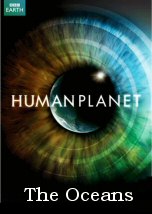
Human Planet: The Oceans

   2011    Culture
Human Planet is a majestic portrait of humankind and the power of nature in extraordinary symbiosis, struggle and strife. For the first time, the camera has turned on ourselves. In doing so, we see how amazing human beings can be and how we adapt to any habitat, anywhere. Human Planet is epic in ambition, extreme in content, intimate in effect. It explores how we have devised ways of surviving in every corner of Earth – from the remotest deserts to the busiest urban metropolis. Each episode focuses on an iconic environment and reveals how we have adapted to the challenges of the landscape and the endless diversity of animals and plants we live with. Discover how our remarkable intelligence, tool use, and close-knit social lives have enabled us to cope with just about anything nature can throw at us". As an air-breathing animal, the human is not built to survive in water. But people have found ways to live an almost aquatic life so they can exploit the sea's riches. From a 'shark-whisperer' in the Pacific to Brazilian fishermen collaborating with dolphins to catch mullet, this journey into the blue reveals astonishing tales of ingenuity and bravery. Daredevil Galician barnacle-collectors defy death on the rocks for a catch worth 200 pounds per kilo. In Indonesia an epic whale-hunt, using traditional hand-made boats and harpoons, brings in a sperm whale. The Bajau 'sea gypsies' of the Sulu Sea spend so much time on water they get 'land sick' when they set foot on the land! We dive 40 metres down to the dangerous world of the Pa-aling fishermen, where dozens of young men, breathing air through a tangled web of pipes attached to a diesel engine, capture thousands of fish in a vast net. We see how surfing has its origins in the ancient beliefs of the ocean-loving Polynesians, and we join a Borneo free-diving spear-fisherman on a breath-taking journey 20 metres down in search of supper.
Series: Human Planet

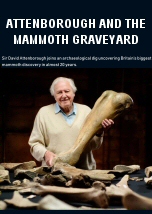
Attenborough and the Mammoth Graveyard

   2021    Science
David Attenborough joins an archaeological dig uncovering Britain’s biggest mammoth discovery in almost 20 years. In 2017, in a gravel quarry near Swindon, two amateur fossil hunters found an extraordinary cache of Ice Age mammoth remains and a stone hand-axe made by a Neanderthal. Professor Ben Garrod joins the team at DigVentures during the excavation as they try to discover why the mammoths were here and how they died. Could the Neanderthals have killed these Ice Age giants?

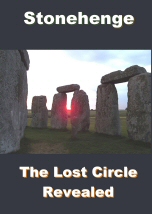
Stonehenge: The Lost Circle Revealed

   2021    History
Using cutting-edge research, a dedicated team of archaeologists has compiled the evidence to fill in a 400-year gap in man's knowledge of the bluestones of Stonehenge. By combining innovative 3D scanning techniques, traditional field archaeology and novel laboratory analysis, the team has discovered where the stones were quarried and where they first stood.
Professor Alice Roberts shows how the team made its discoveries and joins Professor Mike Parker Pearson to piece together the final parts of the puzzle, solving one of the toughest challenges ever faced by archaeologists.
Leaving Neverland

Leaving Neverland

2019  Culture
The Universe

The Universe

2007  Science
Cosmos: Possible Worlds

Cosmos: Possible Worlds

2020  Science
Life Story

Life Story

2014  Nature
Absolute Zero

Absolute Zero

2007  Technology
Reel Rock

Reel Rock

2014  Culture
History of the World

History of the World

2012  History