With more board configurations than there are atoms in the observable universe, the ancient Chinese game of 'Go' has long been considered a grand challenge for artificial intelligence. On March 9, 2016, the worlds of Go and AI collided in South Korea for an extraordinary best-of-five-game competition, coined the Google DeepMind Challenge Match. Hundreds of millions of people around the world watched as a legendary Go master took on an unproven AI challenger for the first time in history. AlphaGo chronicles a journey from the halls of Cambridge, through the backstreets of Bordeaux, past the coding terminals of DeepMind in London, and, ultimately, to the seven-day tournament in Seoul. As the drama unfolds, more questions emerge: What can artificial intelligence reveal about a 3000-year-old game? What can it teach us about human mind?
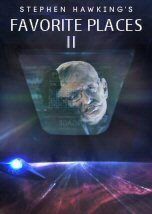
Commander Stephen Hawking takes another journey in his space ship, the SS Hawking, this time to Venus, the Sun and out to the Eagle Nebula...but things don't always go according to the flight plan...
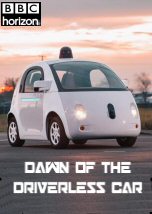
The car has shrunk the world, increased personal freedom and in so many ways expanded our horizons, but there is a flipside. Fumes from car exhausts have helped to destroy our environment, poisoned the air we breathe and killed us in far more straightforward ways. But all that is going to change. Enter a world where cars can drive themselves, a world where we are simply passengers, ferried about by wholesome green compassionate technology which will never ever go wrong. And it is almost here. Explore the artificial intelligence required to replace human drivers for cars themselves, peers into the future driverless world and discovers that, despite the glossy driverless PR (and assuming that they really can be made to work reliably), the reality is that it might not be all good news. From the ethics of driverless car crashes to the impact on jobs, it might be that cars are about to rise up against us in ways that none of us are expecting.
Andrew Callaghan embarks on a gripping RV journey through a tumultuous America, capturing the very essence of a nation on edge. Employing his distinctive gonzo style of reporting, Callaghan dives deep into the undercurrents leading up to the January 6 Capitol Riot. As 2020 sees COVID gripping the globe, nationwide protests, and a monumental election on the horizon, he navigates the chaos with nothing but a camera and a microphone, offering an unfiltered glimpse into the events, characters, and sentiments in the days leading up to the insurrection of the U.S. Capitol Building.
The film chronicles Allen's career - from teen writer to Sid Caesar's TV scribe, from stand-up comedian to award-winning writer-director averaging one film-per-year for more than 40 years. Exploring Allen's writing habits, casting, directing, and relationship with his actors first-hand, new interviews with A-listers, writing partners, family and friends provide insight and backstory to the usually inscrutable filmmaker.
Julian Richards recalls how, after years of raiding, England's resistance was so weakened that, in the early 11th century, the Vikings were finally able to seize the throne. In other parts of the British Isles however, they gained and maintained power by integration.






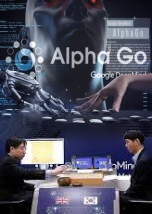



AlphaGo chronicles a journey from the halls of Cambridge, through the backstreets of Bordeaux, past the coding terminals of DeepMind in London, and, ultimately, to the seven-day tournament in Seoul. As the drama unfolds, more questions emerge: What can artificial intelligence reveal about a 3000-year-old game? What can it teach us about human mind?