The tale of one of China's most famous dynasties begins with the amazing story of Hongwu, a peasant rebel who founded one of greatest eras in Chinese history. The film takes us to his great capital Nanjing, with its 21 miles of walls, each brick stamped with the name of the village that made it. Following the trail, we go to the Bao family village and see the villagers act a Ming murder story. Like many authoritarian states, the Ming were obsessive about architecture. We see the giant fortifications of the Great Wall, the ritual enclaves of the Forbidden City in Beijing and travel with bargeman Mr Hu down the Grand Canal, China's great artery of commerce right up to the present day. We then hear about Admiral Zheng He's voyages to Africa and the Gulf decades before Columbus, watch the construction of an ocean-going wooden boat 250ft long, and hitch a ride on a replica Ming junk in the South China Sea. As state prosperity grew, so did a rising middle class. Wood looks at Ming culture in Suzhou, the 'Venice of China'. Staying in a merchant's house, he discovers the silk, ceramic and lacquer-making industries, and visits one of the most beautiful gardens in the city. Then on to Macao and the arrival of Jesuit missionary Matteo Ricci, who hoped to convert China to Christianity. In the cathedral in Beijing, we learn more about these fateful exchanges with the west. Finally in Shaoxing, we visit the house of the 'Ming Proust' and at grassroots the Zhao family in Fujian where the film ends in an elegiac mood with the fall of the Ming in 1644.
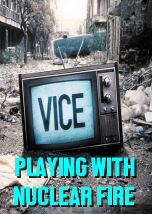
Playing with Nuclear Fire' - In March 2011, the Tohoku earthquake in Japan created a tsunami that killed some 16,000 people and crippled the Fukushima Daiichi nuclear power plant. In the aftermath, the government and TEPCO, the plant's operator, withheld information about the extent of the damage. Three years later, citizens and the international community are left wondering if Japan really does have the situation under control, as the government is insisting, or if the danger is far greater than anyone is willing to admit. 'No Man Left Behind' - It's estimated that over a quarter million vets from recent wars have sought treatment for PTSD. Despite these statistics, veterans often face an uphill battle to get treatment, receiving inadequate attention and, most dangerously, overprescribed narcotics and other pharmaceuticals. Ryan Duffy meets veterans struggling with mental illness and addiction.
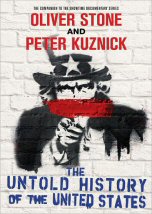
Directed, produced, and narrated by Oliver Stone. In this episode we will see how the equation changes: specific month-by-month causes of the Cold War emerge and it is not entirely clear who started it. Highlights include Churchill's Iron Curtain speech, the civil war in Greece and the Red Scare that prompts the rise of Joseph McCarthy, the House Un-American Activities Committee and the FBI.
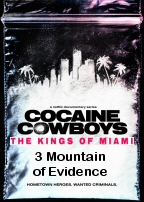
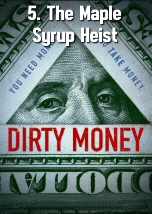
In Canada, maple syrup is worth more than oil. When $20 million of syrup goes missing, the trail leads back to an epic battle between cartels and the little guy.
After months of hard work Clarkson's farm arrives at a make or break moment; harvest time. 'It's always stunning on the farm, actually. Whatever the day, there's always something that's absolutely beautiful. The thing is, the show's now over, which is sad. But thank you very much for being so patient with me.'
Humanity is under threat - from storms that seem to get ever fiercer, earthquakes that seem ever more deadly, and killer viruses that are engulfing the globe. Some scientists think it's time for us to fight back. Can we - should we -hack the planet?





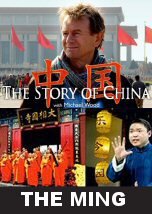




Like many authoritarian states, the Ming were obsessive about architecture. We see the giant fortifications of the Great Wall, the ritual enclaves of the Forbidden City in Beijing and travel with bargeman Mr Hu down the Grand Canal, China's great artery of commerce right up to the present day. We then hear about Admiral Zheng He's voyages to Africa and the Gulf decades before Columbus, watch the construction of an ocean-going wooden boat 250ft long, and hitch a ride on a replica Ming junk in the South China Sea.
As state prosperity grew, so did a rising middle class. Wood looks at Ming culture in Suzhou, the 'Venice of China'. Staying in a merchant's house, he discovers the silk, ceramic and lacquer-making industries, and visits one of the most beautiful gardens in the city. Then on to Macao and the arrival of Jesuit missionary Matteo Ricci, who hoped to convert China to Christianity. In the cathedral in Beijing, we learn more about these fateful exchanges with the west. Finally in Shaoxing, we visit the house of the 'Ming Proust' and at grassroots the Zhao family in Fujian where the film ends in an elegiac mood with the fall of the Ming in 1644.